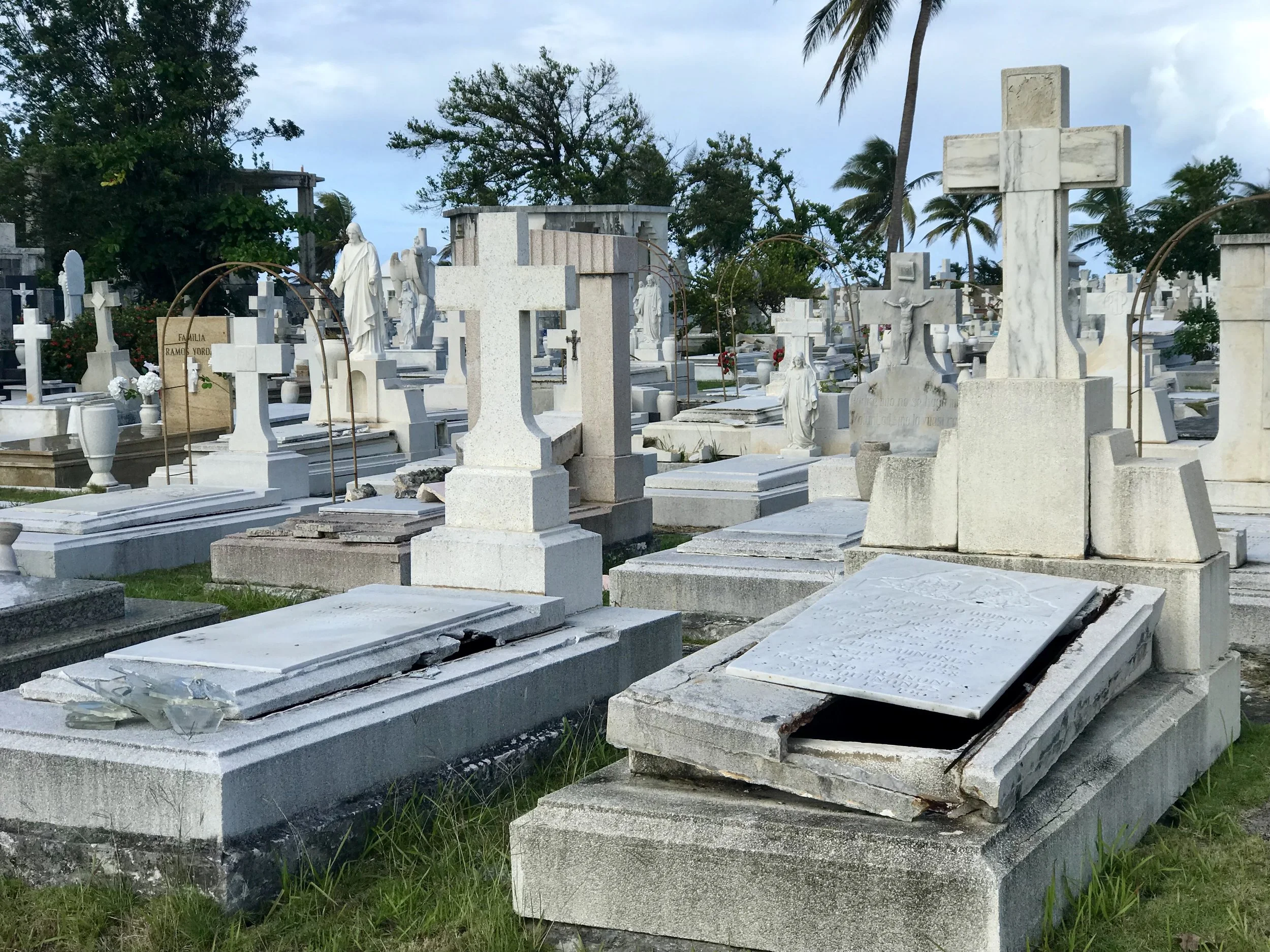
Love in the Time of Climate Change
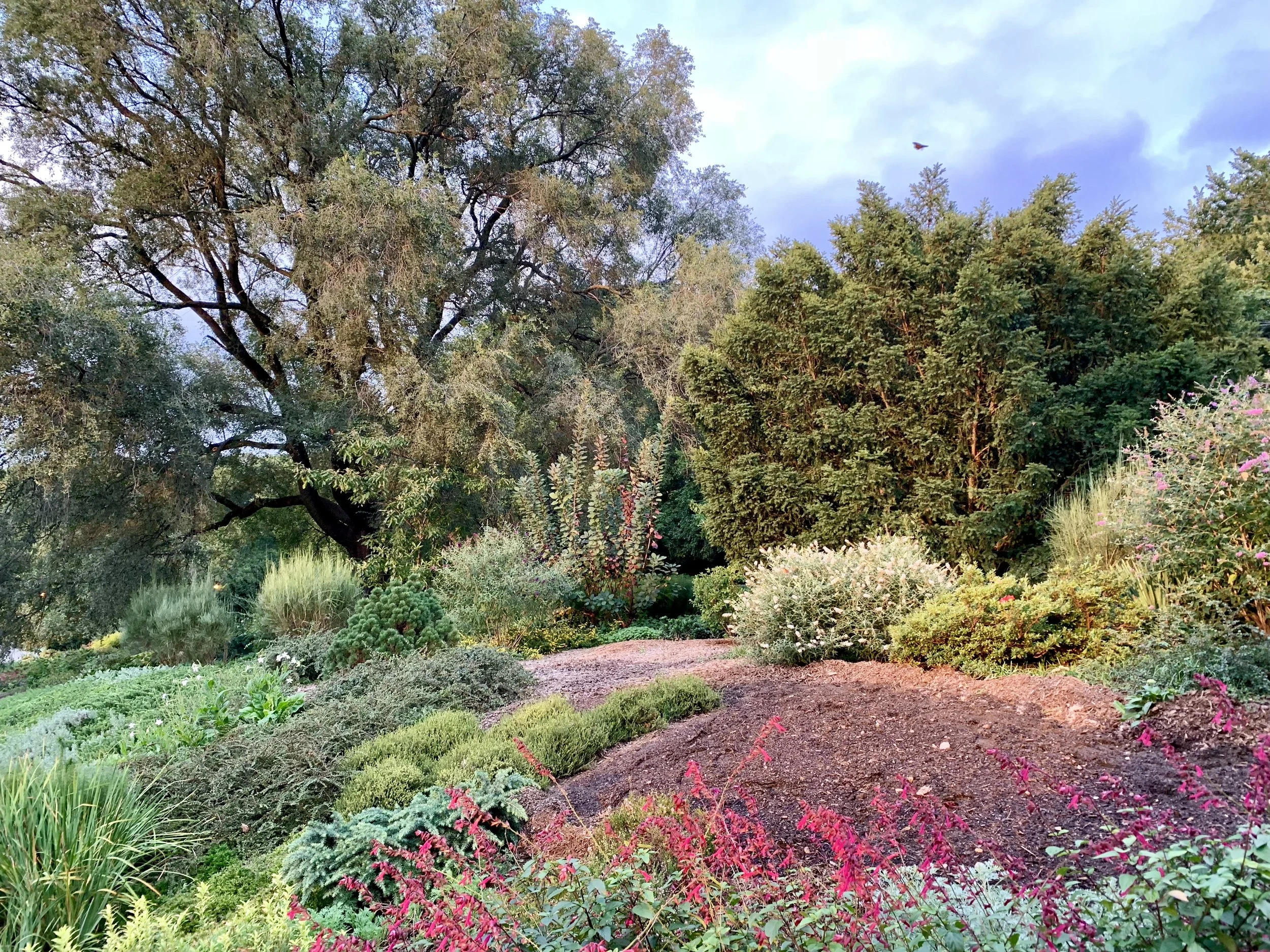
Fort Tryon Park in Manhattan, New York City.
Hello from New York City. It's been several months since I wrote my last blog post. I'm reminded of that often quoted aphorism, "life is what happens while you are making other plans."
You might recall that some months ago I intended to cycle a portion of the ACA Pacific Crest Route (an Adventure Cycling Association route that parallels the famous PCT through the Sierra Cascades and the Sierra Nevada from Canada to Mexico). My chosen section was Portland to San Francisco. I went back to Portland in early August, and managed to cycle as far as the lovely and alarmingly vulnerable-to-forest-fires town of Sisters, Oregon (about 140 miles north of Crater Lake).
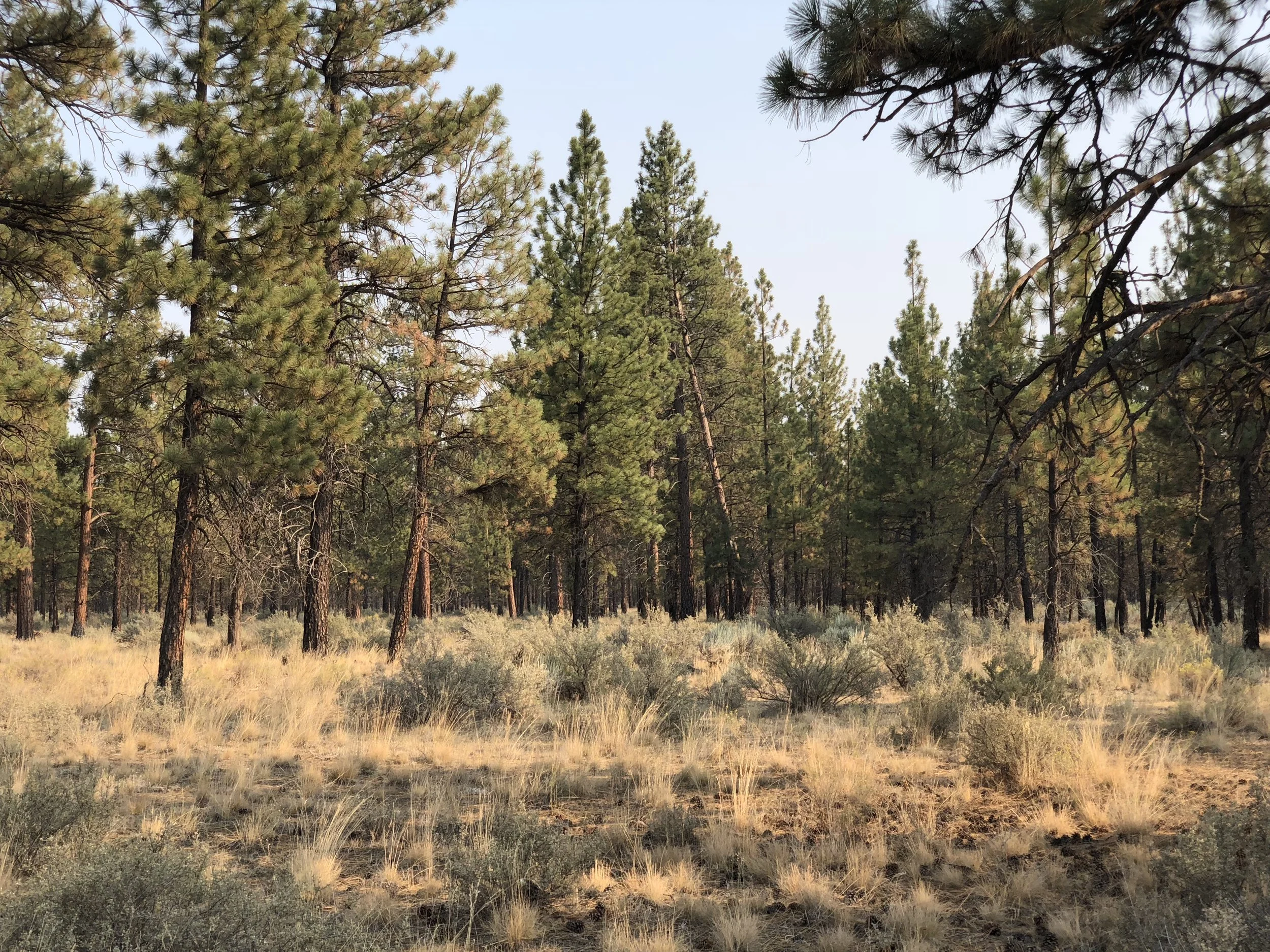
State Forest land about a mile north of Sisters, Oregon.
While there, my Mom was unexpectedly admitted to the hospital. After some conversations with my brother, I chose to abort the cycling trip to help my Mom transition out of the hospital. I spent most of the next month in Galesburg, Illinois (my hometown, btw).
I returned to Oregon in early October with a mind toward completing the cycling trip to the Bay Area where I planned to visit my Dad in Palo Alto. Yet, as fate would have it, I was simultaneously balancing a newly amorous relationship in Portland. Historically, I have remained pretty true to my cycling ambitions, but not so this time. I got more acquainted with Portland while I tried to get a bead on what I wanted, all the while feeling a strong pull to get to the Bay Area.
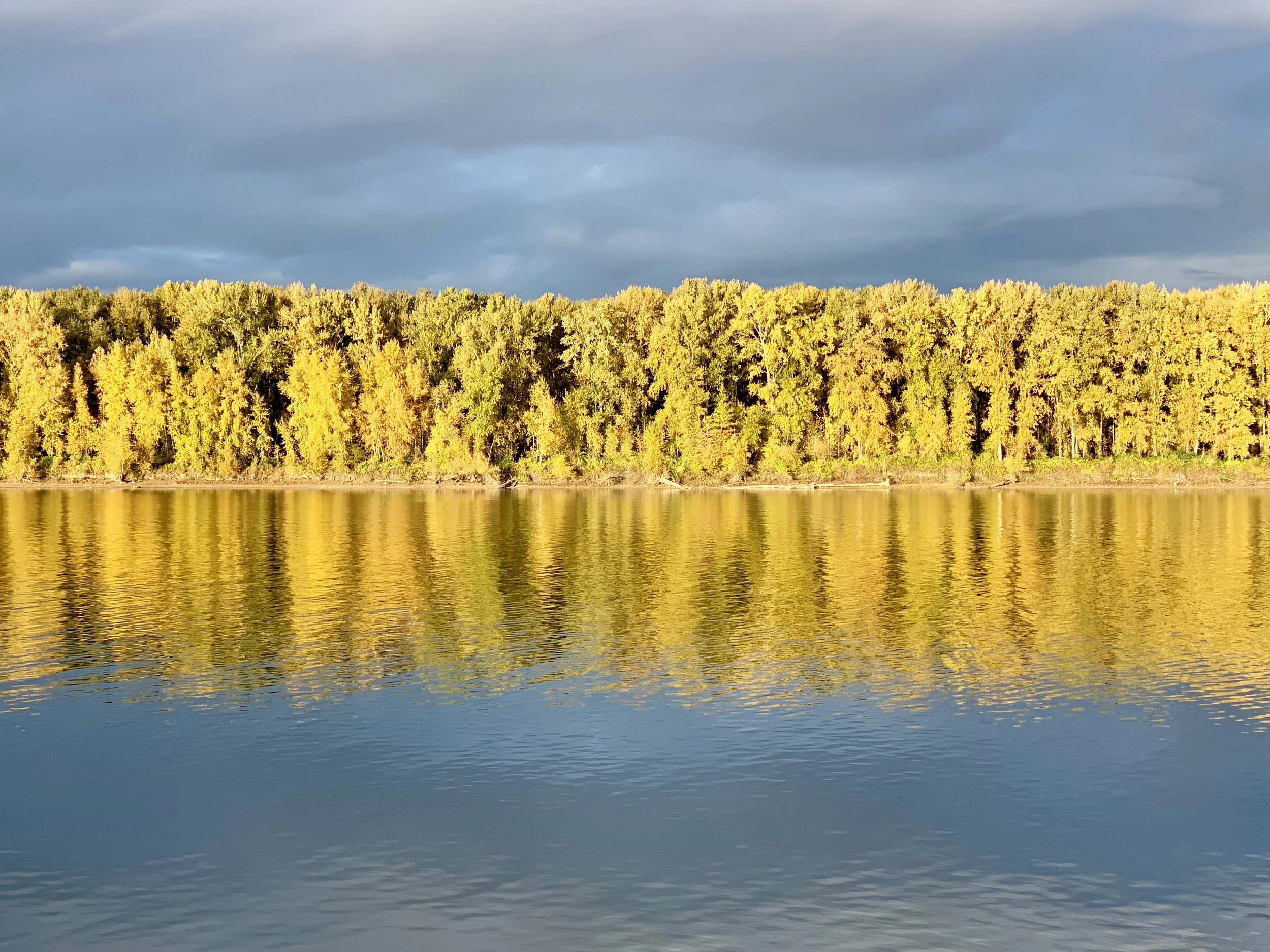
From my bike south of the Columbia River in Portland.
As someone in his late 60's, I am remarkably fortunate that both my parents are alive. At the same time, I live with the curse of American mobility (an odd comment coming from a long distance cyclist, no doubt). My family is scattered all over. My Dad and his wife live in Palo Alto, CA. My Mom lives in Galesburg, IL. I have a brother in DC, and another in Anaheim, CA. My kids and grandkids live in Milwaukee and Wausau, WI, about 4 hours apart. I live in New York City. Could my immediate family be any more spread out? This reality makes attending to elderly parents a complex and challenging process. And being a long distance cyclist both helps and hurts that responsibility.... it's great when I'm near, and worrisome when I'm not. At any given moment I'm both near and too far from someone I love, no matter where I am. But I have no right to complain. I have the good fortune to travel as I wish, as long as I am reasonably thoughtful about time and resources. My biggest problem is not being able to be in more than one place at a time, and I'm pretty sure there's no solution for that.
Alas, the romance in Portland didn't work out, so after a few weeks in limbo, I eventually packed up my bike and panniers, and hopped a train from Portland down to San Jose. You might be thinking, why not cycle there as planned? Well, here's my excuse - by that time it was mid October, and the rains had started in Oregon. And I was worried the weather would be inclement to the east and south in the Cascades and the Sierra.
It was, but not the way I imagined it. Although I would have preceded the fire, my route would have taken me along the Sierra crest above Paradise, CA. I had imagined snow. But given how the fall played out, I would more likely have encountered unseasonably dry and warm weather. If predicting weather is becoming increasingly complex for a long distance cyclist like me, what is it like for farmers, construction workers or so many others who make their living out of doors? Or homeowners in vulnerable areas, for that matter?
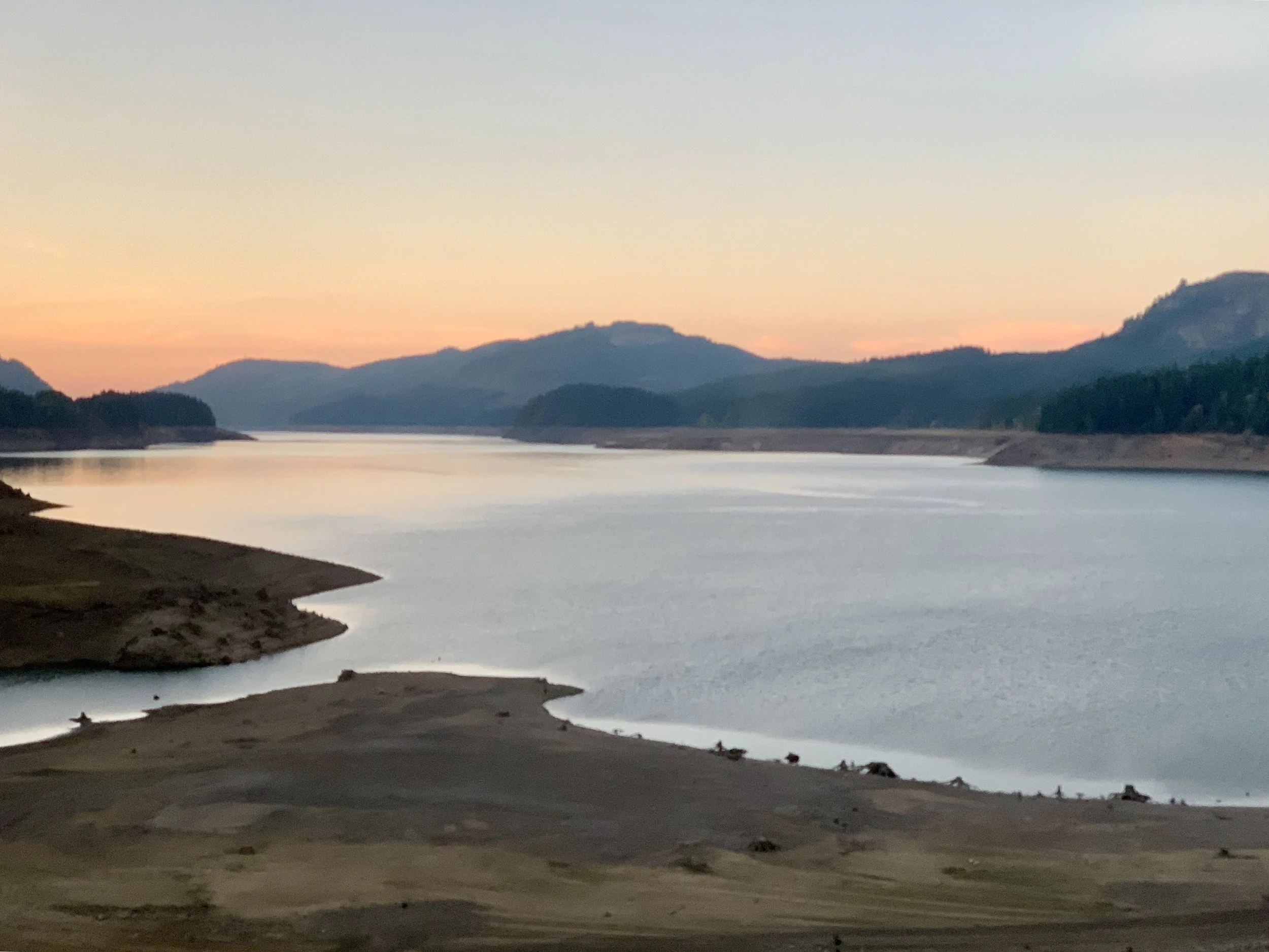
The view from the train in central Oregon on the way to California.
Like the Empire Builder in the north, the Silver Meteor on the east coast, and the Coast Starlight on the west coast, I was able to roll my touring bike on board the train for a small extra fee. I arrived in sunny San Jose in morning on a weekday in the middle of October (only 2 months later than my original plan) and rode an easy 25 miles to my Dad's home in Palo Alto.
I'm fond of Freud's idea that human life can be summarized in two words - love and work. I also suspect that both are essentially conflated into one essential motivation with two expressions - love of others, and love of work. You might remember Gabriel Garcia Marquez's novel, "Love in the Time of Cholera." For a few years I have imagined a working title for another great novel - "Love in the Time of Climate Change." I imagine it as the name of a contemporary story in which most of us are protagonists and a powerful few are antagonists. Sound familiar?
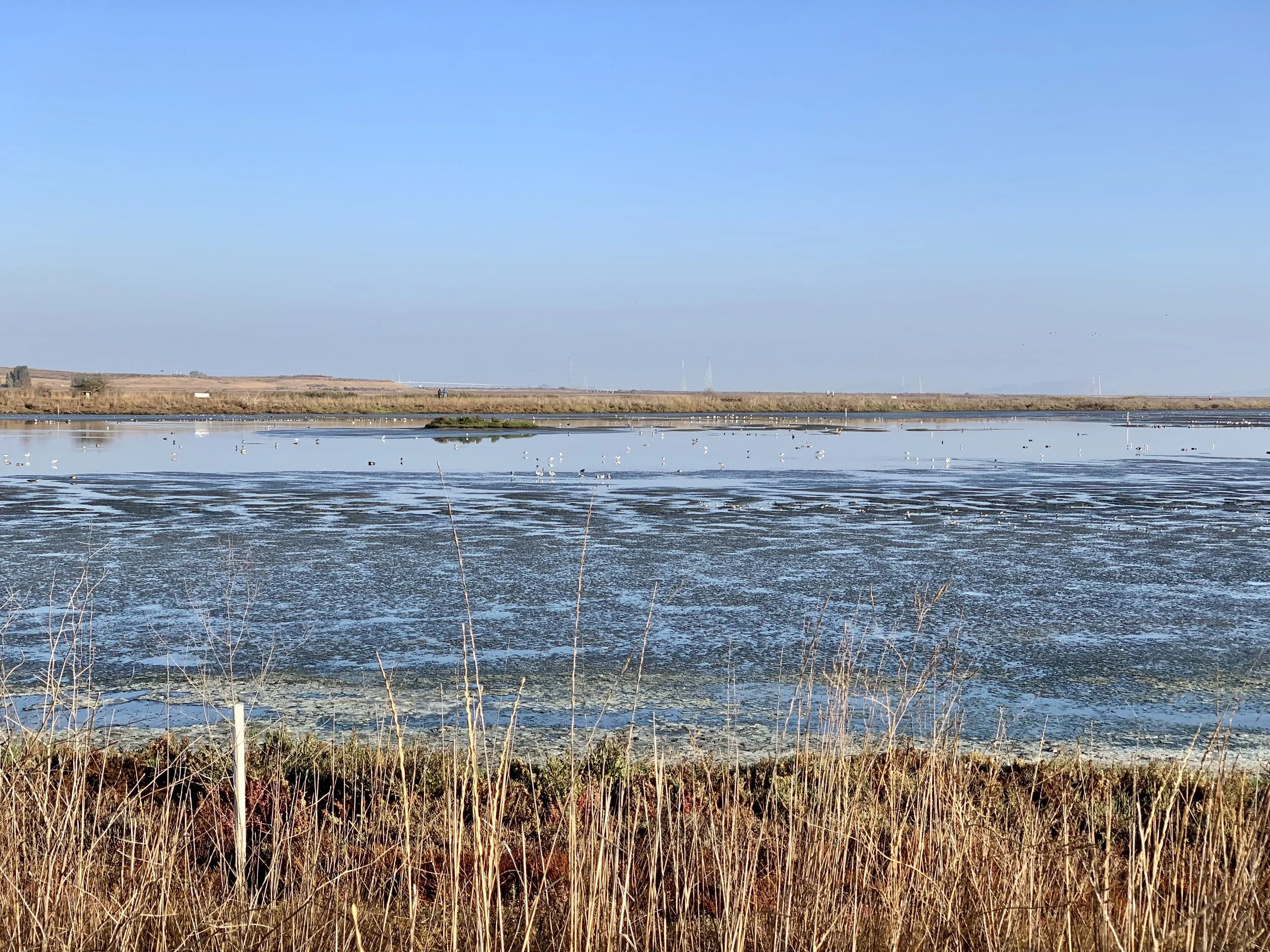
Marshland in San Francisco Bay.
Few things motivate us more than love. It's about people, yes. And it's about work, especially the work of saving ourselves from ourselves. And for some of us it's also about the open road, a distant horizon, the exquisite sense of breathing hard while pedaling a bicycle, the coolness of air streaming through the nose, expanding the chest, tightening the calves and thighs. And the exquisite pleasure of noticing marsh grass and cattails stretching to the sea, or chickory and switchgrass bending toward a hazy blue mountainside in the far horizon.
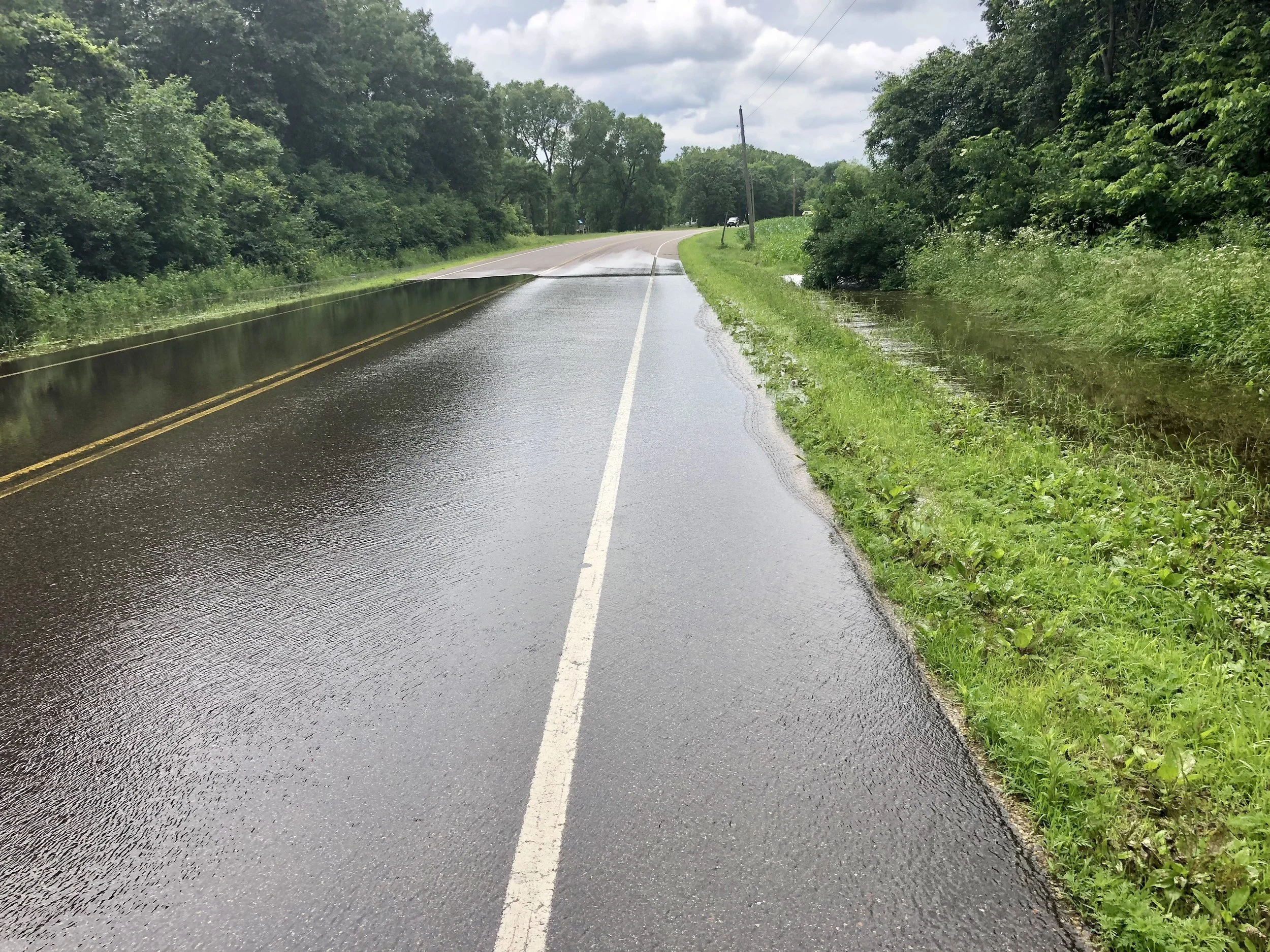
Central Minnesota, summer, 2018.
Or the bittersweet pleasure of gazing at a swollen river encroaching nearby buildings, a tinder-dry forest at the edge of conflagration, a bone dry plateau losing topsoil in the wind, a rapidly melting glacier of blue ice at the waters edge; all visions made more palpable through our rapidly changing climate. Because we inevitably lose what we love, it hurts to love under the best of circumstances. And with so much uncertainty around us, it's heartbreaking. And imperative.
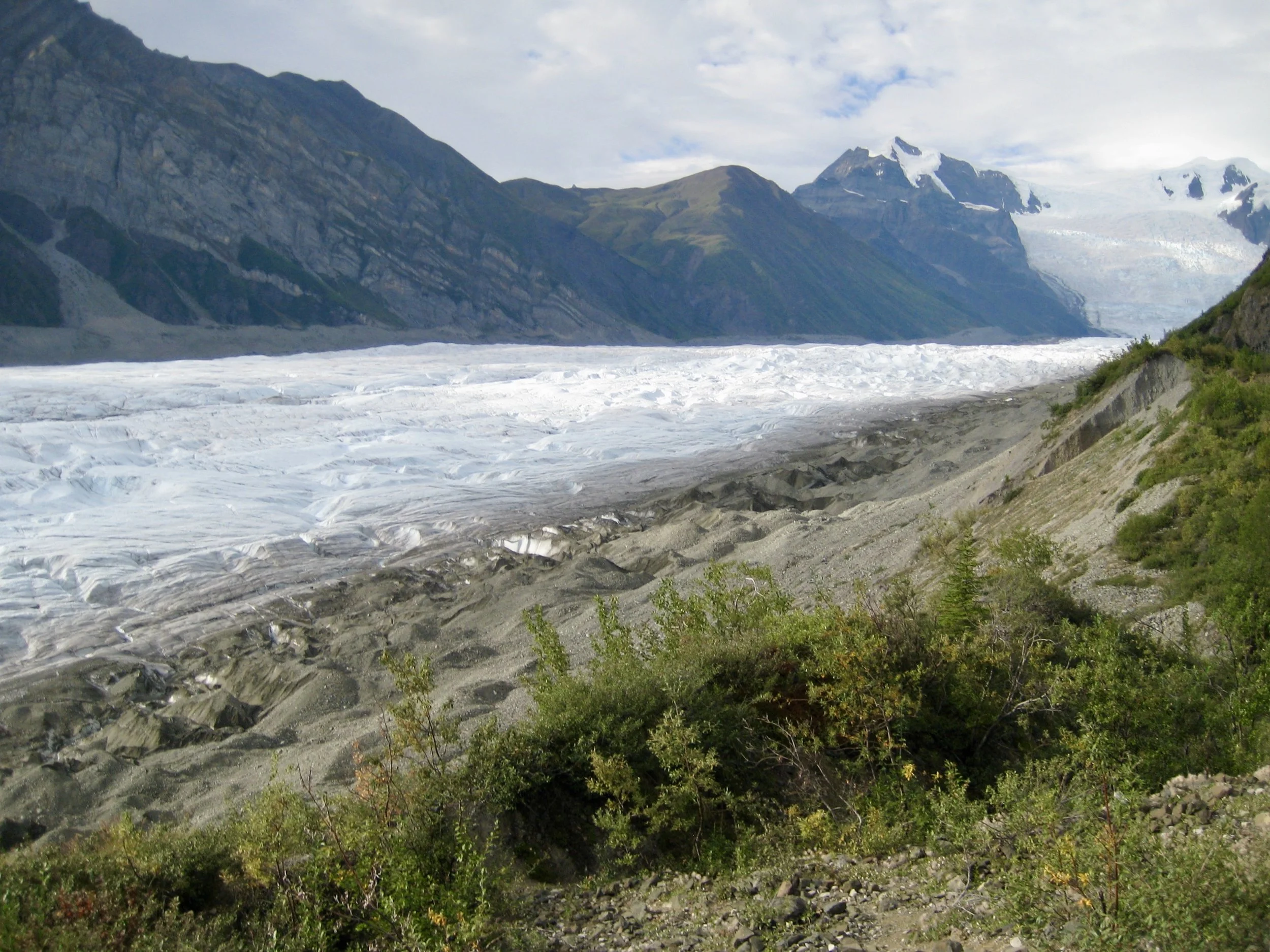
A rapidly melting glacier in Wengall/St Elias National Park in Alaska. Picture taken in 2007. The foreground is now a lake.
We are all protagonists (or antagonists) now. We are all in a shared story of encroaching climate change, whether we know it or not, and whether we believe it or not. If you haven't read the latest International Panel on Climate Change (IPCC) report, or the National Climate Assessment, or the recent CO2 emission figures published by the Global Carbon Project, you probably should. A well informed protagonist might be able to direct the plot of his or her story a bit more to his or her liking. And an antagonist might realize that it's only a matter of time before his efforts turn him, and his loved ones, into unwitting protagonists in the most challenging story ever told.
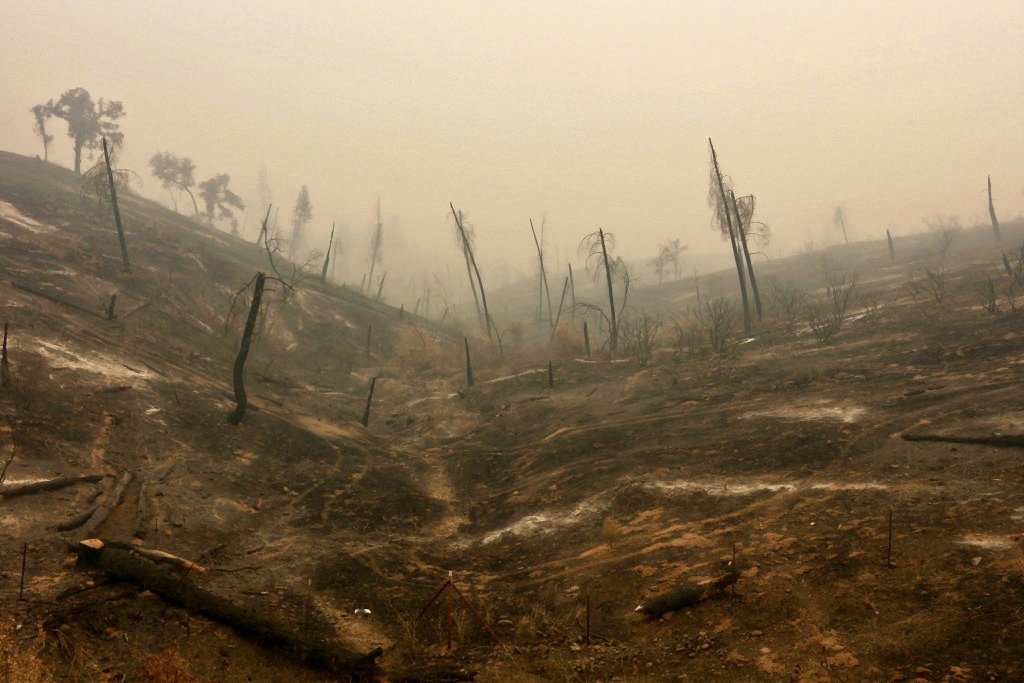
A burned hillside in California after the Carr Fire. Photo uncredited*
There are things we all can do. You are probably already doing some of them, and if you are like me, wrestling with others. We all know what we should do, even when we fall short -- fly less, eat less meat, drive hybrids or electric, become more carbon literate.... I have great empathy for how hard it is to do those things, and I hold no individual responsible for failing, including myself. Fortunately, there are other forms of direct action. If you aren't following them yet, check out the promising young people's Sunrise Movement, and the bipartisan Citizens Climate Lobby inspired bill, the Energy Innovation and Carbon Dividend Act H.R. 7073, that was recently introduced in the House of Representatives. Some actions are simple and direct, such as gently and repeatedly writing letters of support and asking your Congressional Representative to sign on as a sponsor to H.R. 7073. Other actions are more complex and less direct (but no less important), such as taking more time out of a busy life to savor the natural environments nearby. We all fight harder to preserve what we come to love, even as it slips through our fingers. So, in this holiday season, let's recommit to savoring each other more, and to savoring our Sacred Earth more. In this way, our love and our work will coincide.
More to come.
*All photos, unless credited or otherwise noted, are copyrighted property of the blog post author.
Glacier to Seattle, Post 7
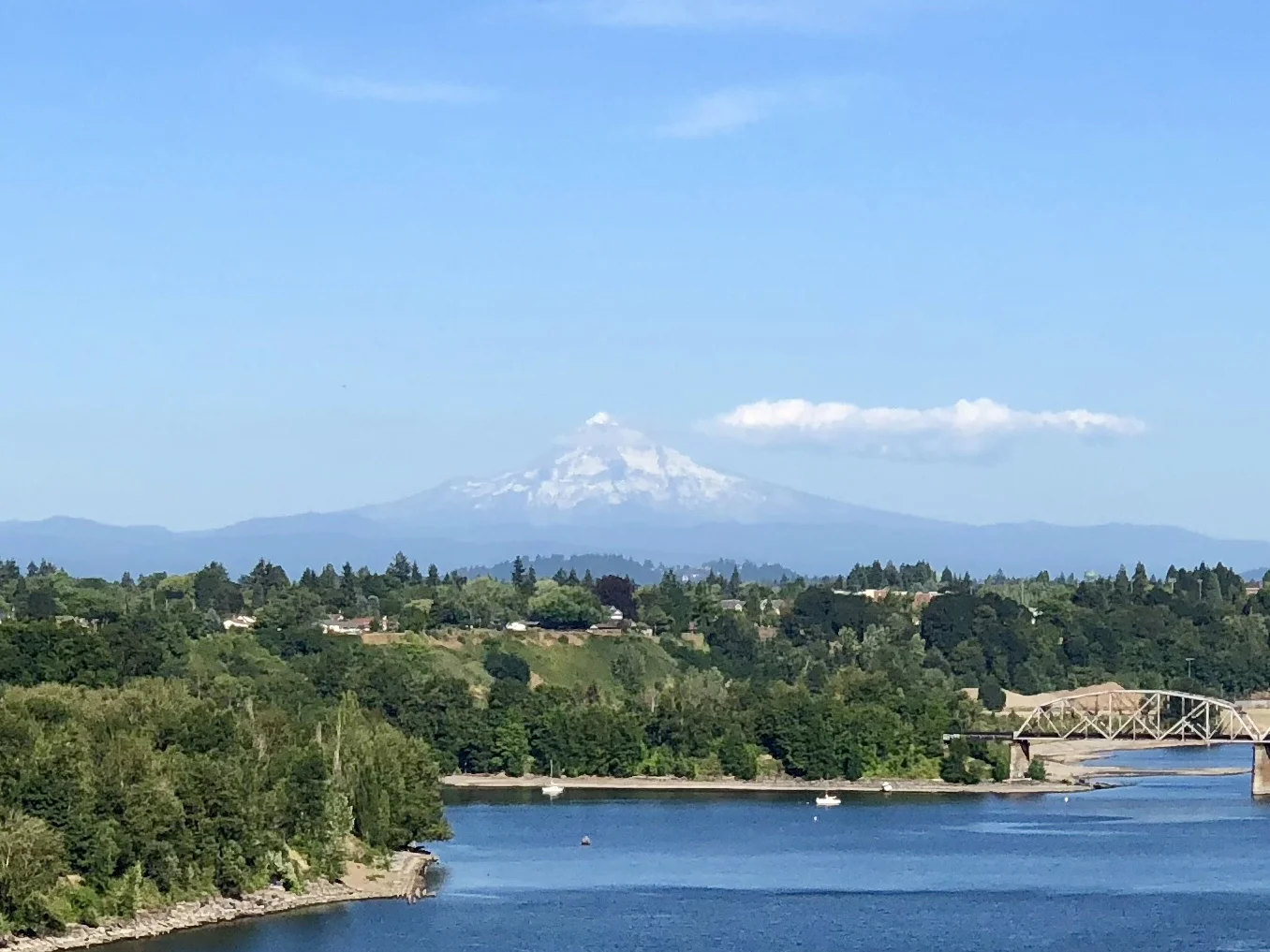
Mt. Hood looms in the distance off the Saint John's bridge across the Willamette River.
I'm sitting in the bucolic backyard of a friend's house in Portland, realizing that my trip is currently misnamed because I am ending this leg here, and not Seattle (I fly back to New York this weekend). But I hope to return to the Northwest later in the summer, and ride the Northern Tier cycling route west to east from Anacortes, WA (north of Seattle) to Whitefish, MT. If I do that, this trip name will make sense. Whoever said that two legs does not one trip make? No one that I know.
As I sit here on a beautiful day in the low 70's and near perfect humidity, I am well aware of my good fortune to be in the Northwest this past week. This has been a rough week weather-wise for much of the world. You may have been baking, but if you'd like to see how much you aren't alone, take a look here.
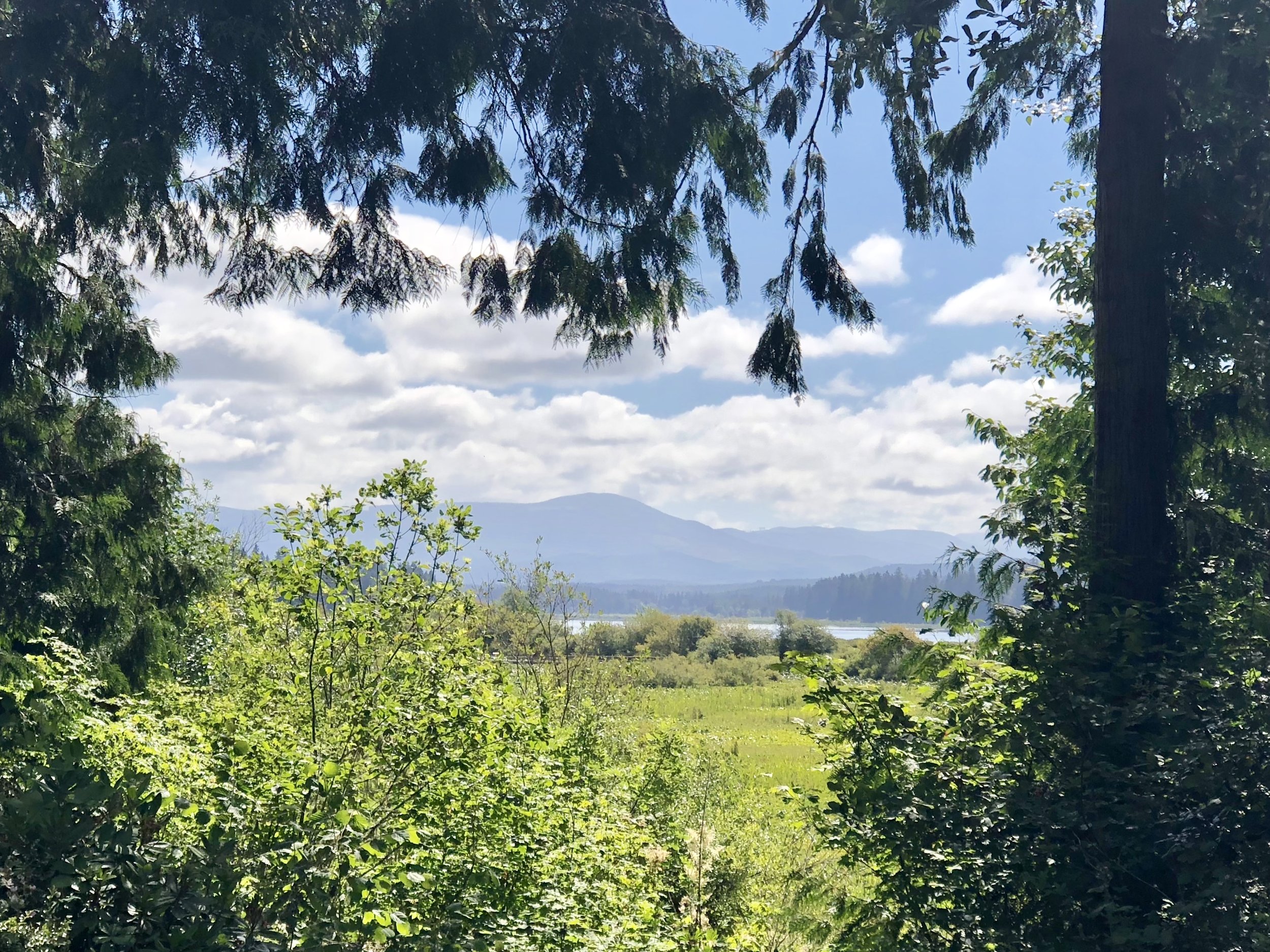
The view to the north from the Mt. St Helen's visitor station about 75 miles north of Portland.
My train trip from Whitefish, MT to Edmonds, WA was uneventful. I have friends in Edmonds, and didn't realize when I boarded that I could get off there before I got to Seattle. Once again, I want to mention the pleasure I take in combining cycling with traveling by train, and how appreciative I am of Amtrak's roll-on bike service. This is such a great example of intelligent planning for public transportation options, and figures into the creation of sustainable systems of transportation that will help us get away from our unhealthy reliance on cars. May this service thrive! Additionally, after a wonderful day in Edmonds (where I went crabbing with an old college friend), I was able to catch another train to Centralia, Washington, where I paid $5 extra to board my bike. This saved a day of biking to Portland. That said, It took me two days to get there anyway (every summer some people cycle between these cities in one day - a distance of 190 miles)! You can see my modest routes here and here.
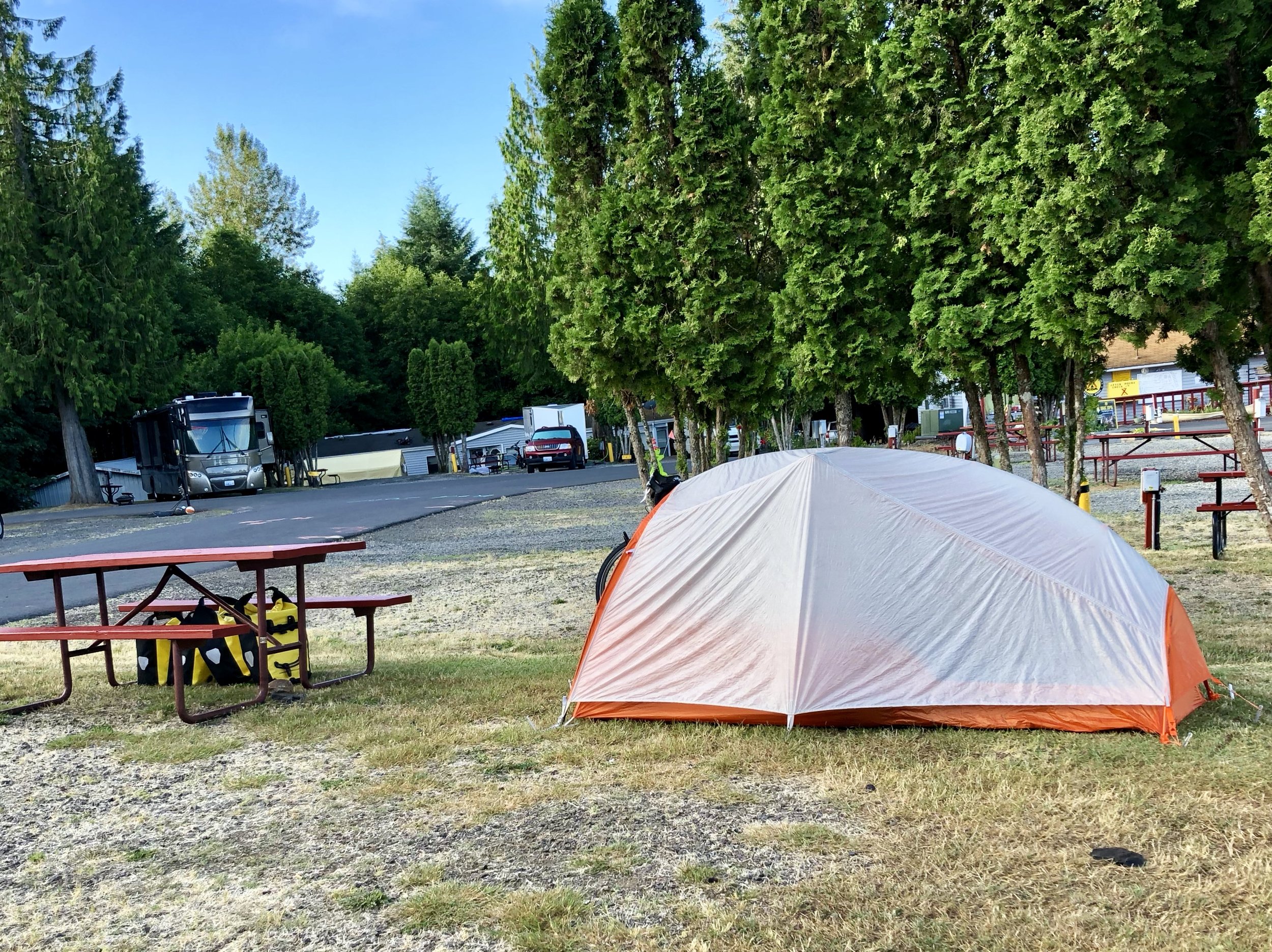
I stayed at a KOA campground (showers!) near the Mt. Saint Helen's visitor station about 40 miles south of Centralia, WA.
The ride into Portland was gorgeous. This town lives up to its reputation. It's funky and gentrified all at the same time, and features great restaurants, bars, coffee shops, cycling routes and in keeping with its nickname - the City of Roses - extraordinarily beautiful flowers. Even Portland's way of celebrating the 4th of July is unique - fireworks are ubiquitous, and although the town has "official" fireworks on the Willamette River, fireworks are everywhere. It seems that every backyard has its own display. The result is a three or four hour period starting just before sundown that sounds like being on the Western Front.
Knowing that it's only fireworks gives comfort to the metaphor of "the rockets red glare, the bomb bursting in air." But I can't help wondering - am I alone in this thought, or do others also feel that our way of celebrating our country's birthday has become strangely dissonant? Why do we celebrate a symbol of independence by conflating it with conflict?
It is my deep hope that we have hit bottom in our way of being divided. Conflict doesn't solve problems. Rich and poor, rural and urban, evangelical and secular, white and non-white, immigrant and non-immigrant (a label that really only applies to native Americans), Republicans and Democrats, and so on. Currently it seems we are the most divided between rural and urban, and probably white and non-white (which is related to views about immigrants and non-immigrants). As a New Yorker who grew up in a small town in the Midwest, I enjoy being in the rural United States, and I feel at home in the countryside. But I am careful about what I take for granted in terms of how others will think about me and why I am there. The truth is, I'm there to see how climate change is affecting communities. But I am learning to be covert about what interests me. Yet, most people are concerned about extreme weather wherever they live regardless of their politics. And it's not hard to get people to talk about the weather if one avoids politics.
That said, in some parts of the US, I think communities are quite unprepared for what is coming. This semed particularly true to me when I biked through the Southeast. Happily, I don't find that as much in the Northwest. But are Northwesterners ready for climate refugees? After all, where will southerners go if, and when, the South becomes overly distressed? Climate change is first and foremost a slow moving ecological catastrophe (average temperature increases, rising sea levels, and extreme weather events like hurricanes), but it won't be long before public health and economic problems follow. And like other parts of the world, Americans may be on the move in great numbers. I certainly would move here before anywhere else in the United States. I'm sure many others will feel the same. After all, the NW will stay reasonably pleasant longer than most other regions of the US. There will be more forest fires, but there will also be more fresh water than the southwest, and less heat stress and extreme precipitation than the Midwest and Northeast.
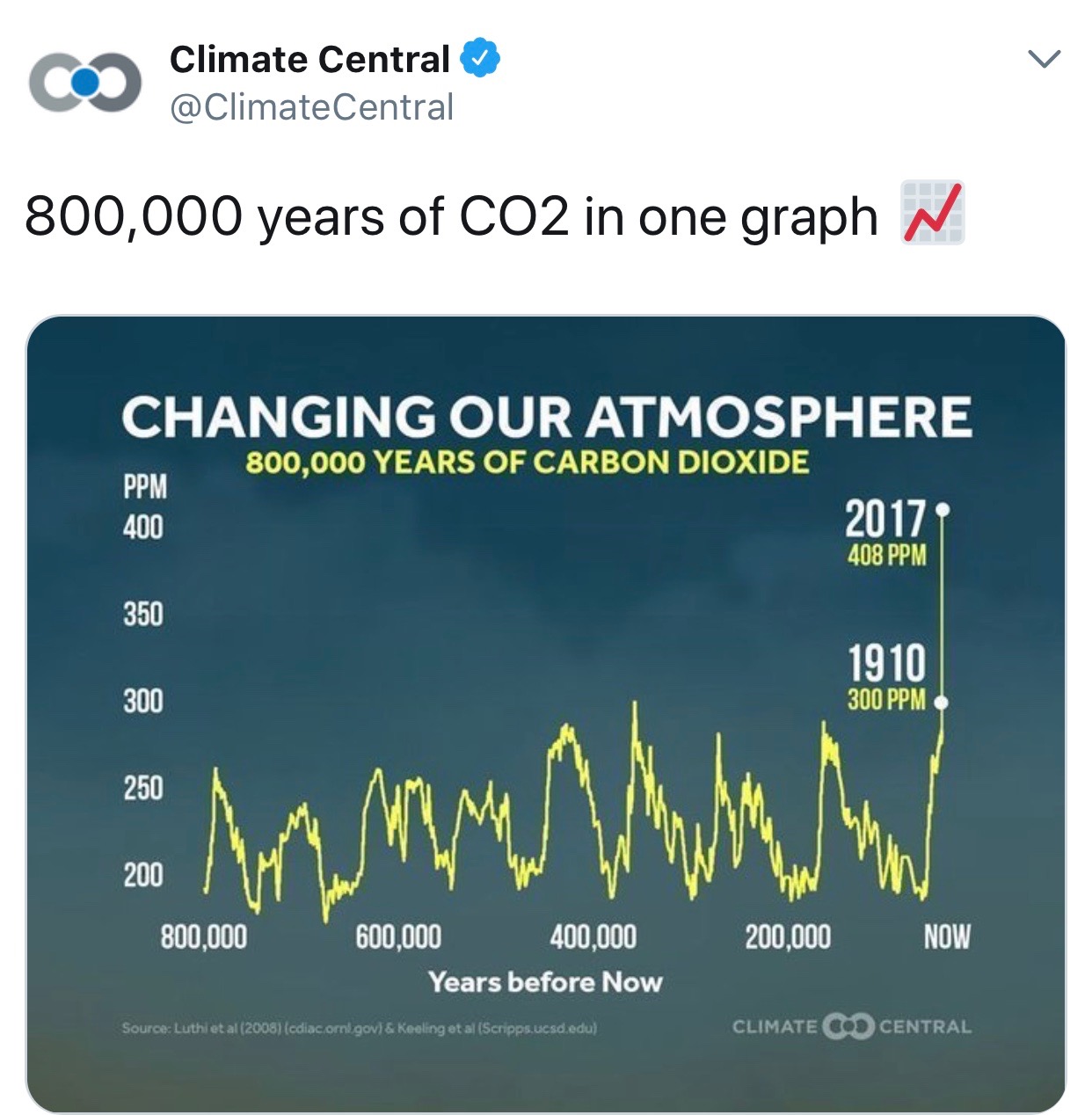
Although they have fluctuated over time, CO2 levels remained under 300 parts per million (PPM) for the past 800,000 years until about 1900. Since then they have soared by about 60%. This rapidity of change is unprecedented in the history of the earth.
Clearly, it's time for our Congress to work together to solve the very real problem of a changing climate. And it's time for us to shift our national narrative from one of dissonance to one of clear-eyed assessment. Clean renewable energy is the right way to go, but the current transformation is too slow. We must speed up the rate of societal change to match the urgency of our situation. Global carbon pricing, while not a silver bullet, may be our best global option. Let's make it happen. It's not as preposterous an idea as it may seem at first glance.
There's more to come later in the summer, but not for some weeks. Thanks for reading.
Glacier to Seattle, Post 6
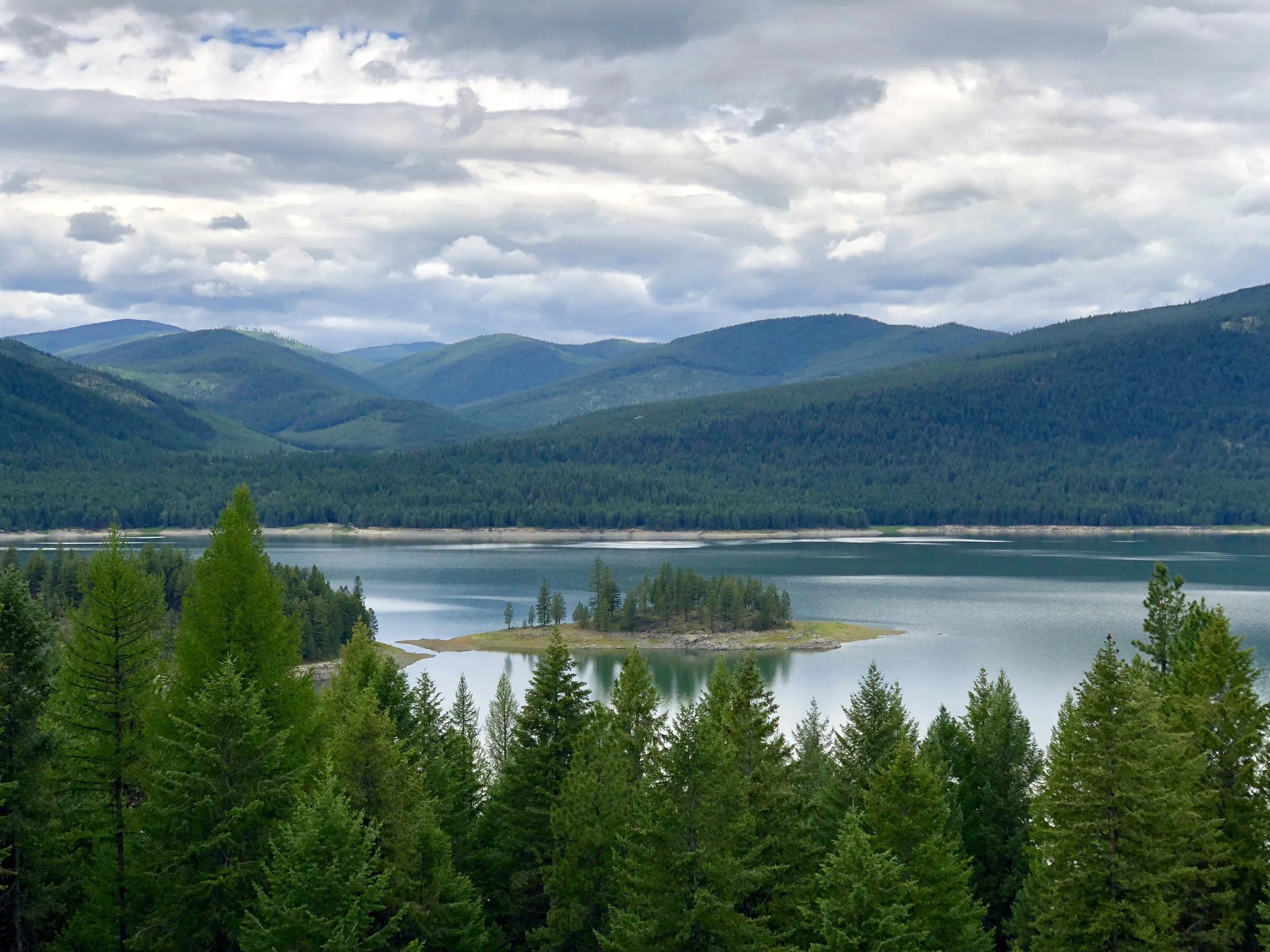
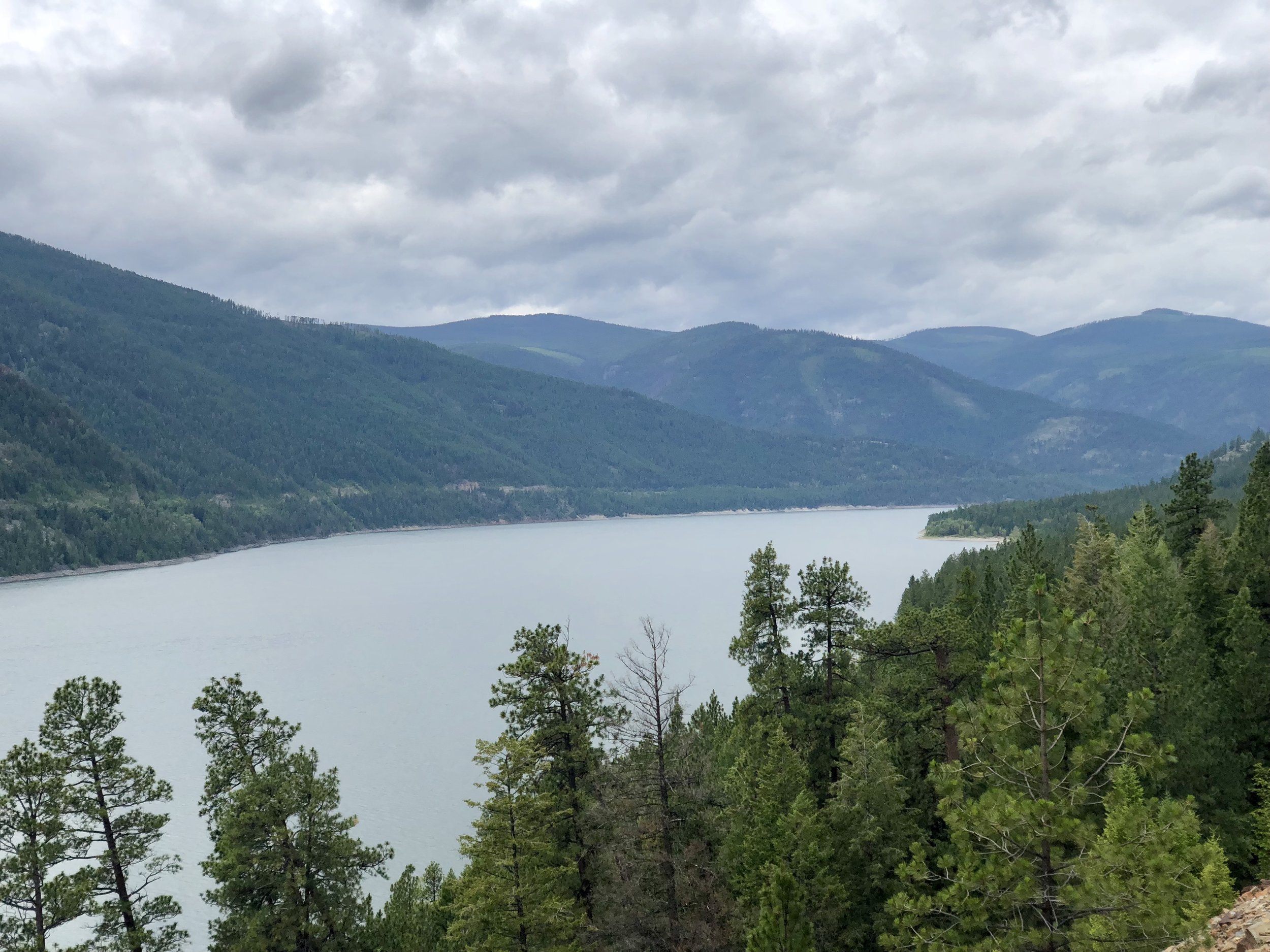
There's a beautiful reservoir between Eureka and Libby, Montana. Highway 37 follows it for 40 of the 65 miles between Eureka and Libby. The reservoir is called Lake Koocanusa, and it was formed by damming the Kootenai River, which was central in the development of Libby. It's beautiful and sparsely populated. In fact, my trip to Libby and back to Eureka (more on that in a moment) was extraordinarily peaceful. Cars come by at the rate of 1 or 2 every ten to fifteen minutes. Although challengingly hilly, I really enjoyed this ride. Beyond the reservoir lies the river, and it's pastoral beauty makes the ride into Libby a genuine pleasure.
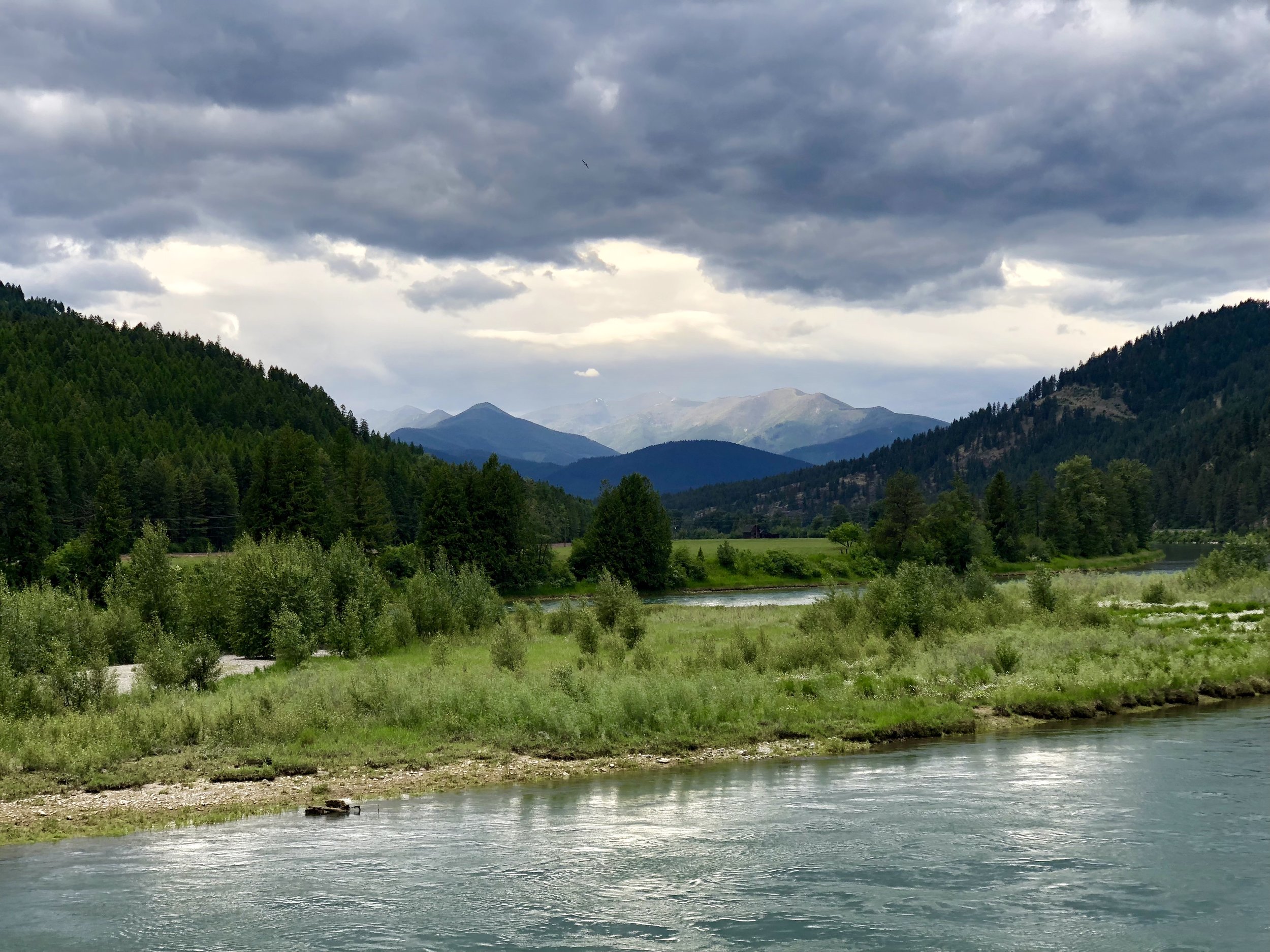
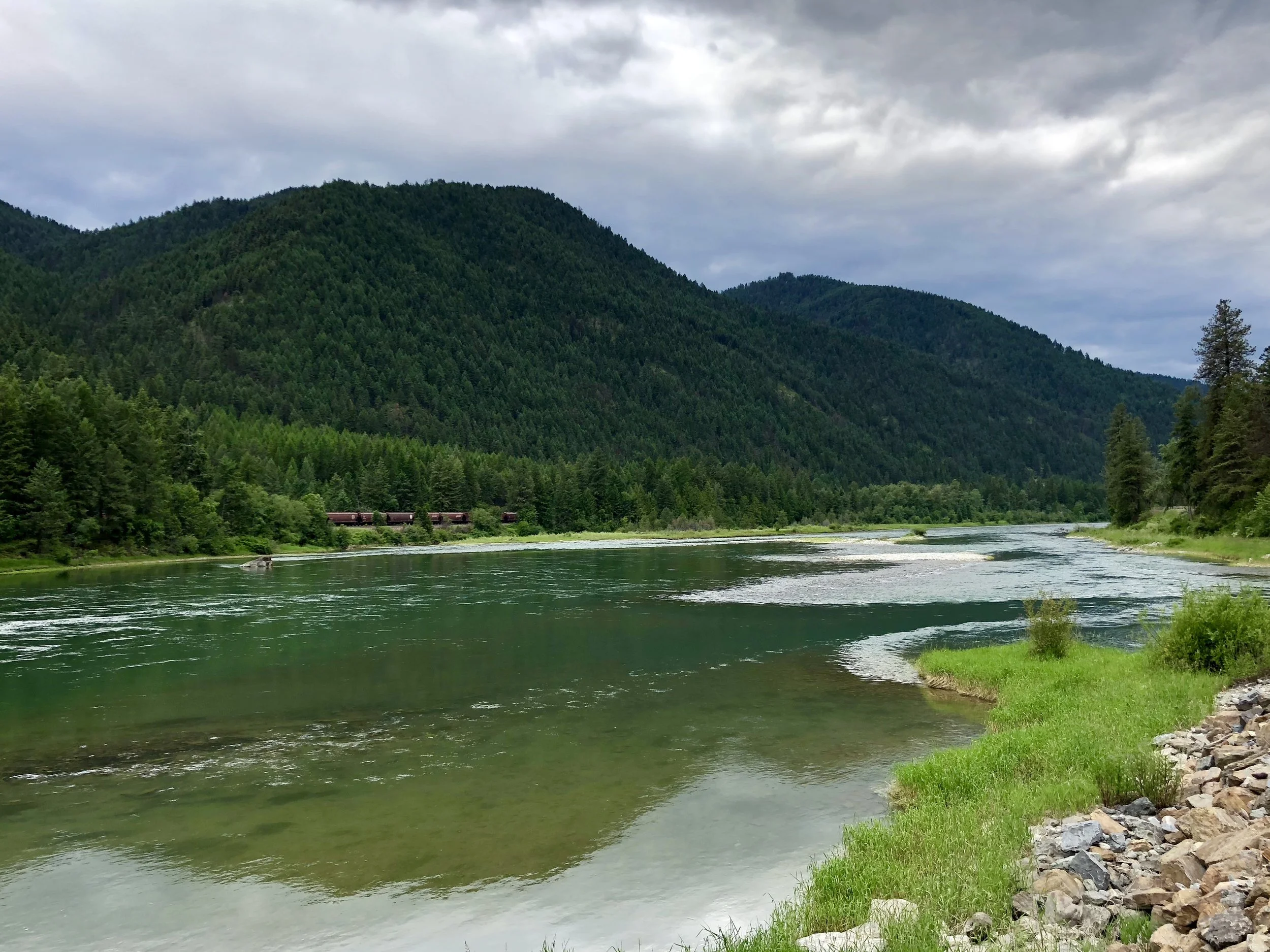
The Kootenai River about 5 miles north of Libby.
I knew as I approached Libby I would have to make some decisions. Now that I am able to gauge the challenge of biking in this environment, I was going to be able to make some calculations about the timing of my arrival into Seattle and my trip down to Portland, where I will leave my bike (in a friend's basement) for more cycling in the Pacific Northwest later in the summer. I hadn't been too worried about distances and time when I started the trip. In the back of my mind I knew the Adventure Cycling Association (ACÁ) route called "Northern Tier" followed the Amtrak "Empire Builder" route (this route has walk on bicycle service) from East Glacier to Sandpoint, Idaho. So I thought I could board the train at any point up to Sandpoint should I run short of time. I started to think about this in Libby, with the thought that I might use the train once I got to Sandpoint. But as I looked into it, I learned that many of the smaller towns have no staff, and consequently no way to put a bike in the baggage car designated for bikes. So although the Amtrak website suggests otherwise, it's not possible to get on the train at certain stations with a bike. Both Libby, Montana and Sandpoint, Idaho, have this limitation. But alas, I had already made plans to see friends in Seattle and Portland, and even booked a non-refundable flight back from Portland to New York (far earlier than I could ever get there by cycling). What to do?
Then it struck me. I could ride back to Whitefish (two days east), and still catch a train west to Seattle where I could board my bike. So I did. In fact, I'm writing this blog post in the Whitefish train station while I wait for the train. Forward or backward, life has a way of working out. If you care to see my past three days of redundant rides on Garmin Connect, look here, here and here.
On my return trip From Libby to Eureka, I came across a Washingtonian named Blaine who was driving this extraordinary 1961 Thunderbird. How cool is that?
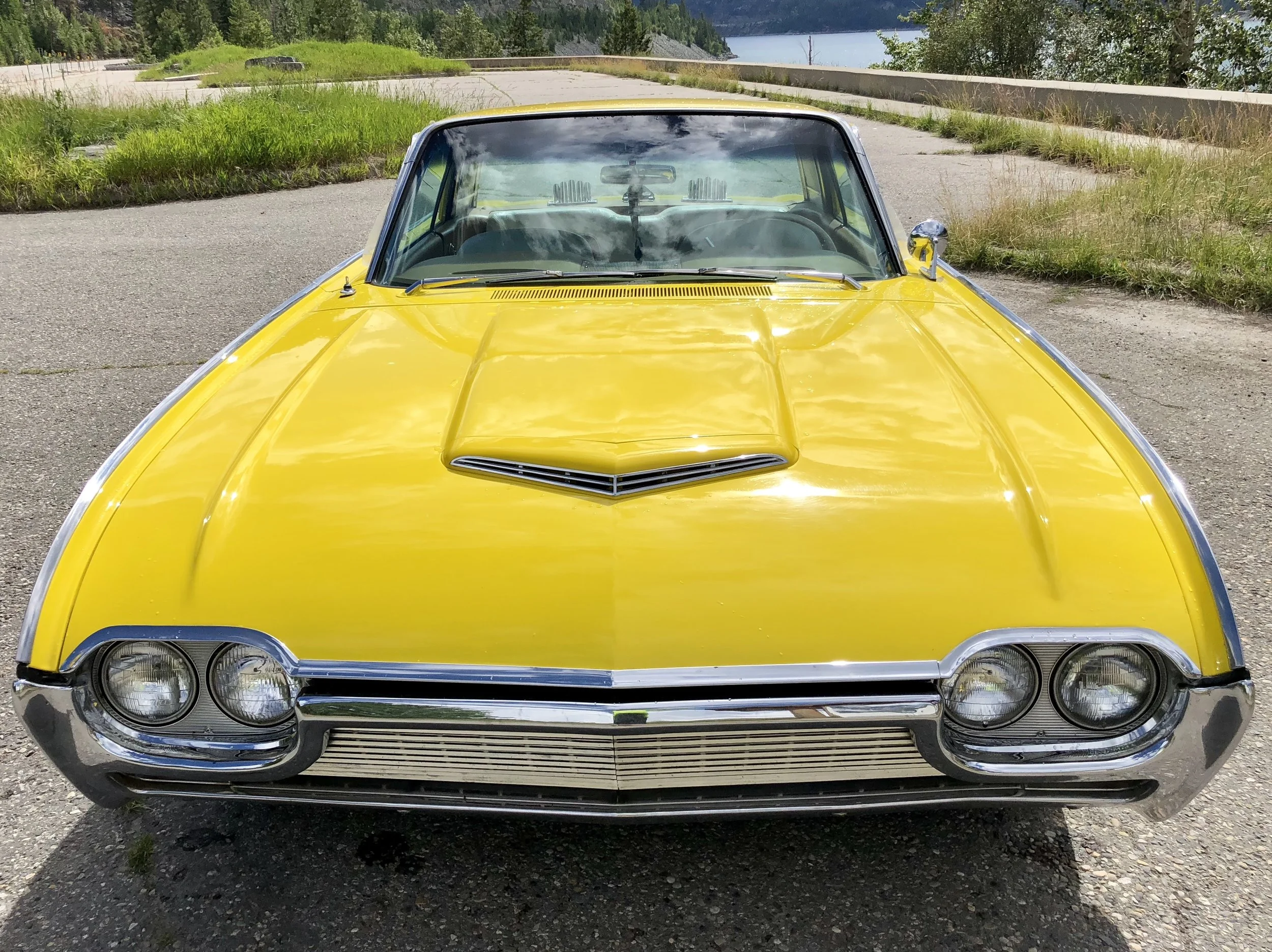
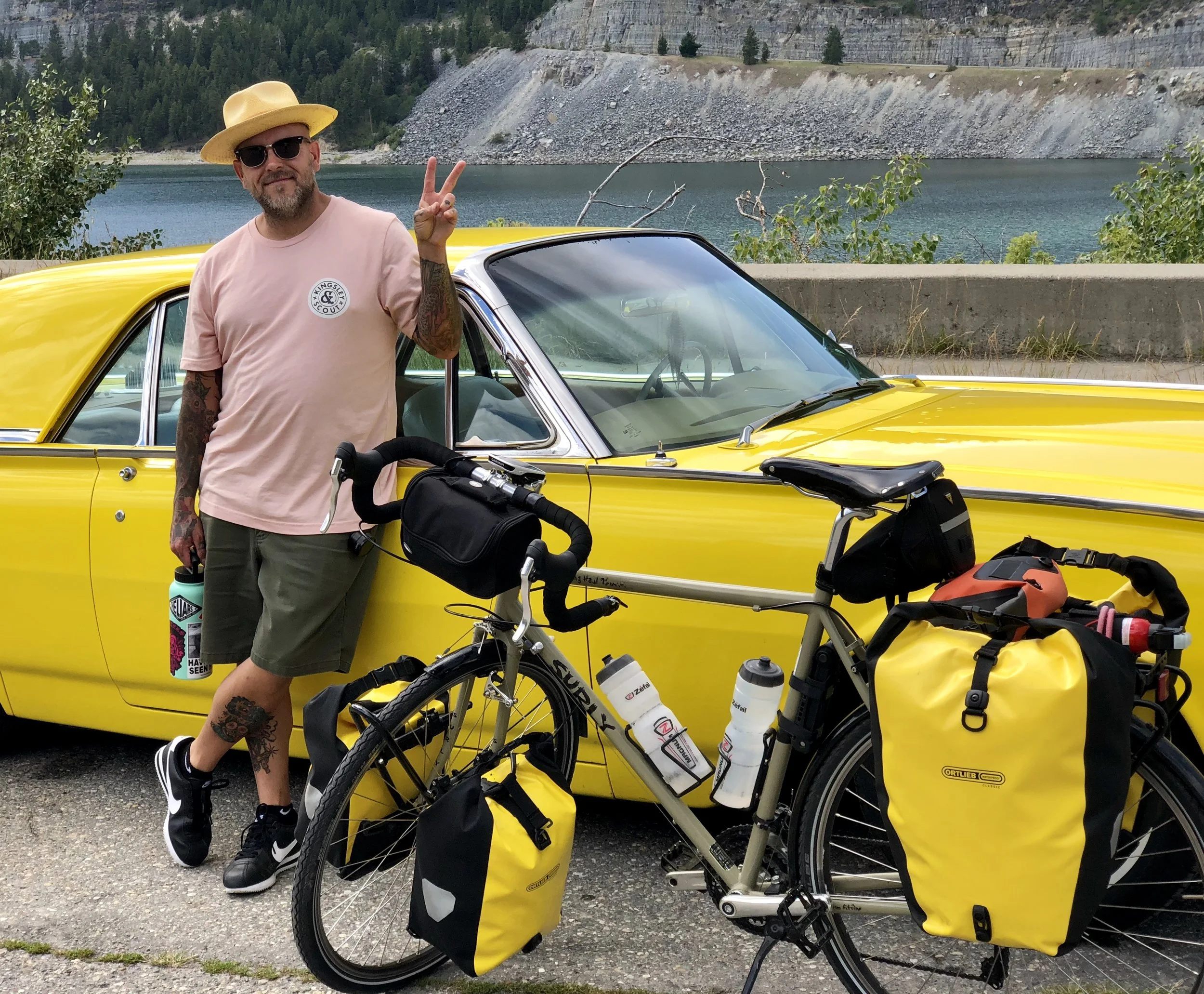
Yellow and mellow.
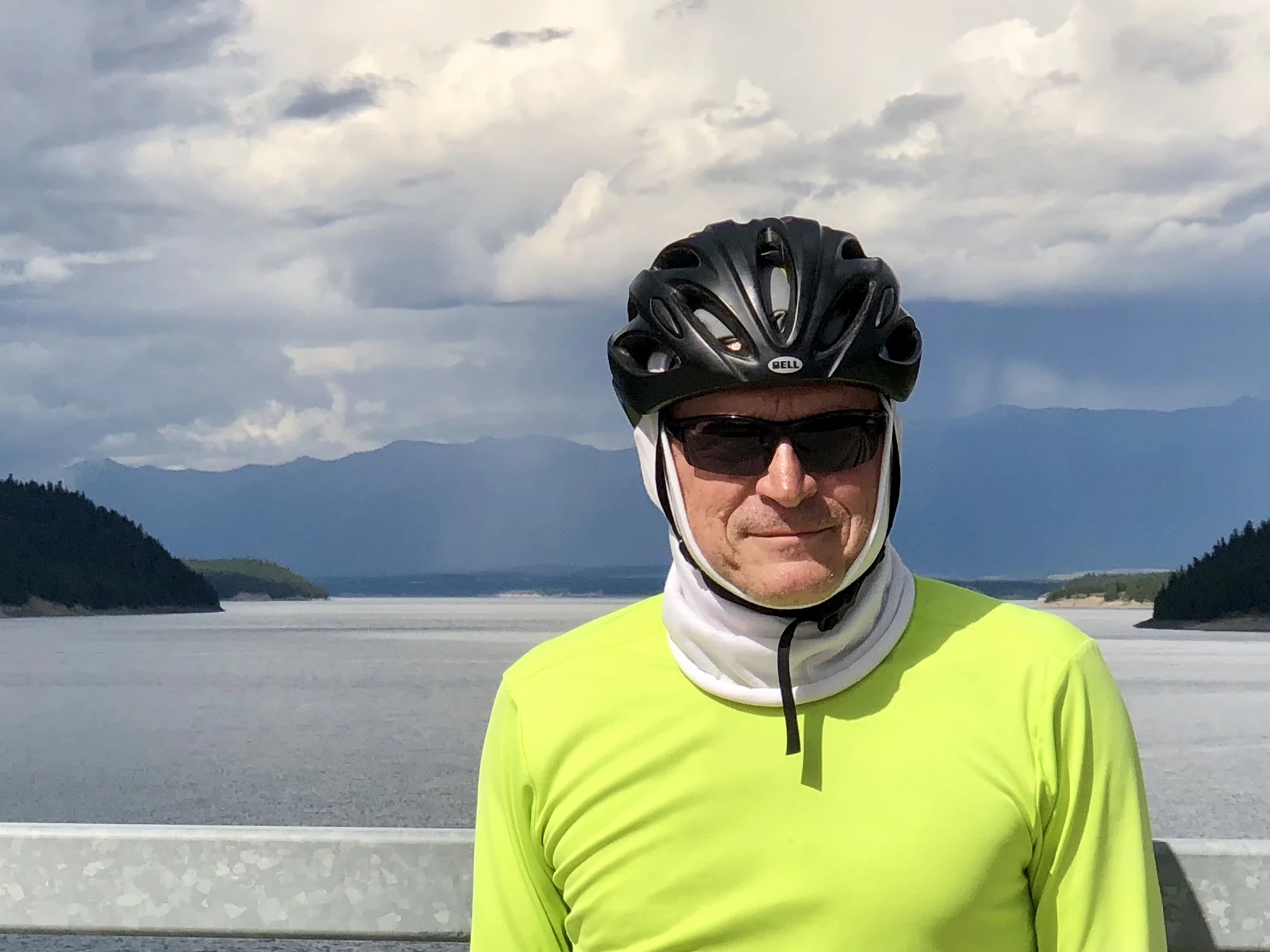
As much as I enjoyed Blaine and found him an intelligent and informed guy, I couldn't help but reflect on the gas milage of his vintage Thunderbird. He told me with some pride that he got 8 miles to the gallon. How interesting that a car that symbolizes a simpler age when freedom was a much simpler construct could still seem so comforting. I can indeed remember when gas cost 19 cents a gallon. At that price, and at a time when we'd never heard about climate change, why not? Whatever it is about Blaine's car that made me feel good is similar to why I like RV parks, and why American kitch delights me far more than it irritates. It's represents a time we long for, a time that's gone, a nostalgia for a much simpler, less complicated world.
So, I spent much of my backtrack to Whitefish thinking about the mess we are in with our changing climate. I almost never meet a person who agrees with the science who feels like they can make more than a superficial difference. And, at the individual level, that is probably the case, unless one is wealthy enough to do what many corporations do, and offset the carbon that results from activities they cannot mitigate by purchasing carbon offsets (a viable and underused option that will probably increase over time.) But for "regular" folk - we're just stuck in a way of life that isn't of our making but still offers us some joy. Blaine believes in climate change, by the way. And he also loves his Thunderbird. And why shouldn't he? So if it's not Blaine's job to change things by selling a gas guzzler he loves, then who's job is it?
We all could use some help living in ways that are less harmful to our climate. More and more, I think that our best way out of the mess we are in is through market based adjustments on the price of carbon. For generations we have allowed fossil fuel companies to pollute our atmosphere without having to factor the external costs of that pollution into their profit margin. So instead, the rest of us are paying that cost for them through degradations in our weather, health, economic well being, and social stability. And without meaningful intervention these trends will only accelerate. It's time to put a price on carbon.
There are many good groups working on these problems. My favorite is this one.

From the New Yorker, late June, 2018.
Thanks for reading. More to come.
Glacier to Seattle, Post 5
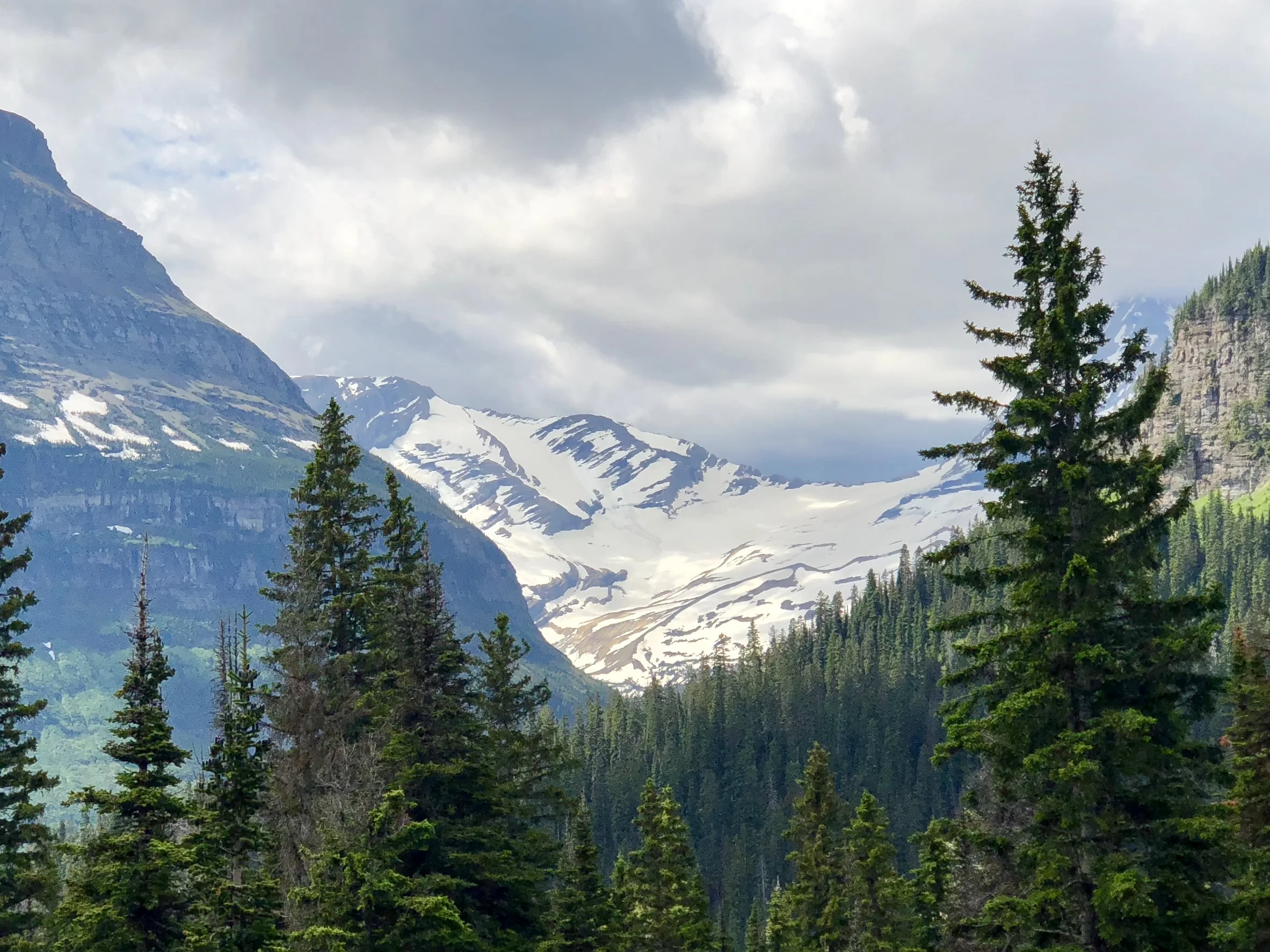
Jackson Glacier can be viewed from the "Road to the Sun", or "Going-to-the-Sun Road", or simply "The Sun Road" depending on who you talk to. This road was started in 1921 and finished in 1932. It is the only road that crosses Glacier National Park. Jackson Glacier was once part of the largest grouping of glaciers in the park, including the Blackfoot and Harrison Glaciers. The glacier was most recently measured in 2005 at 250 acres. Between 1966 and 2005, Jackson Glacier lost almost a third of its acreage.
Some quotes are worth repeating.
"Every morning I awake torn between a desire to save the world and an inclination to savor it. This makes it hard to plan the day.
But if we forget to savor the world, what reason do we possibly have for saving it? In a way, the savoring must come first".
E. B. White
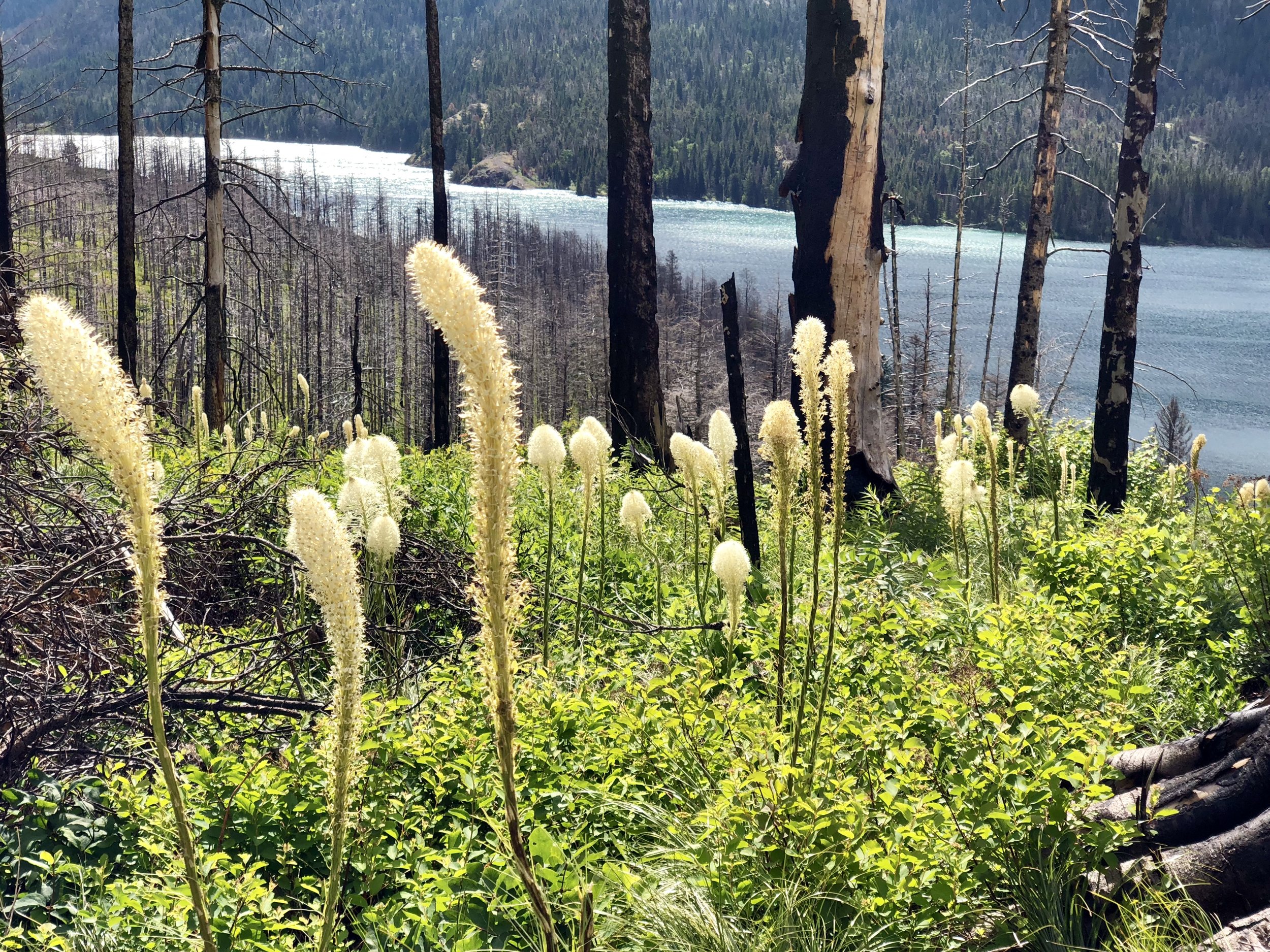
Beargrass is one of the first plants to appear after a forest fire. This area last burned in 2015.
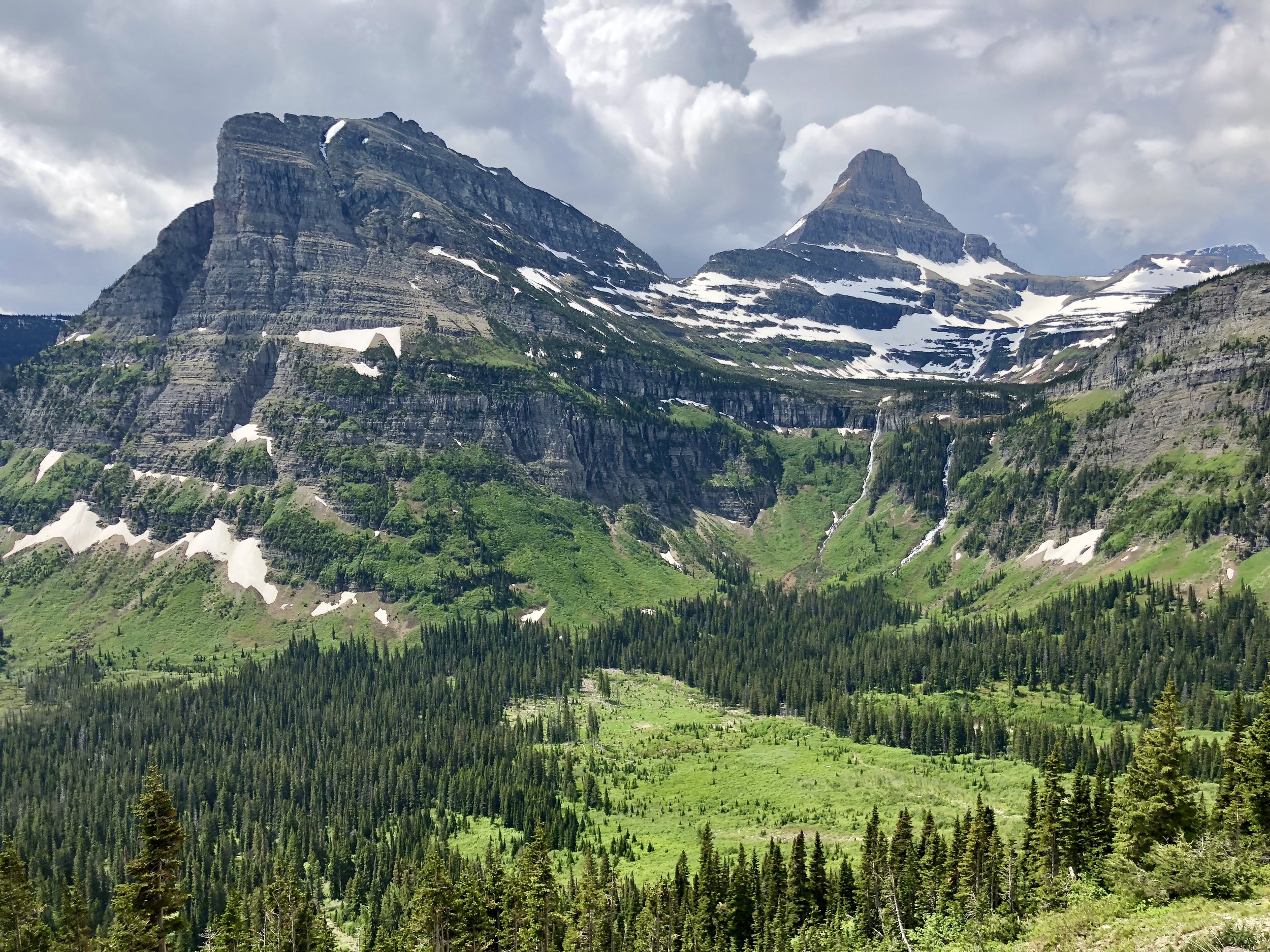
On the Sun Road.
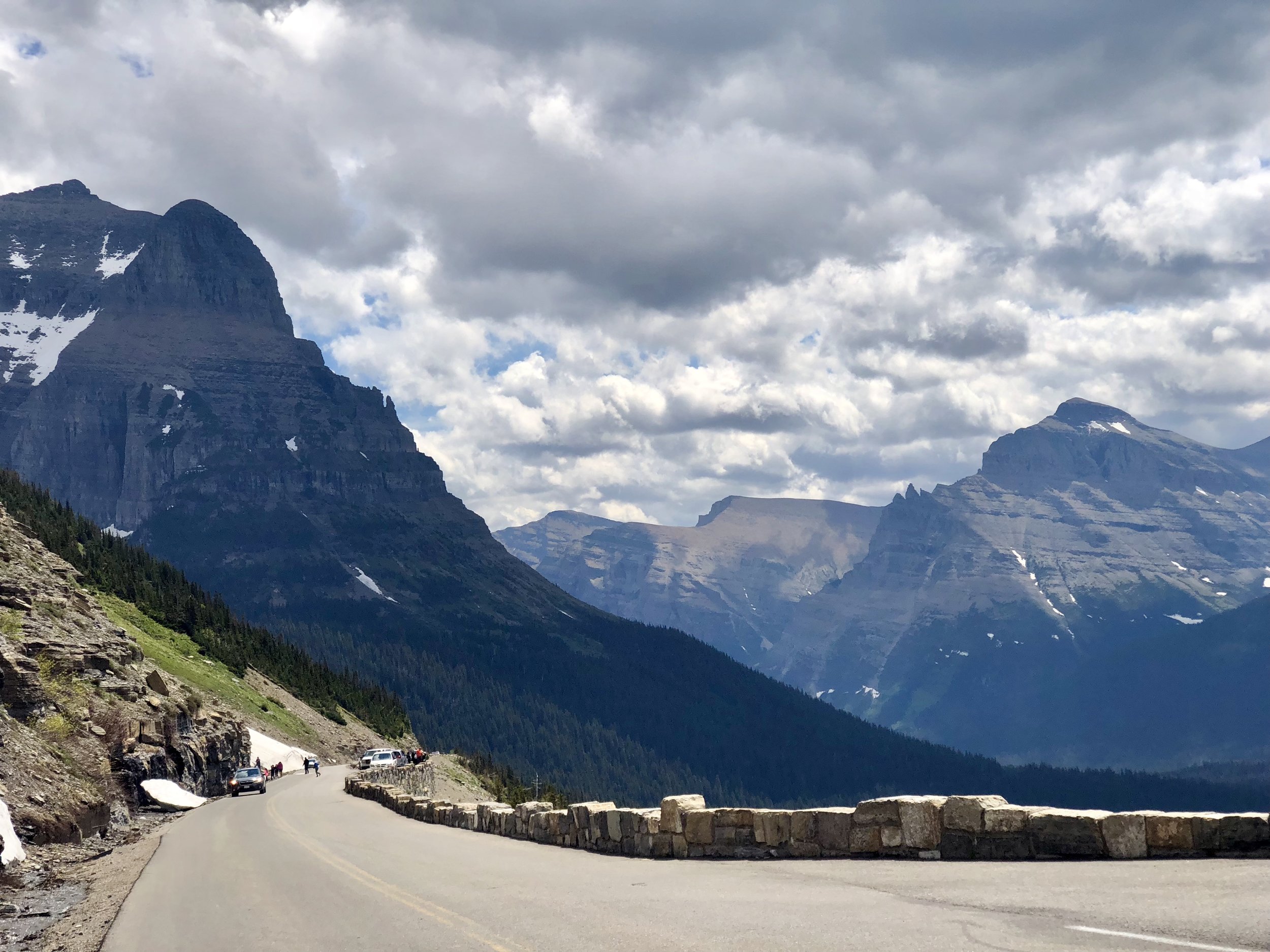
On the Sun Road.
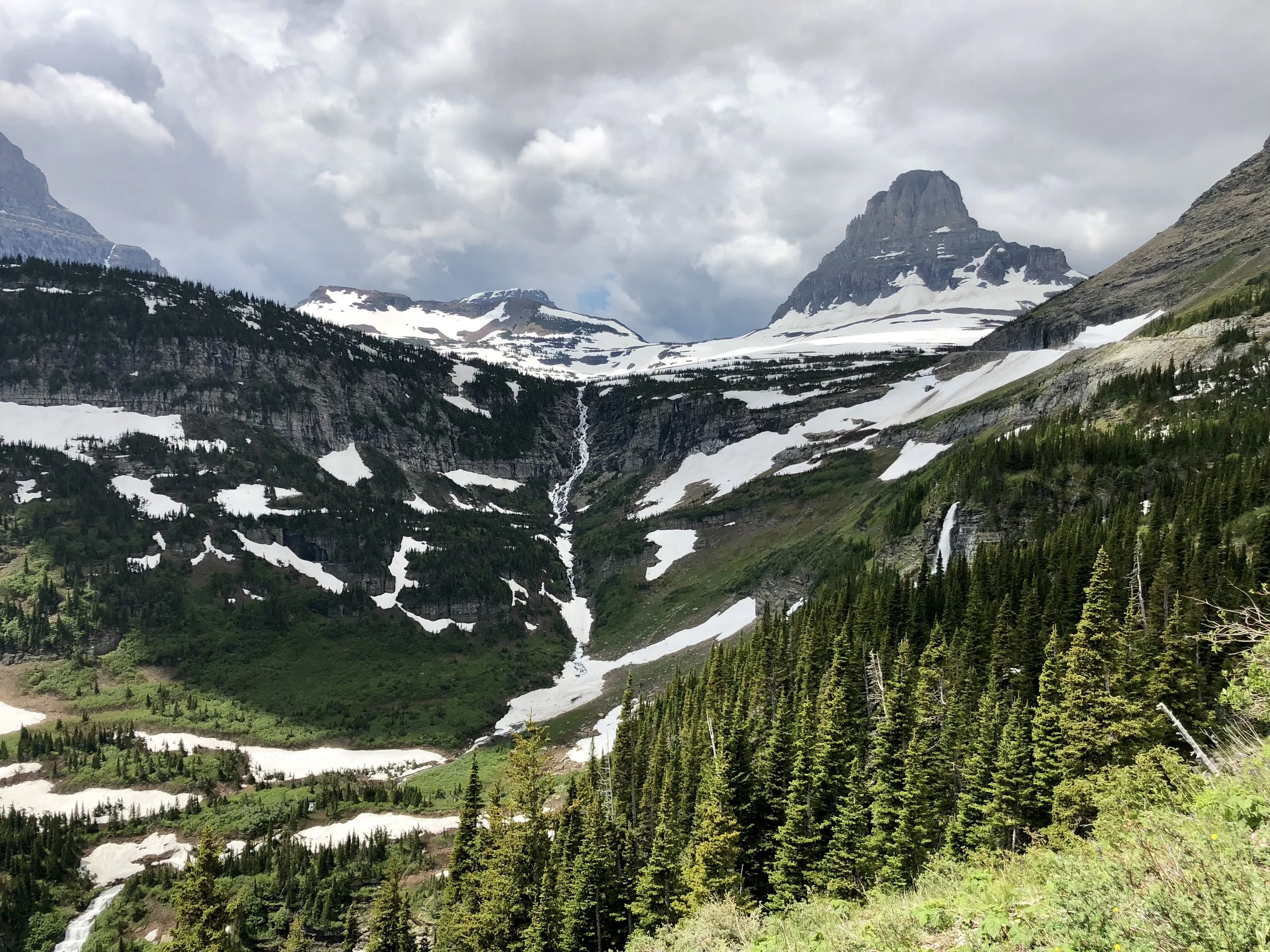
On the Sun Road.
It's been 2.5 days since my last post. In the meantime, I rode the iconic "Road to the Sun" from St Mary's, MT to West Glacier and then on through Whitefish, to a small pleasant town in western Montana near the Canadian border called Eureka. Today I am taking a day of rest.
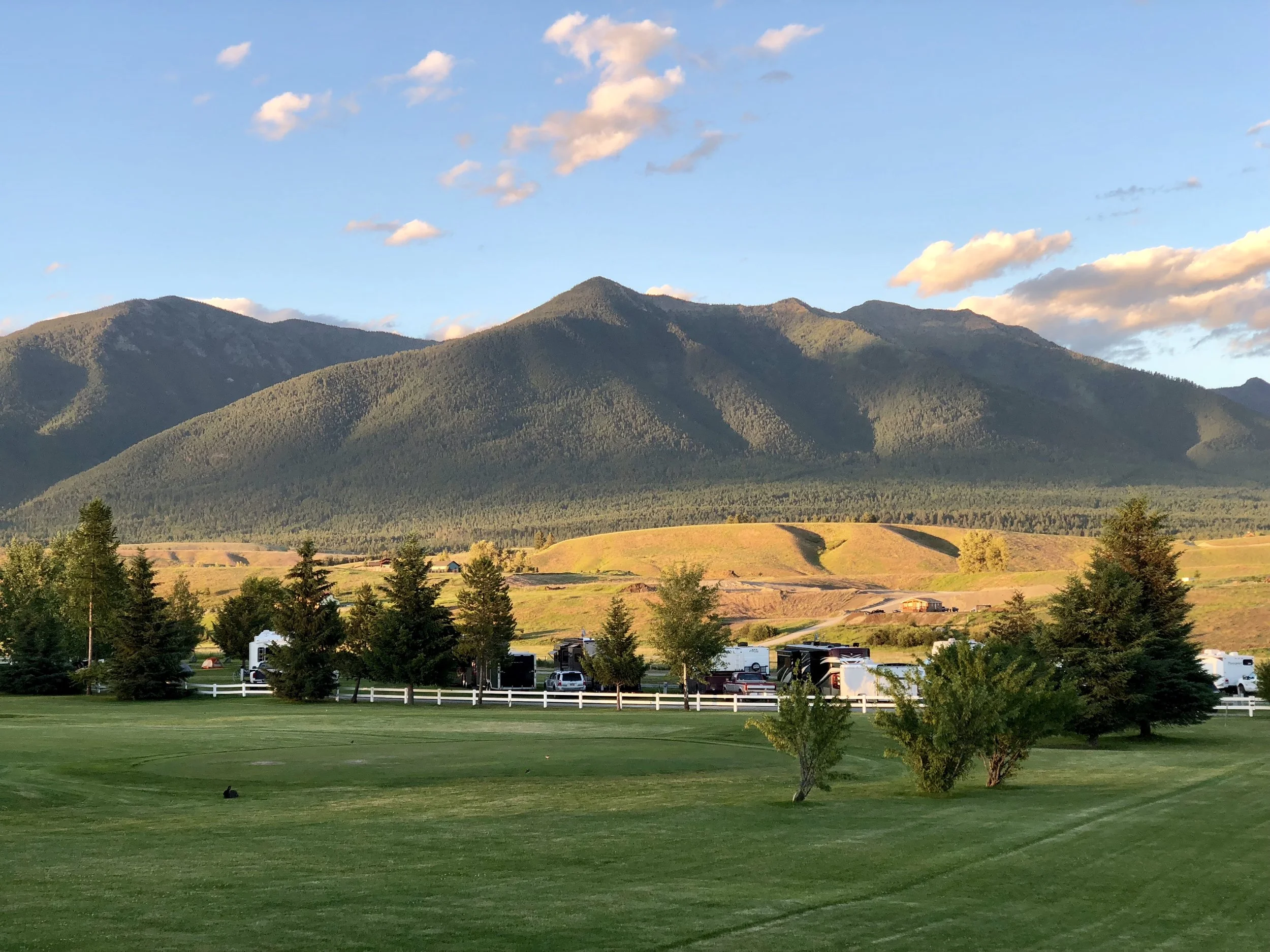
The view behind my motel in Eureka, MT.
My route took me about 120 miles over two days with a lot of elevation gain. You can see both days in 3 installments here, here and here. The day on Sun Road is broken into two segments because I lost my GPS connection on the pass, and then again afterwards. If you study the trajectories you'll see my GPS has me biking across MacDonald Lake on the west side of the Park. If only I could do that!
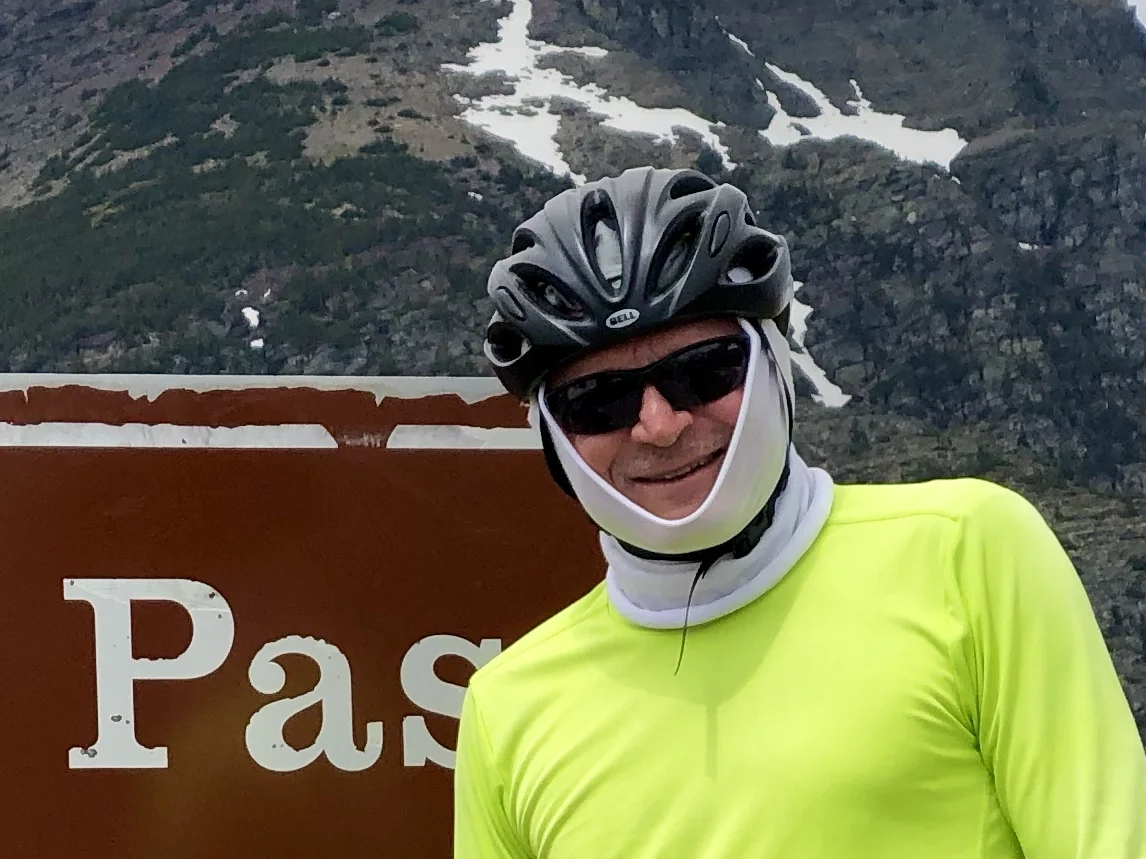
At Logan Pass on the Continental Divide, elevation 6646 ft.
I've already mentioned the wonderful visitors center on the west side of the Park. When I was there last Sunday I was given a brochure written by the National Park Service about Climate Change at Glacier National Park. It tells us that over the past 100 years the Earth's average temperature rose by 1.5 degrees Fahrenheit. It goes on to explain that if we continue to emit greenhouse gases at current rates, temperatures could rise from anywhere 2 to 7 degrees Fahrenheit by the end of this century. In general, we will see more deadly heat, intense hurricanes, rising sea levels, extreme precipitation and drought, and vanishing glaciers and sea ice. At Glacier National Park, there will also be changes in the water cycle and major changes to the many plants, animals and people who are adapted to the present climate.
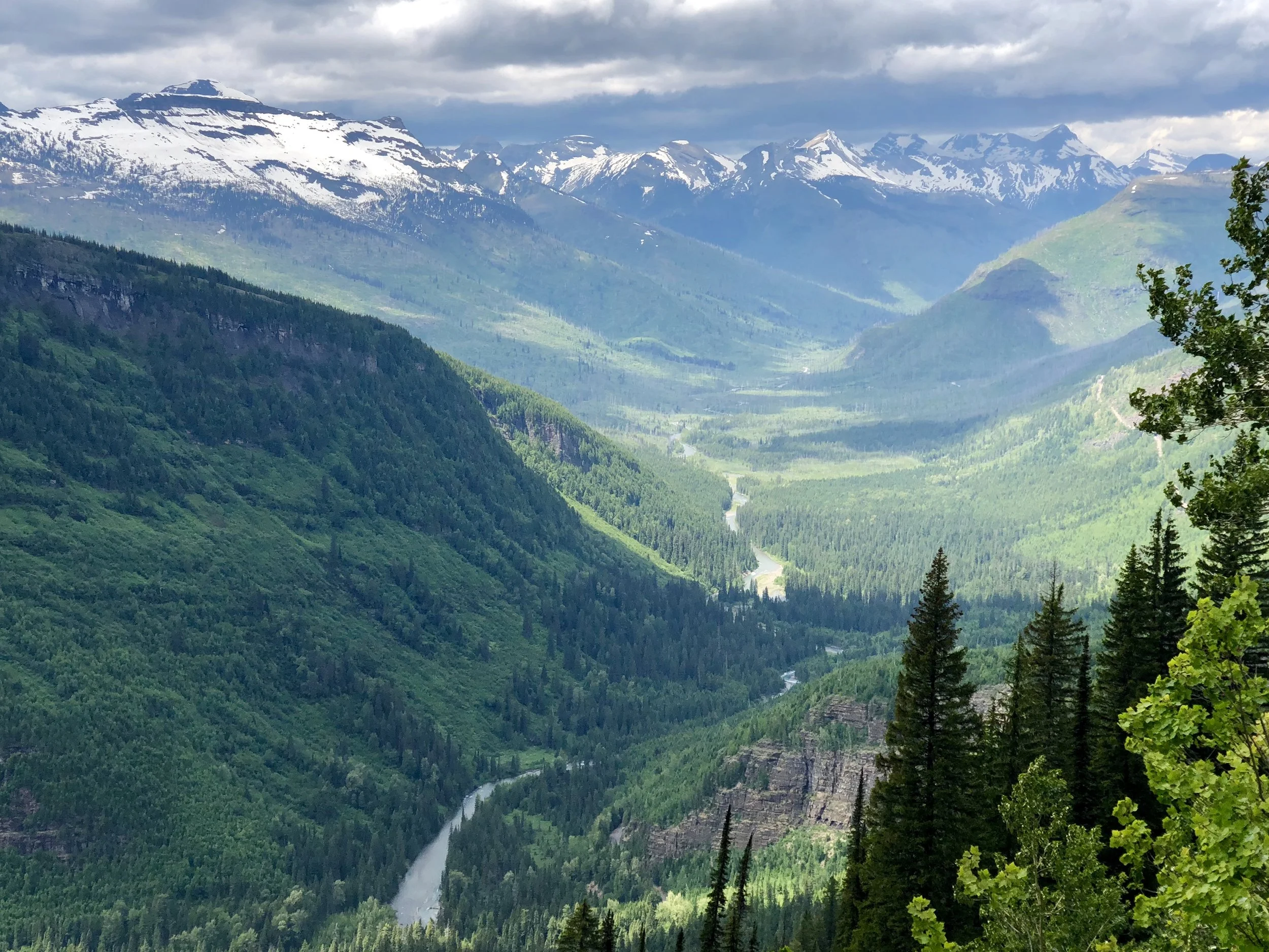
Coming down from Logan Pass on The Sun Road.
In addition, the same brochure explains that mountain ecosystems in the northern Rockies are experiencing temperature increases 1.8 times faster than the general global warming pattern. And at elevations above 6000 feet, temperatures are rising at 3 times the global average. This is what has driven the extraordinary loss of glaciers from 150 in 1850 to the 25 that remain today, with the largest losing roughly 75% of their size during that period. And, although I've already written about this, scientists predict the glaciers will be entirely gone by 2030.
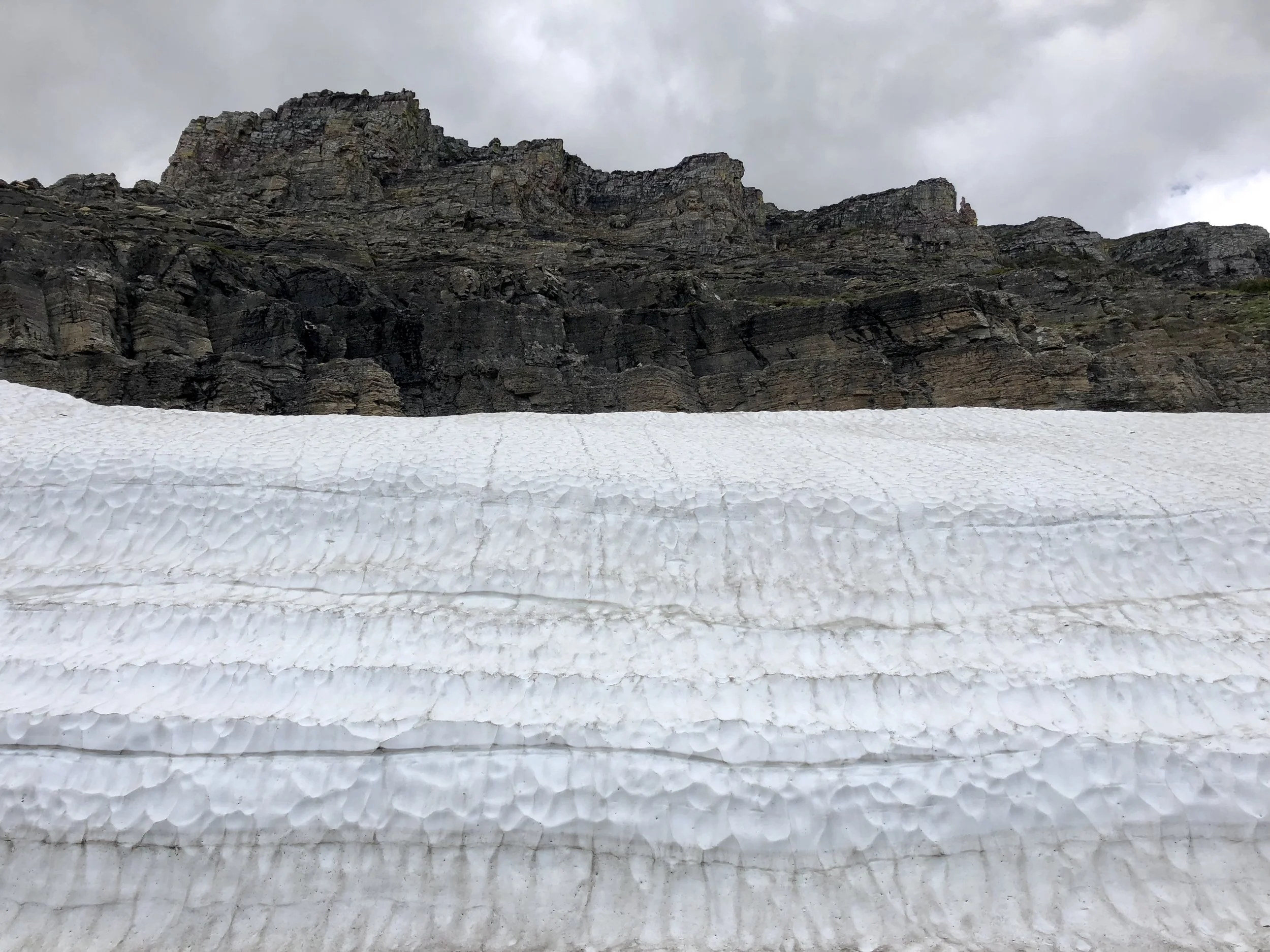
It's hard to distinguish a glacier from a snowpack at first glance, but glaciers are made of ice. This is snow butting up against a rock face. Most likely, this will be gone in a few weeks. Glaciers in this park, on the other hand, are at least 7000 years old.
One might wonder why a layperson like me would spend so much time dwelling on such disturbing news? I do have a reason. I think our current social narrative about climate change falls way short of the climate conditions occurring all around us. The situation is no less than an emergency that demands an emergency response, yet we live as if civilization isn’t facing the threat of ecological catastrophe in the coming decades. But it is.
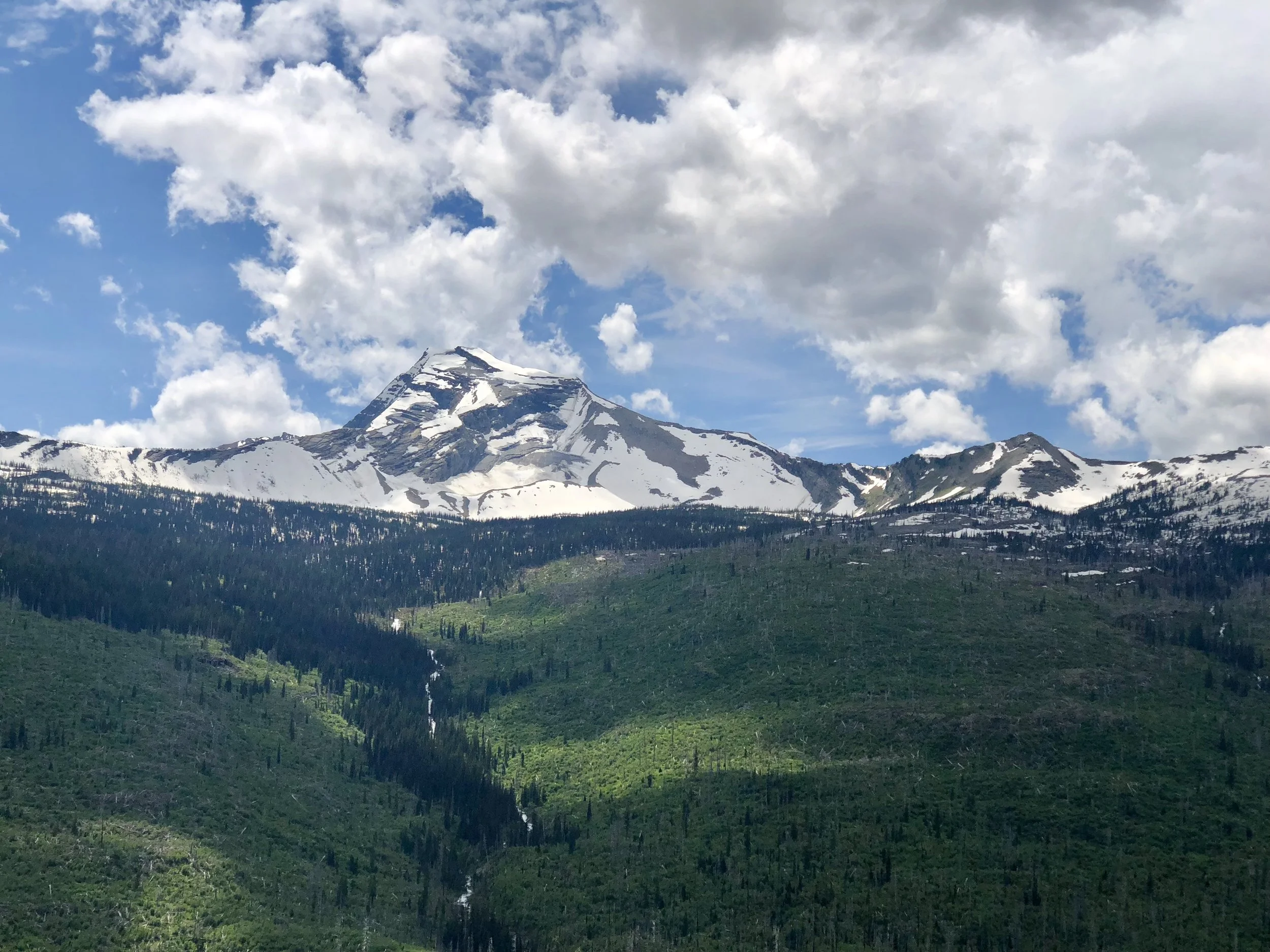
Coming down from Logan Pass on The Sun Road.
In this instance, our capacity for cognitive dissonance may literally kill us. I recently heard a psychologist explain how our social response to climate change (or lack thereof) is a form of "Pluralistic Ignorance." I had not heard this clinical term before, but I saw it's usefulness immediately. Pluralistic Ingnorance refers to how we take cues from those around us to determine the severity of a situation. For example, if someone sitting on a bench in a subway platform in New York City is slumped over with his eyes closed and people are walking by without reacting, most other people will assume that person is simply asleep. Yet, it's possible that person has had a medical emergency or may even have died. But most of us take our cues from others, so if others are not alarmed, we probably will not be either.
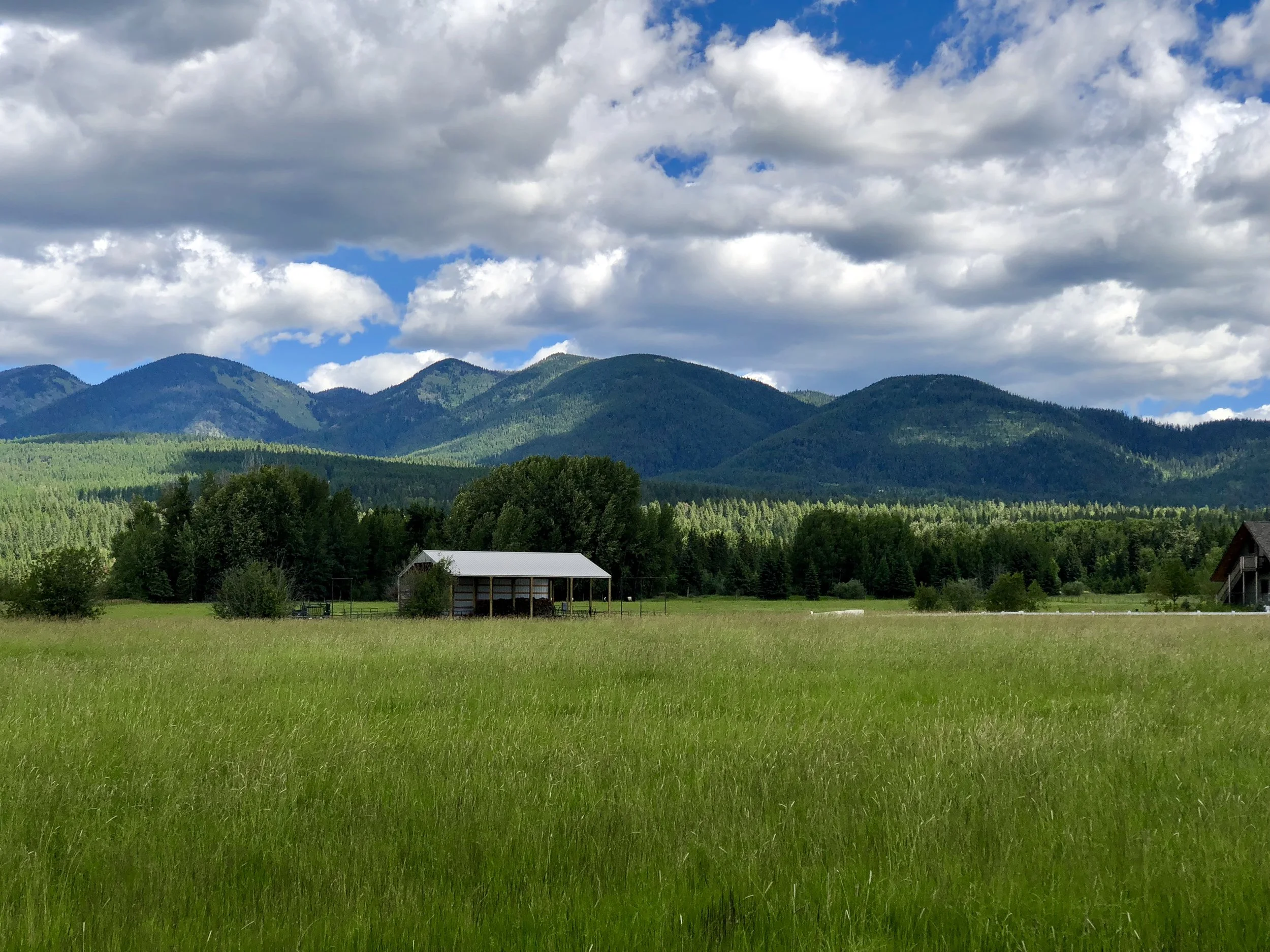
The land to the west of Glacier National Park.
So it goes with climate change. The situation is not good, and we need our social narrative to better reflect our true situation. In the meantime, what can we do? Well, for one thing, we need to talk about our worries, even when others don't wish to listen (or shut down quickly when they do) because the news is so alarming. We need to flip the narrative, so that deniers are the crazy ones, not those of us who are alarmed. To my mind, being alarmed is the sanest possible response. Of course we should be alarmed. After all, based on the estimates of the most conservative scientists, if we continue our current rates of emissions we will push beyond the outer threshold of the 2 degree Centigrade limit agreed to at the Paris Accord in less than 20 years. Clearly, we have little time to waste if we are serious about reducing emissions.
There are solutions, however. I recently heard climate scientist James Hansen refer to a recently published study that demonstrates we can slow down temperature rise in a significant way if we will start reducing carbon emissions by 3% a year beginning 2022. This is why we need groups like the Citizens Climate Lobby. This citizen led lobby works in every Congressional District in the US and up to 90% of all Congressional members have been visited by groups of climate lobby constituents. The ask is a carbon fee and dividend legislative proposal that would place a fee on carbon based fossil fuel at the point of sale and then redistribute that fee as a dividend to help taxpayers offset increased energy costs (driving renewable energy to become more plentiful than carbon based alternative). This market based plan appeals to both parties, and can be a true bipartisan solution to climate change (the only kind of legislation that will last in the current political climate). Check it out here.
Thanks for reading. More to come.
Glacier to Seattle, Post 4
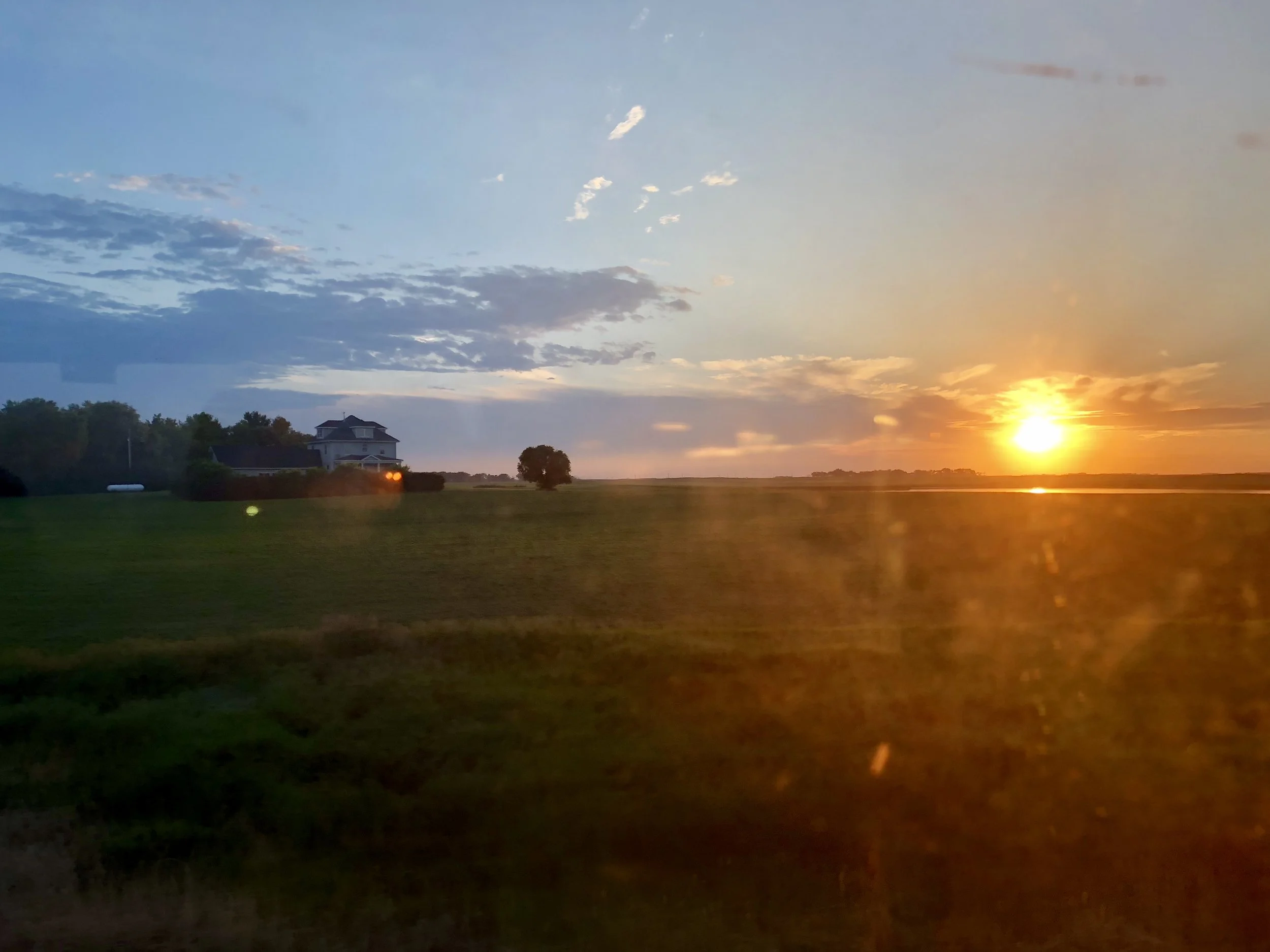
Minnesota sunset from the window of the train.
The rain finally passed and the temperatures stayed cool, so my arrival Into Minneapilis was dry and comfortable. But there was flooding on the St Croix. It's amazing what "rain bombs" can do these days. Fueled by additional water vapor, clouds can dump enormous amounts of water in short periods of time. With increased surface temperatures, there is increased humidity as more water is drawn into the atmosphere, and sudden and violent downpours are increasingly common.
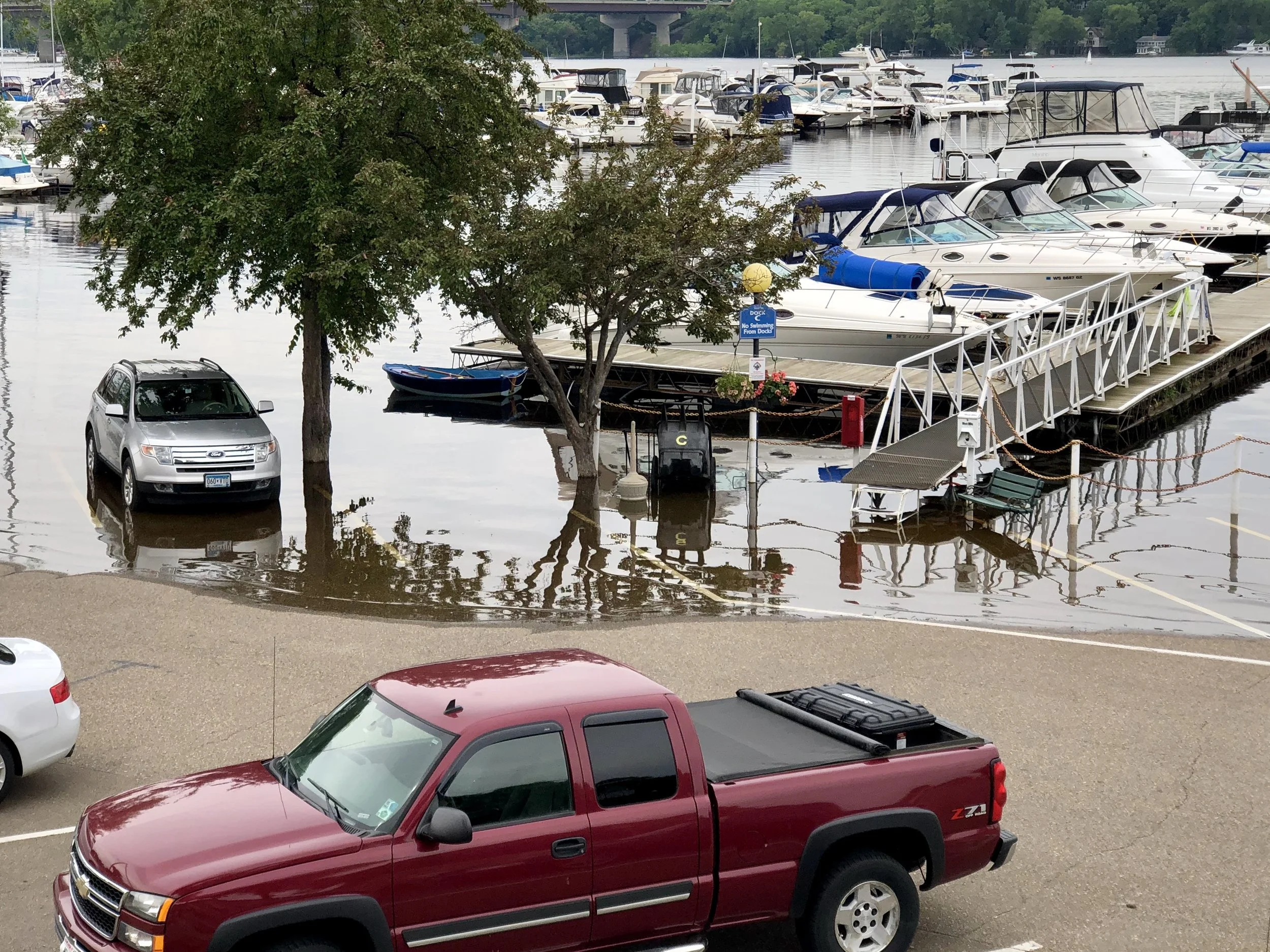
The waterline encroaches on a parking lot on the St. Croix River East of Minneapolis.
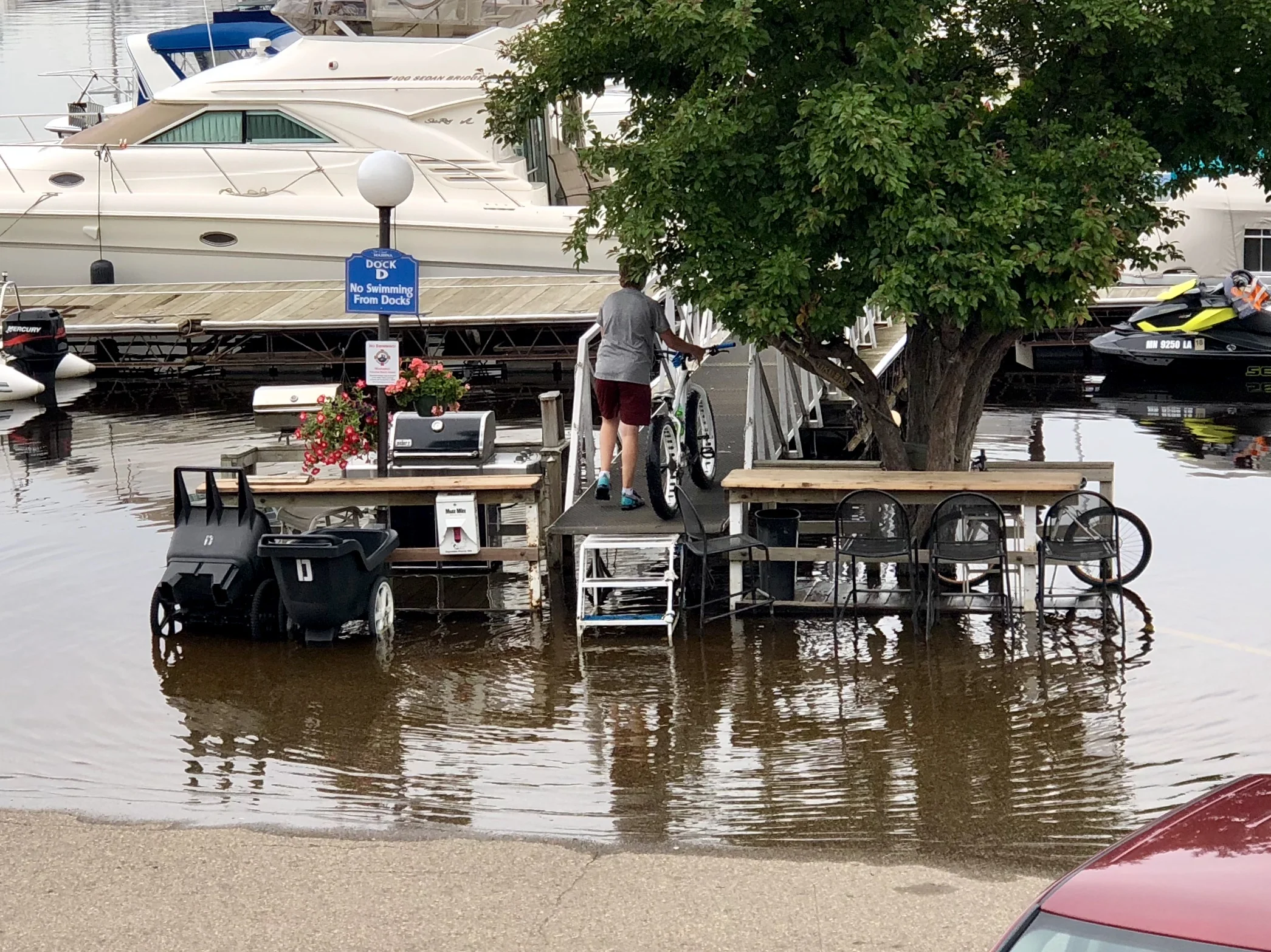
I watched this young man lift his bike up over the waterline in another section of the same parking lot, but wasn't able to get a photo until after he had waded through the water and made it up the steps.
After two days in Minneapolis, I boarded the Empire Builder on Amtrak.
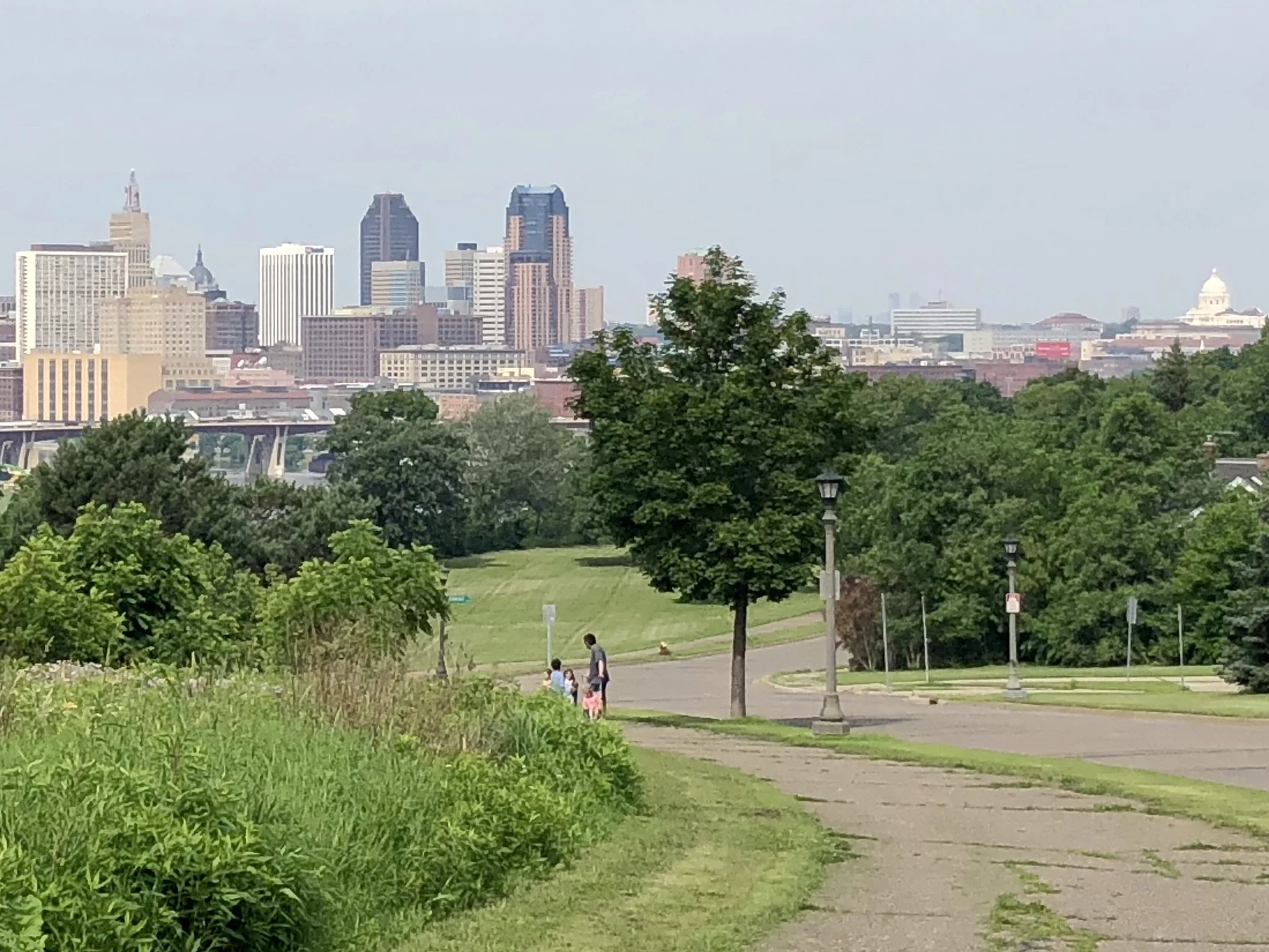
Minneapolis vies with Portland for the most bike friendly city in the US; I was able to travel through much of it on bike paths. They are plentiful and well kept.
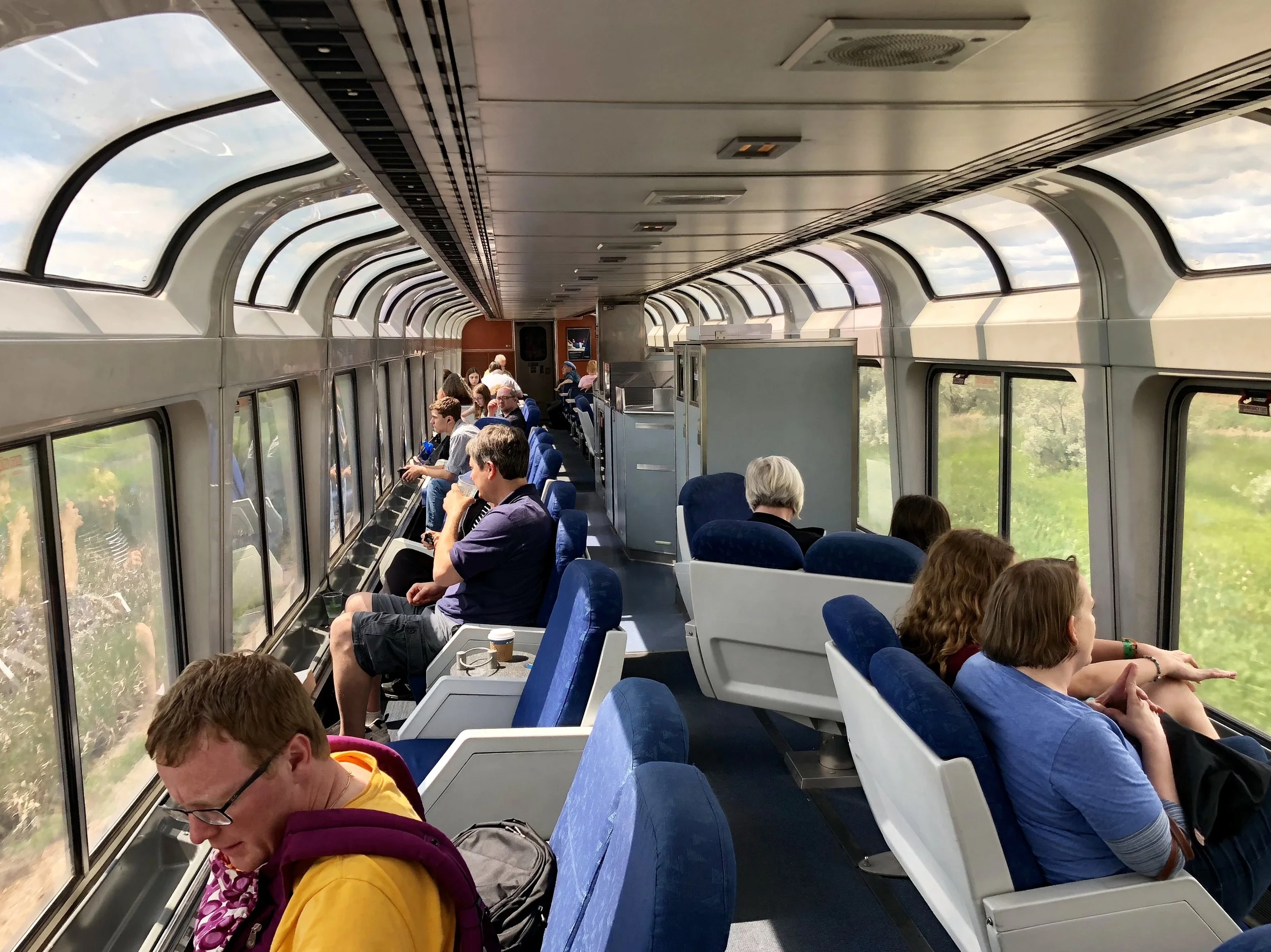
The sightseeing car is a pleasant feature of the Amtrak Empire Builder.
This iconic line has been around since the early days of the railroad and was used to get Easterners out to National Parks around the turn of the 20th Century (think Ken Burns). I am very appreciative of Amtrak's bike boarding service on this line. For $20 one can walk a bike to a baggage car where it is strapped to a special rack. No boxing and no adjustments - a perfect setup for a long distance cyclist. It's amazing how fun train travel can be. People are mellow - they are there because they want to be. Things are not rushed; it's a reach back to a time when we had time, and when traveling on the surface of the earth looking out the window was considered worthwhile. I guess I still have a little kid in me; I like watching out the window.
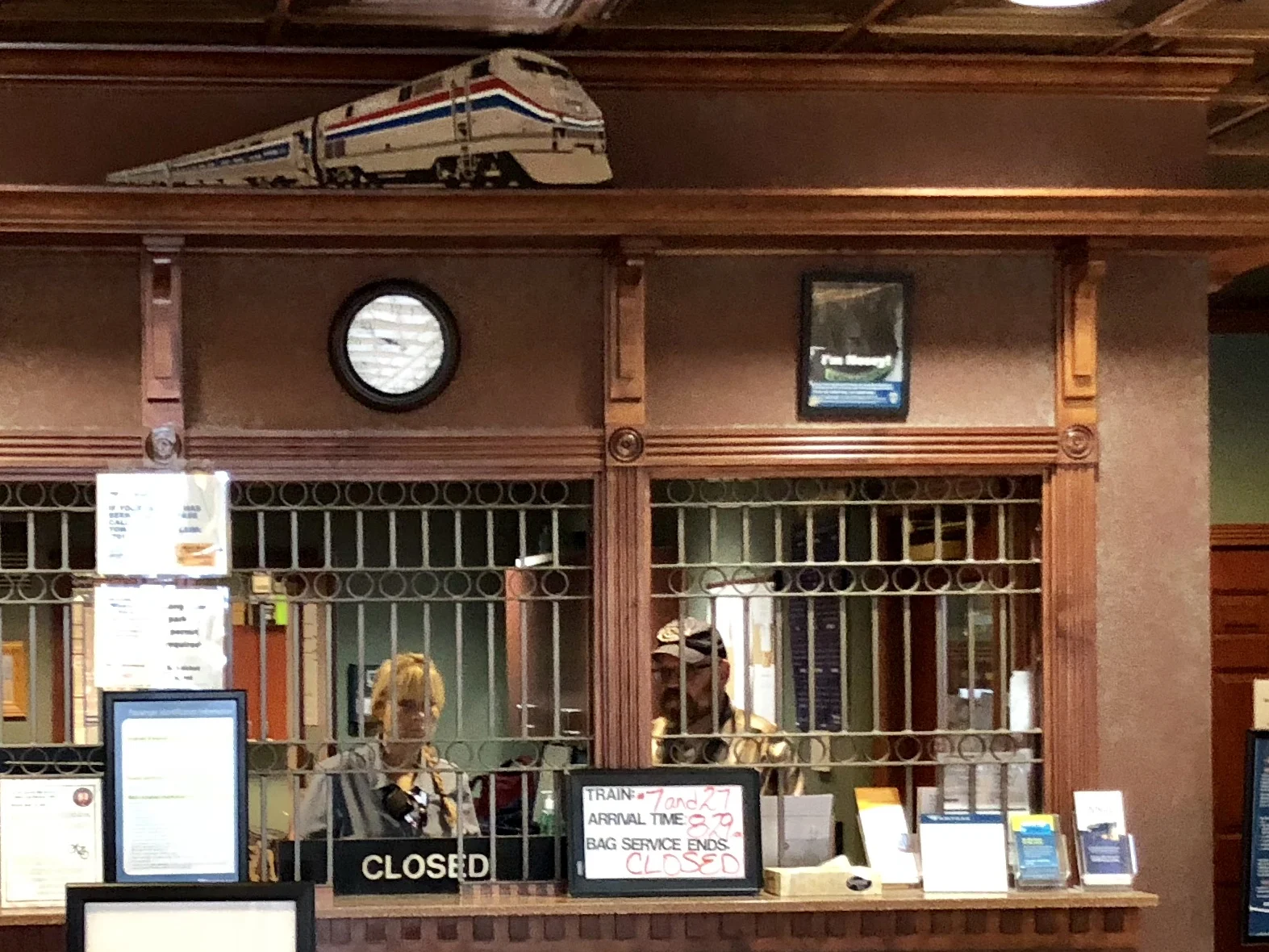
Train Depot in Minot, North Dakota
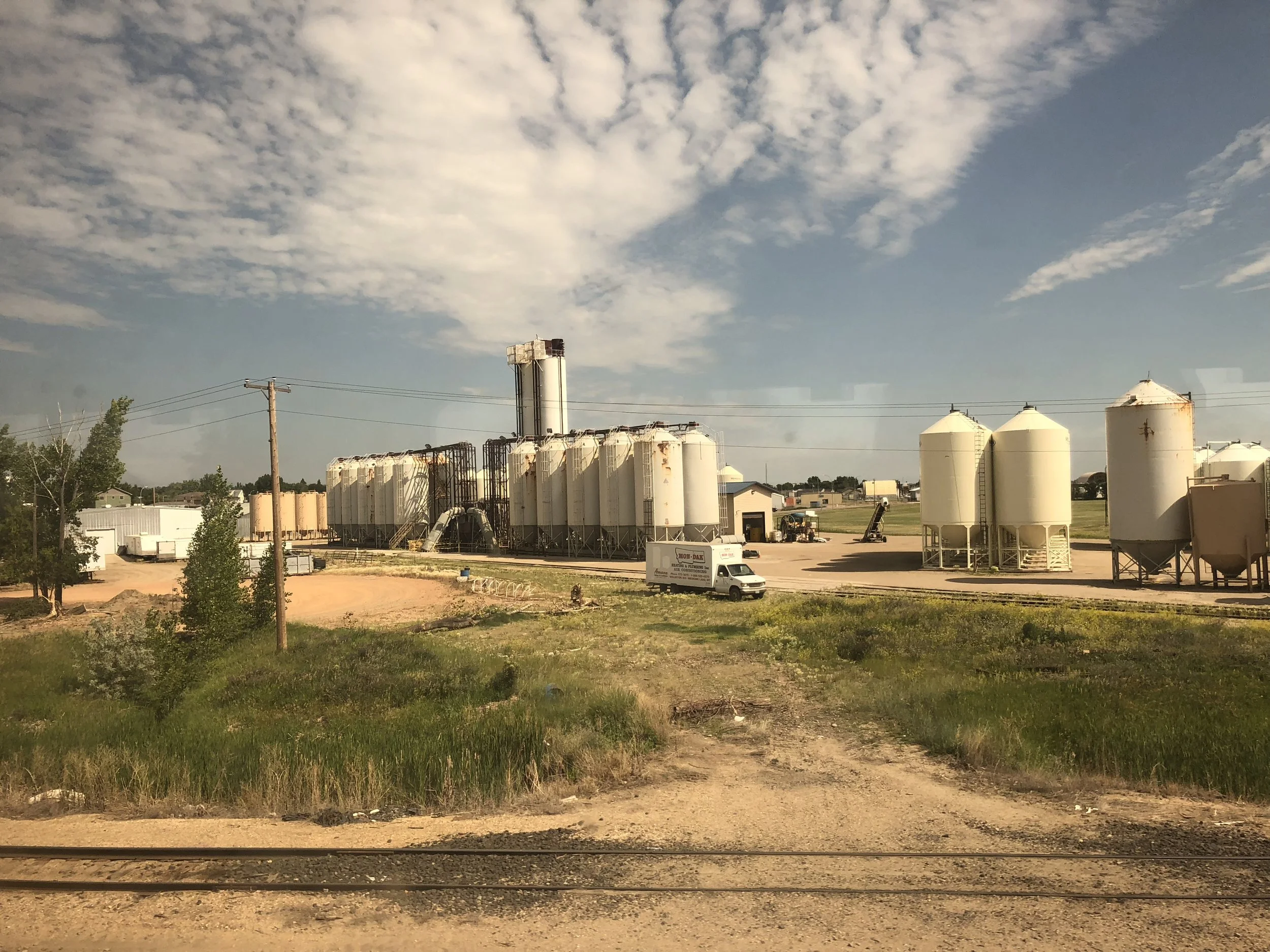
View from the train at Williston, North Dakota
The Empire Builder begins in Chicago and is timed to pass through Glacier National Park just in front of the sunset. I got out (two days after the summer solstice so daylight hours were long) in East Glacier, Montana.
I had prearranged a place to stay because I would be arriving around 7 pm, and "The Road to the Sun" (more on that later) had just opened so I thought there might be a tourist rush on lodging in this small town. I was wrong but I wasn't disappointed with my digs.
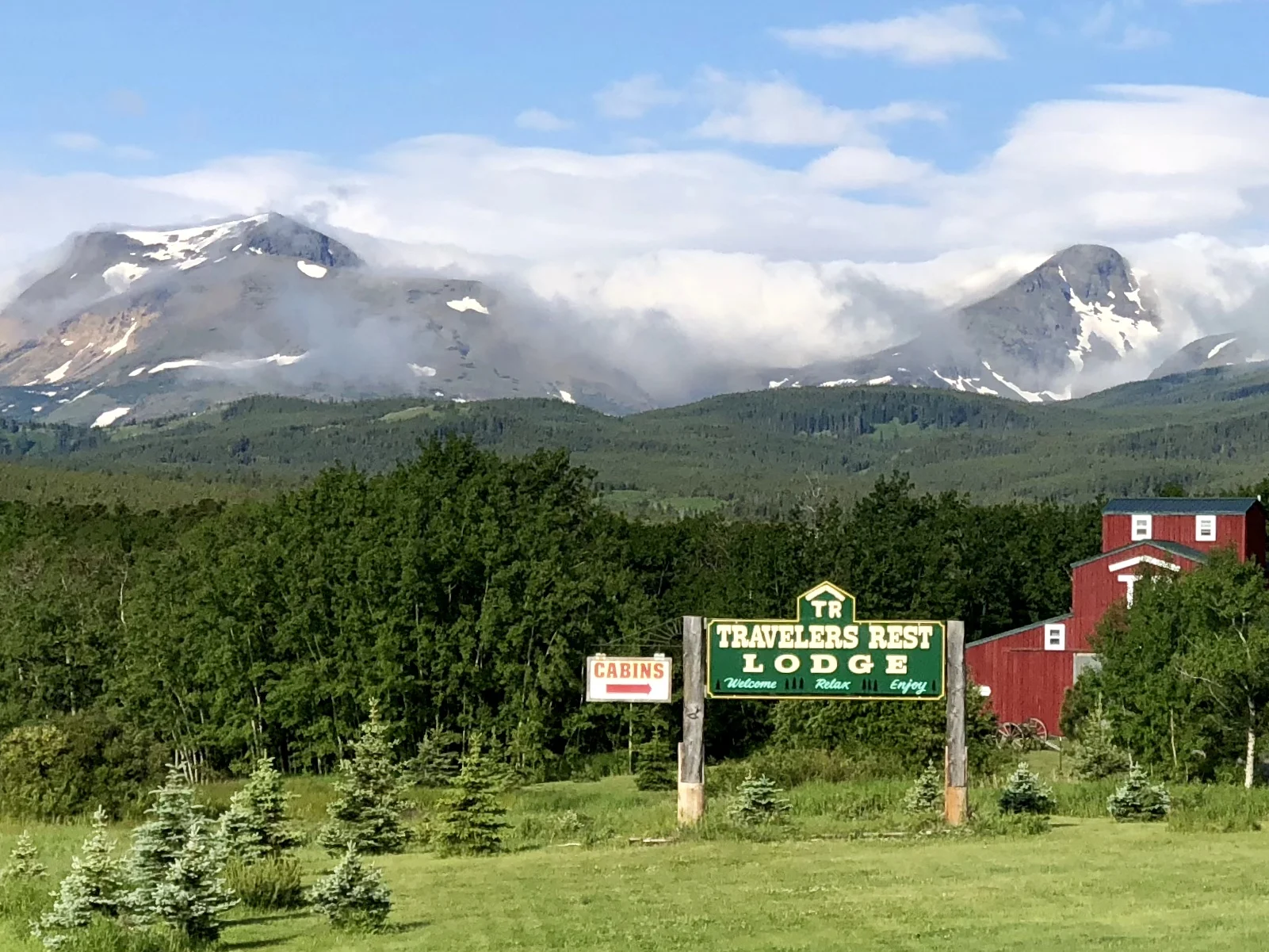
Today was stunning. I pedaled up "Looking Glass Hill" on my way north to St. Mary's, where the eastern side of "The Road to the Sun" begins its long trek up to the Continental Divide and beyond to the west side of the Park. There were many great views along the way.
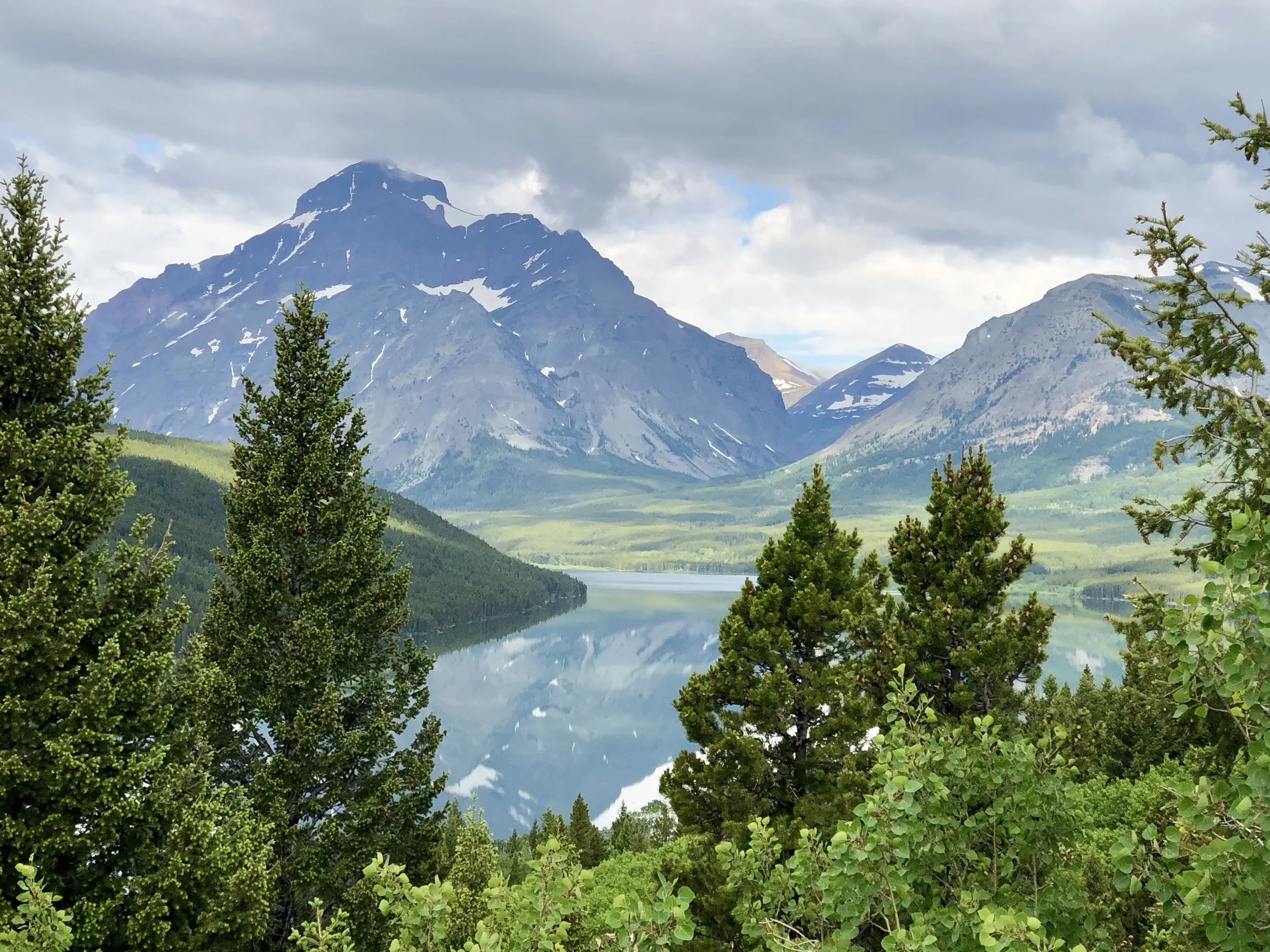
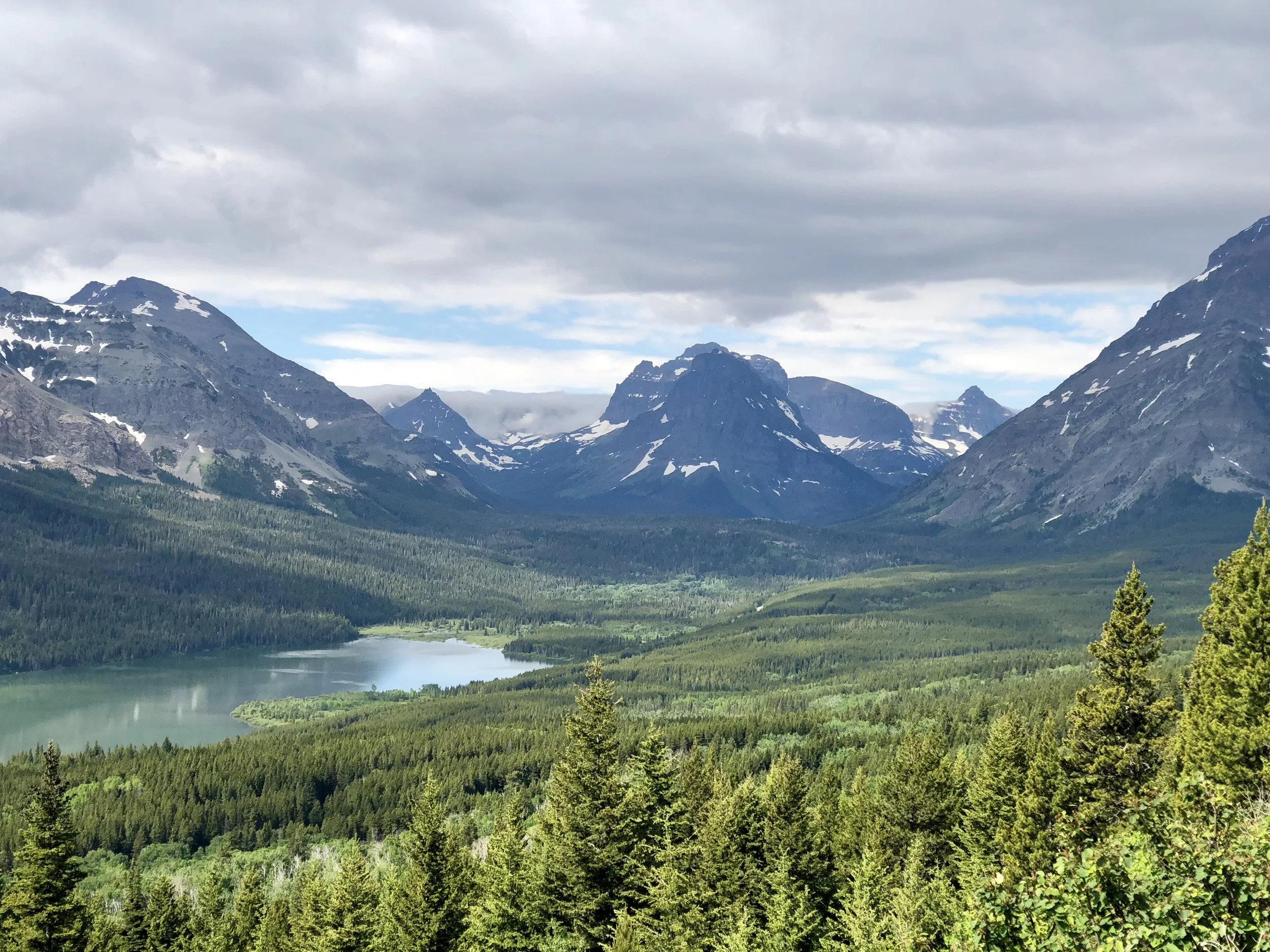
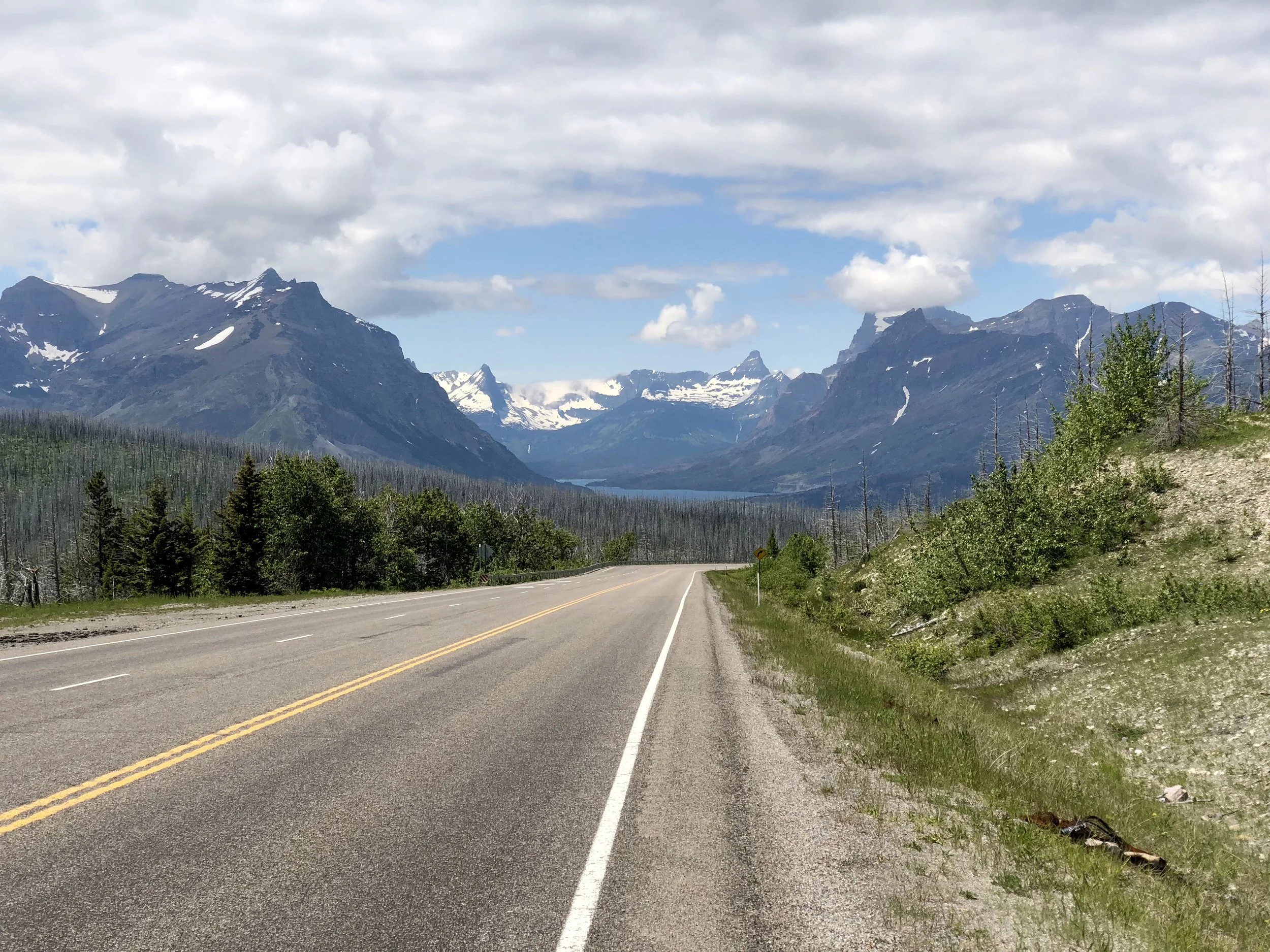
This Park is massive, and has no fewer than six regions in which one can backpack, boat, and view the 26 remaining glaciers.
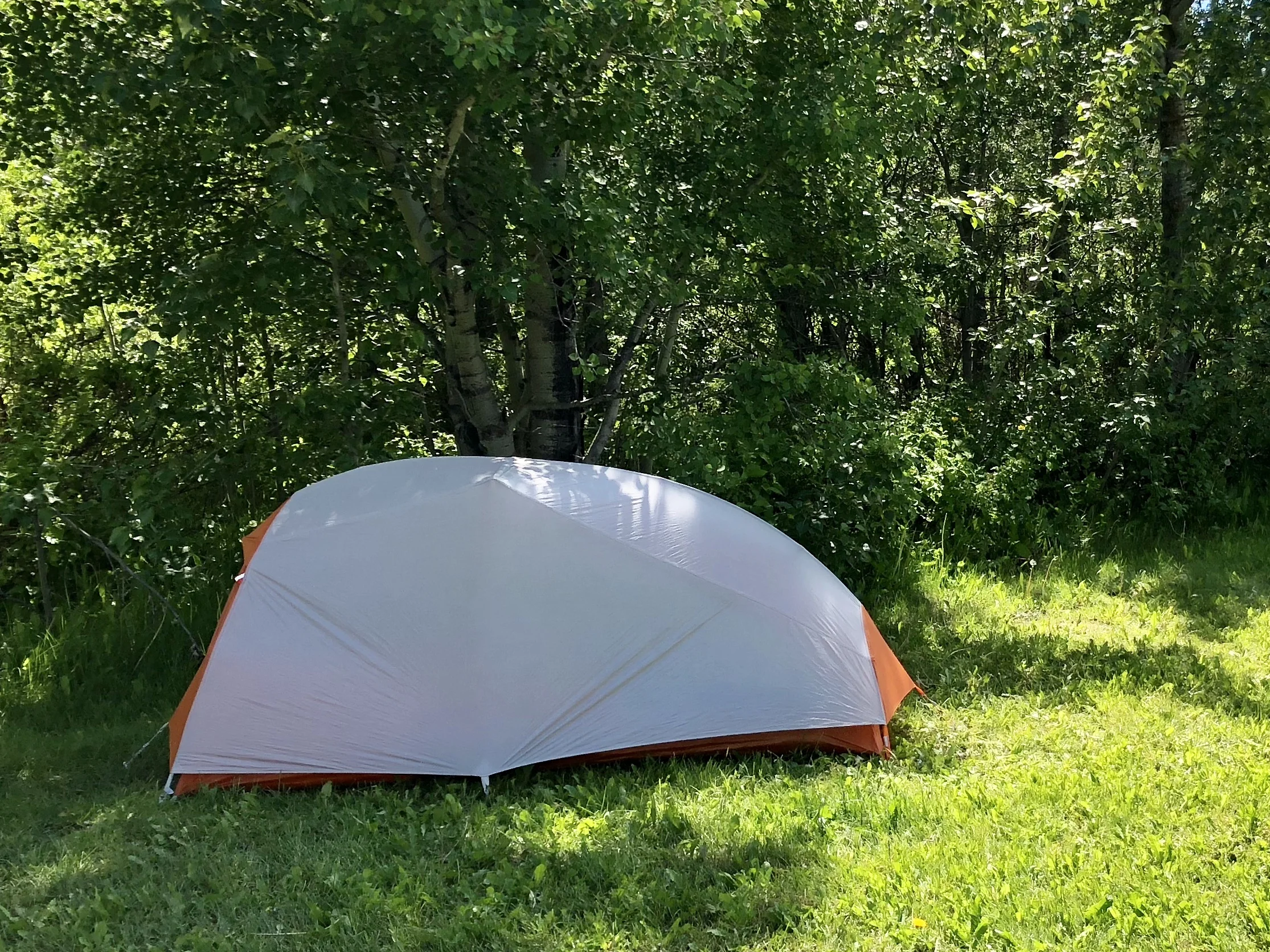
My digs in the Johnson RV Park in St Mary's. First time I've used my tent since I started this trip.
The Visitor Center at the east entrance of the park is superb. I spoke to a thoughtful young ranger who was very supportive of my desire to learn more about the glaciers. Some of the facts she verified I have already shared here in a limited form. In 1850 there were 150 glaciers in this park region. Now there are 26. All of the glaciers are smaller then they were in 1970, many of them are up to 80% smaller. Some scientists predict their full disappearance by 2020, although others are estimating 2030 or beyond depending on emission scenarios. Literature (including signage) at the Park says either 2020 and 2030, depending what one is reading. Whatever the reality is, if you want to see the glaciers in this park, plan a visit soon.
The ranger pulled out a notebook full of "repeat photographs". These are contemporary pictures of glaciers in the Park alongside pictures of the same glaciers taken anywhere from 1900 - 1930. All these photographs can be located on the USGS website, and another great website that is similar can be found here.
In closing, please know I think an important solution to the problem of carbon emissions (that are driving the changes here) is the Citizens Climate Lobby. I hope you will check it out at citizensclimatelobby.org.
You can see my route today here.
Thanks for reading. More to come.
Glacier to Seattle, Post 3
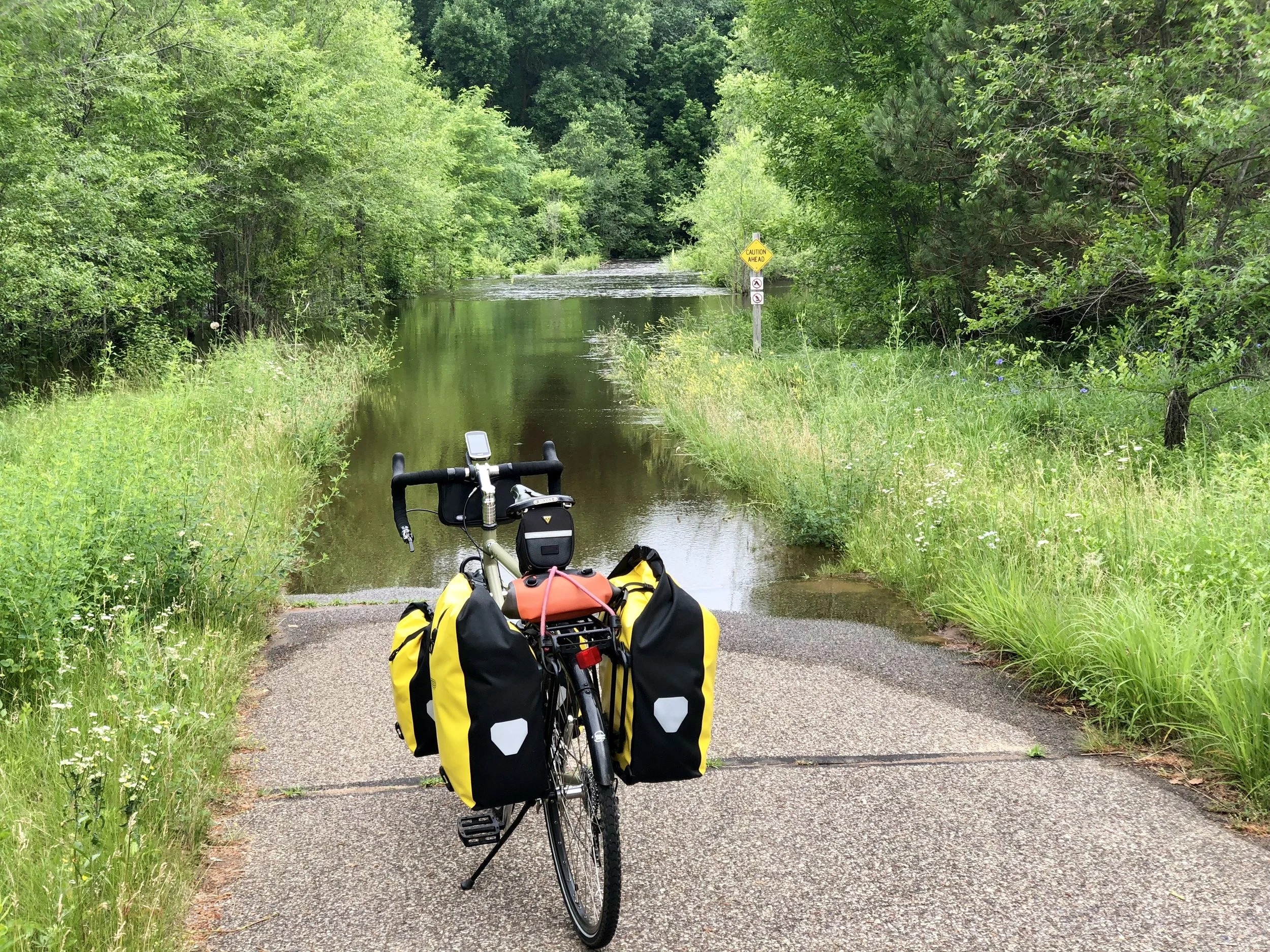
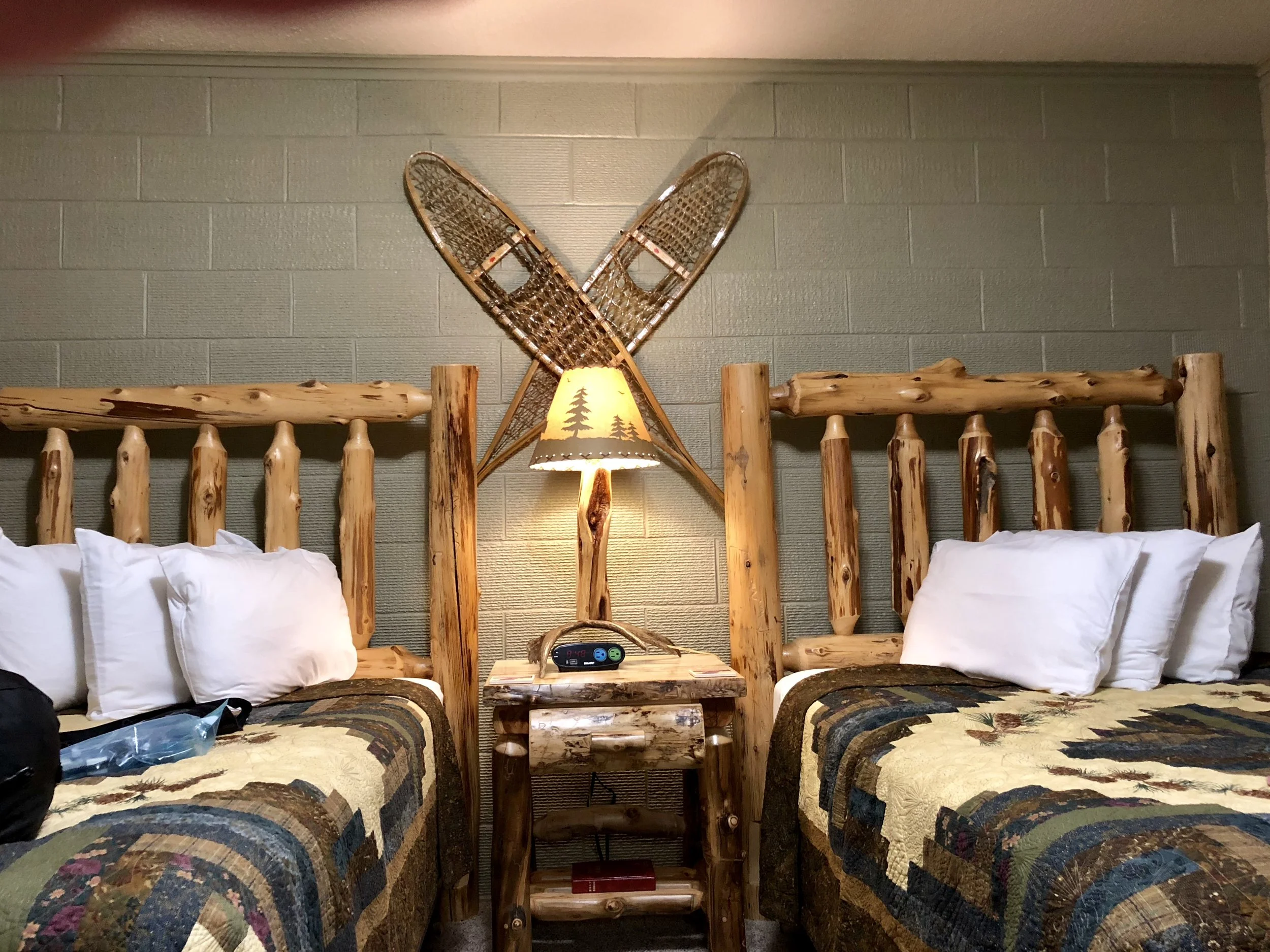
This will be a short post. I'm relaxing in the David Motel Lodge outside Ellsworth, WI.
It has been raining off and on for days, but today the sky began to clear. The sun came out in the afternoon and the temperature hit 88 degrees. I made good time, and expect to get to Minneapolis tomorrow. You might enjoy checking out my road cycling activity on Garmin Connect.
However, I had to reroute myself several times because the Chippewa River bike trail has been washed out in many places.
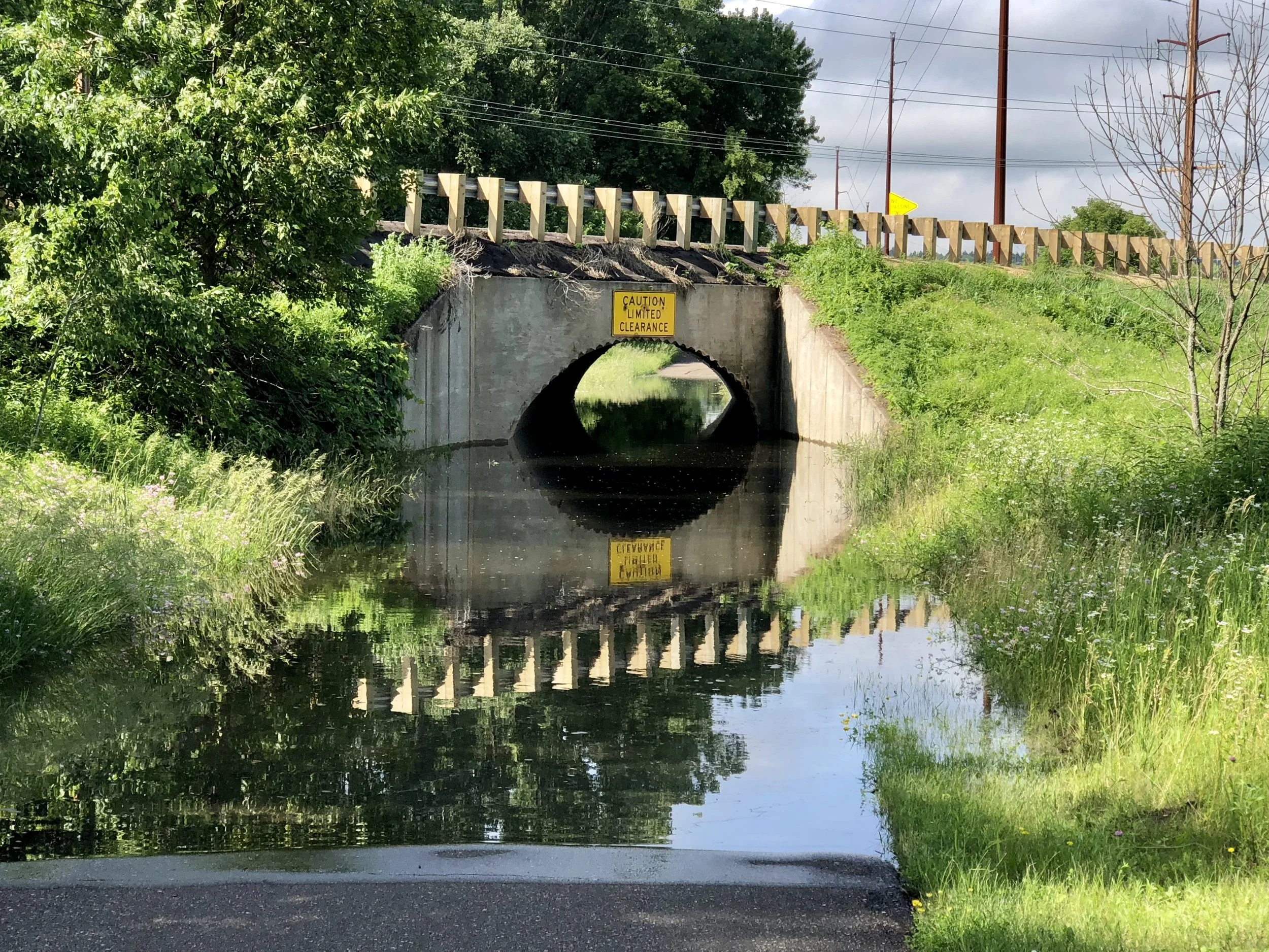
Looking west at an underpass on the Chippewa Falls Bike Trail.
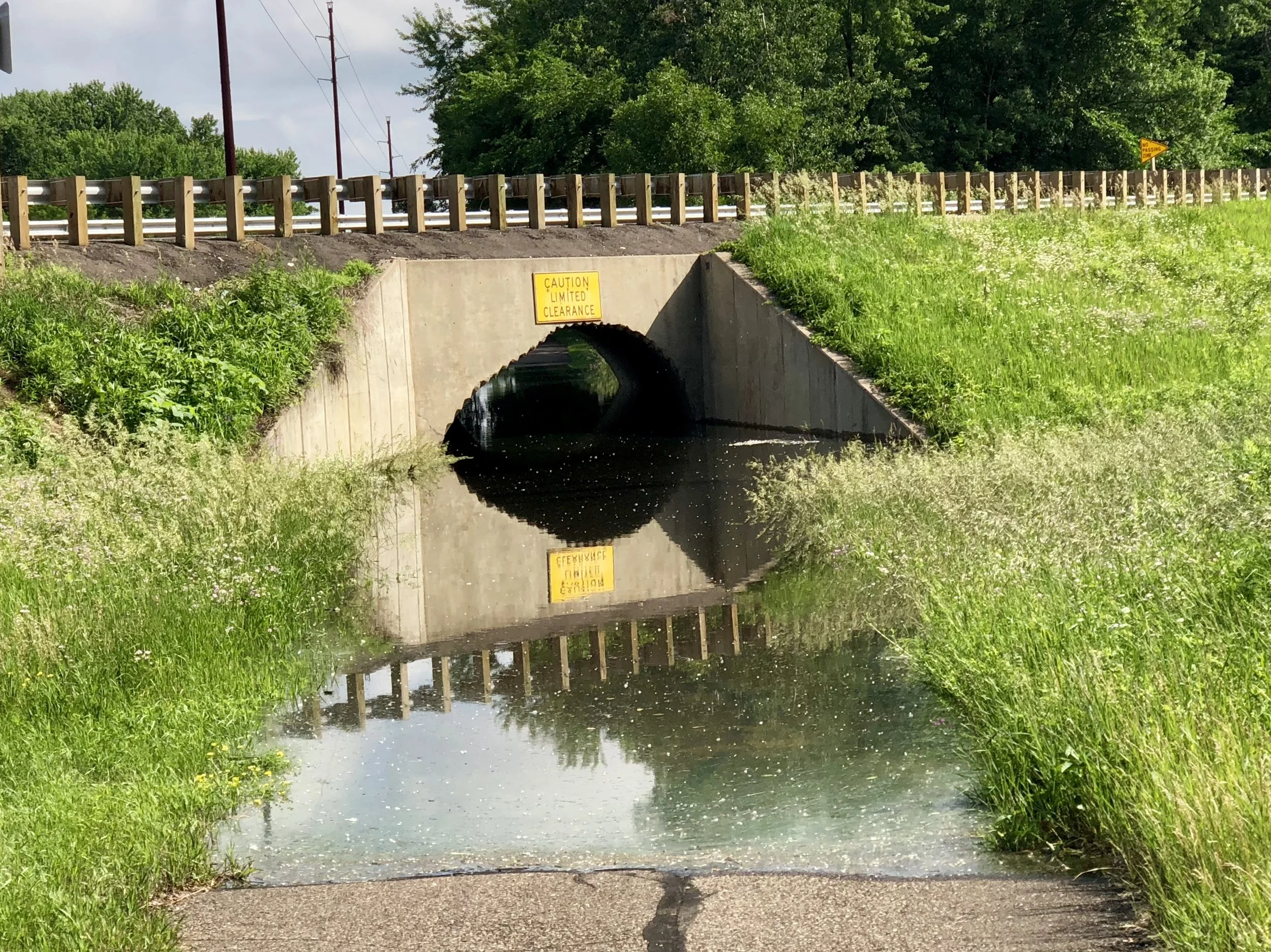
Looking east at an underpass on the Chippewa Falls Bike Trail.
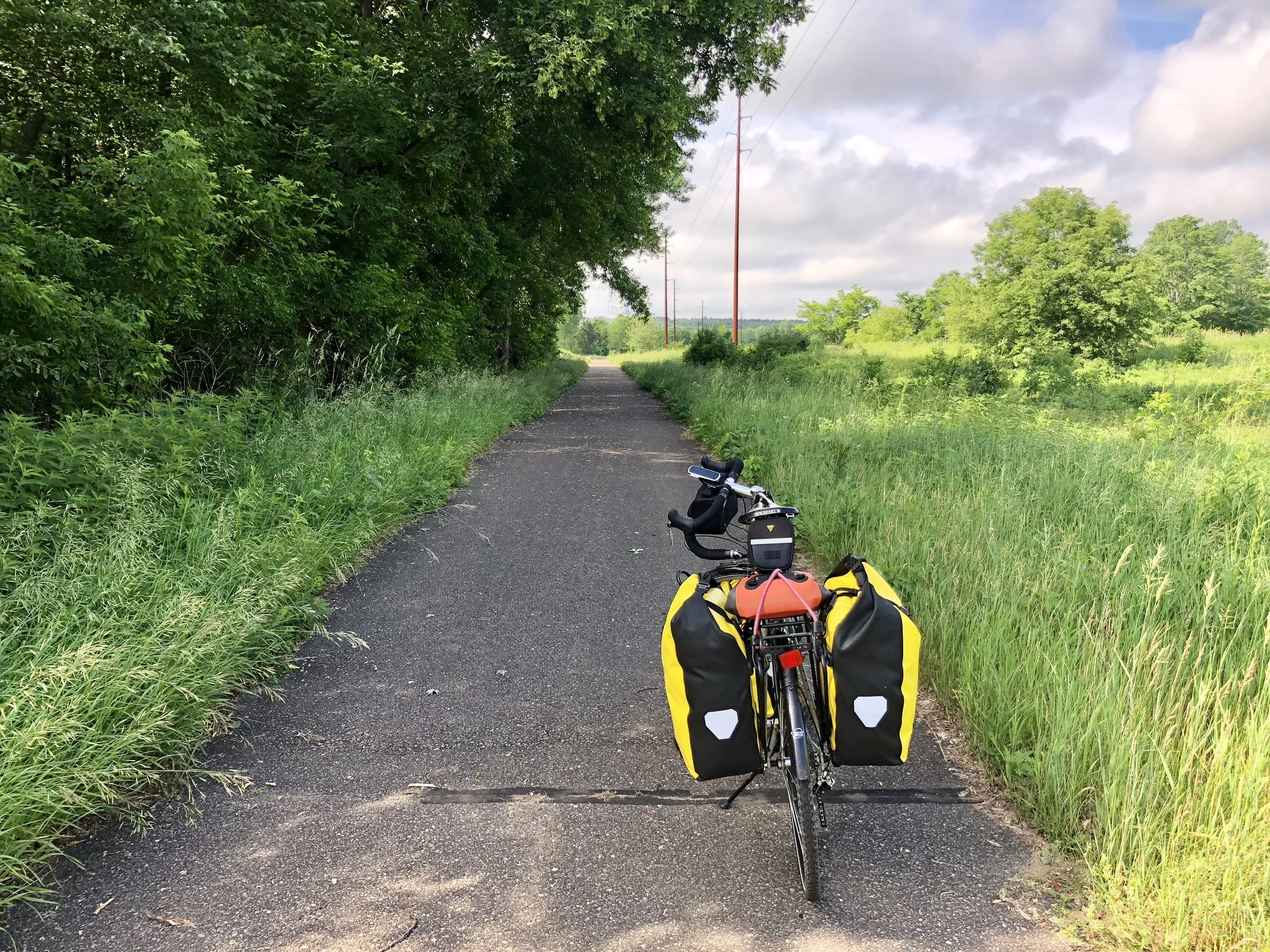
Looking west away from the underpass.
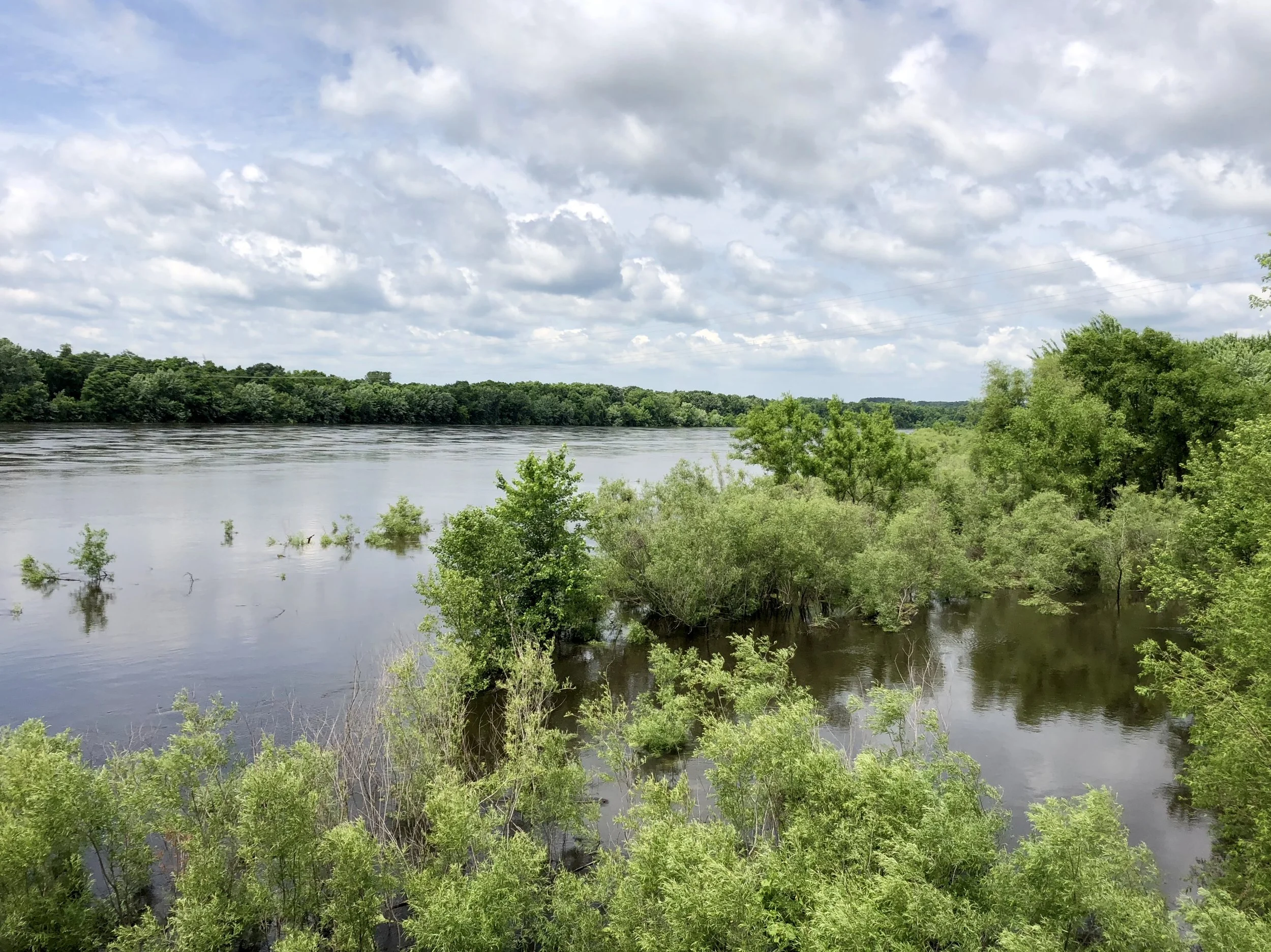
Another shot of the swollen Chippewa River.
A local gricery store manager told me that 15 inches of rain fell on Saturday night in Durand, WI, so I checked it out.
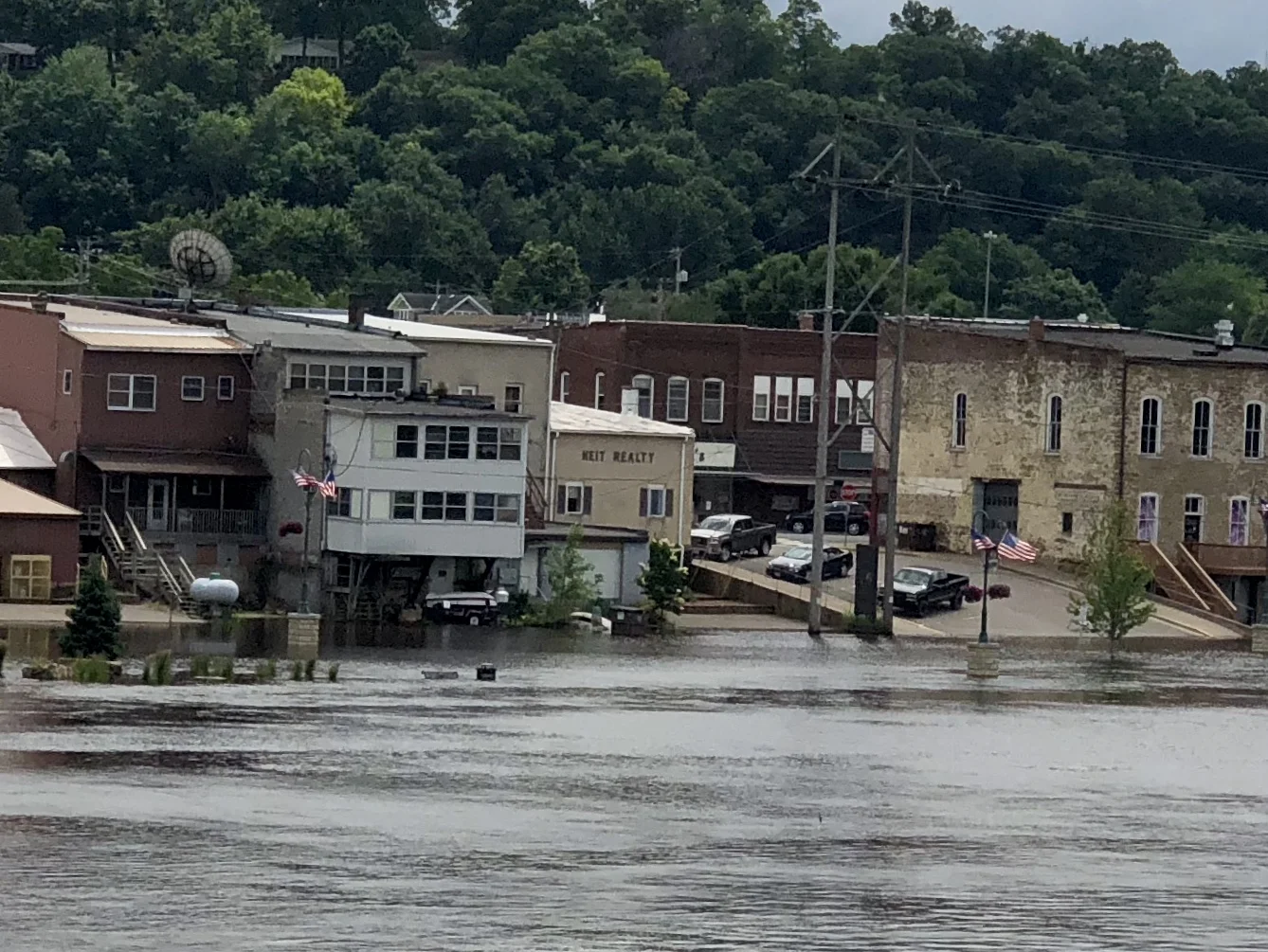
He was right. Four days later Durand is still flooded by the swollen Chippewa River.
In spite of the challenges, I am warm, dry, well fed, and just finished a very, very good beer. Earlier today I was reminded of a quote by EB White:
"Every morning I awake torn between a desire to save the world and an inclination to savor it. This makes it hard to plan the day.
But if we forget to savor the world, what reason do we possibly have for saving it? In a way, the savoring must come first".
Thanks for reading. More to come.
Glacier to Seattle, Post 2
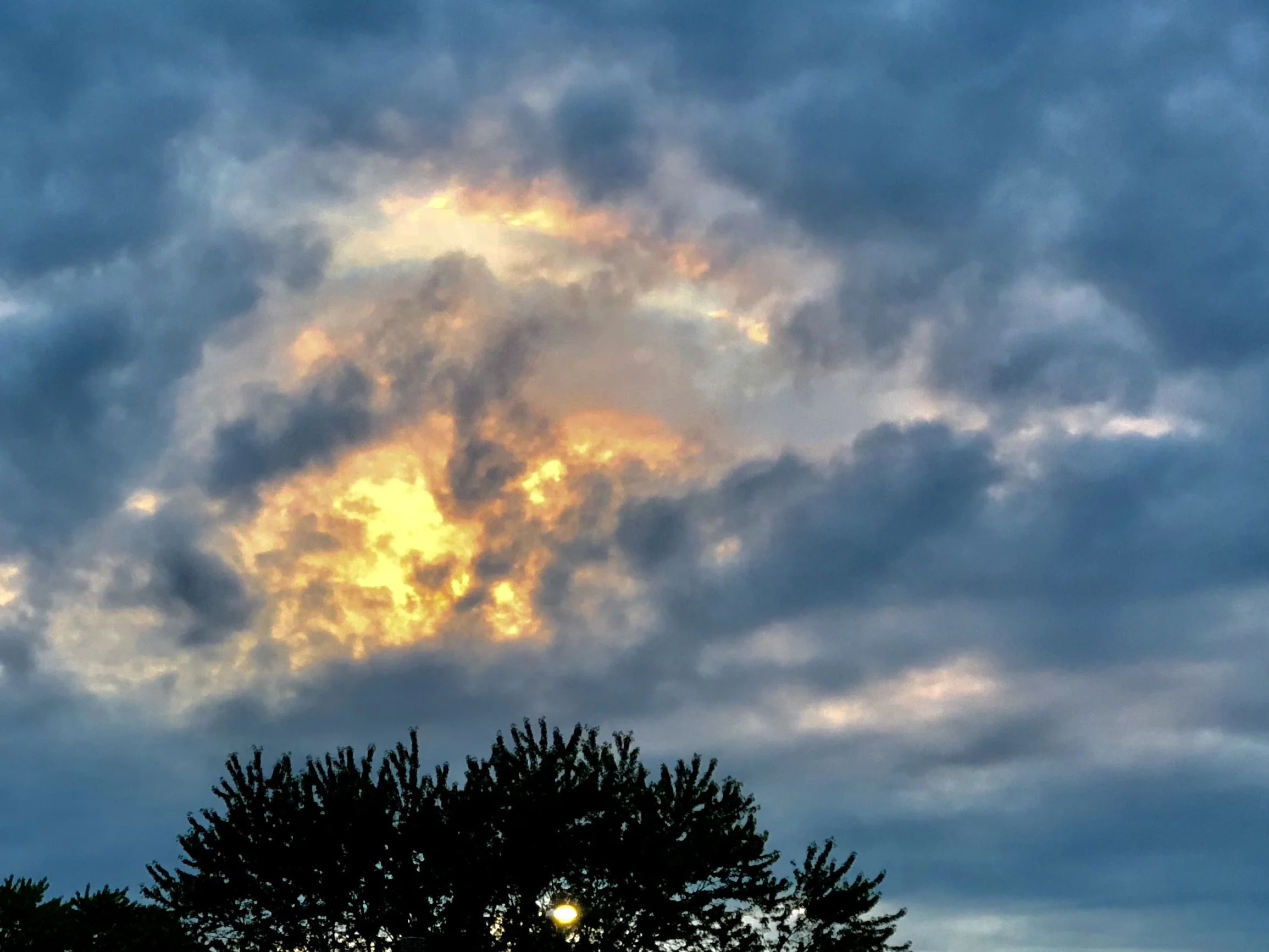
The sunset in Abbotsford, WI, was beautiful. I went to bed thinking Tuesday would be a beautiful day, but I awoke to extreme rain, and to the news that there was more damage to the west and north. A friend sent me a photograph taken in the UP of Michigan near Houghton.
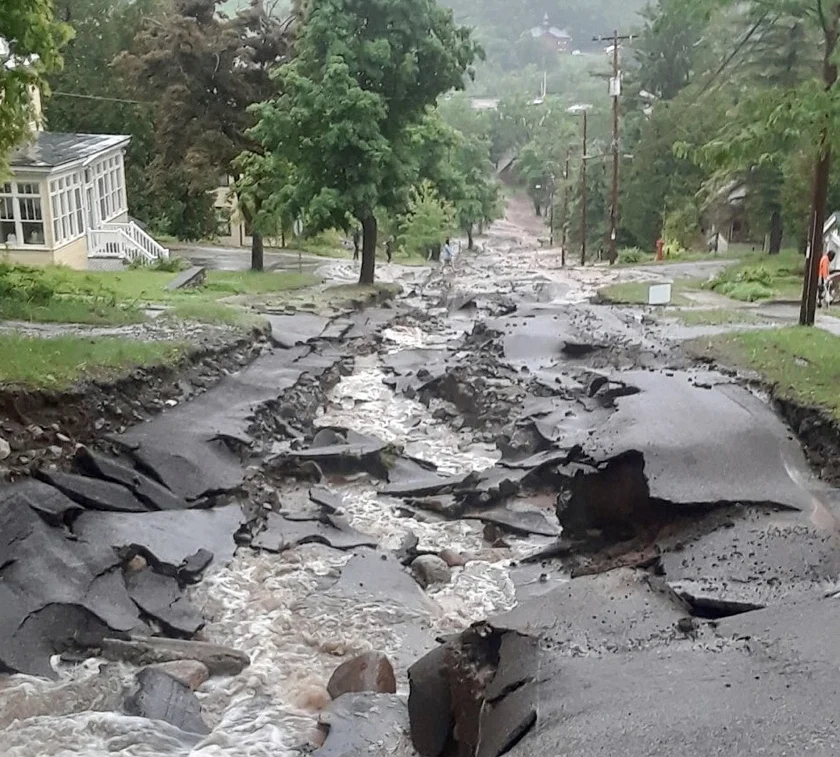
Houghton, MI. This is how extreme rain can ruin a road.
The rain was coming down hard, so biking wouldn't be safe. I waited. The rain tapered off, and finally I left for Eau Claire, some 69 miles to the west. Like yesterday, I was lucky, and except for a few drizzles, I stayed dry all day. And cool. For the first time since I arrived in the Midwest last Friday, the temperature didn't go above 77 degrees. It was a good day for biking, and I covered some distance. You can check my Garmin Connect here:
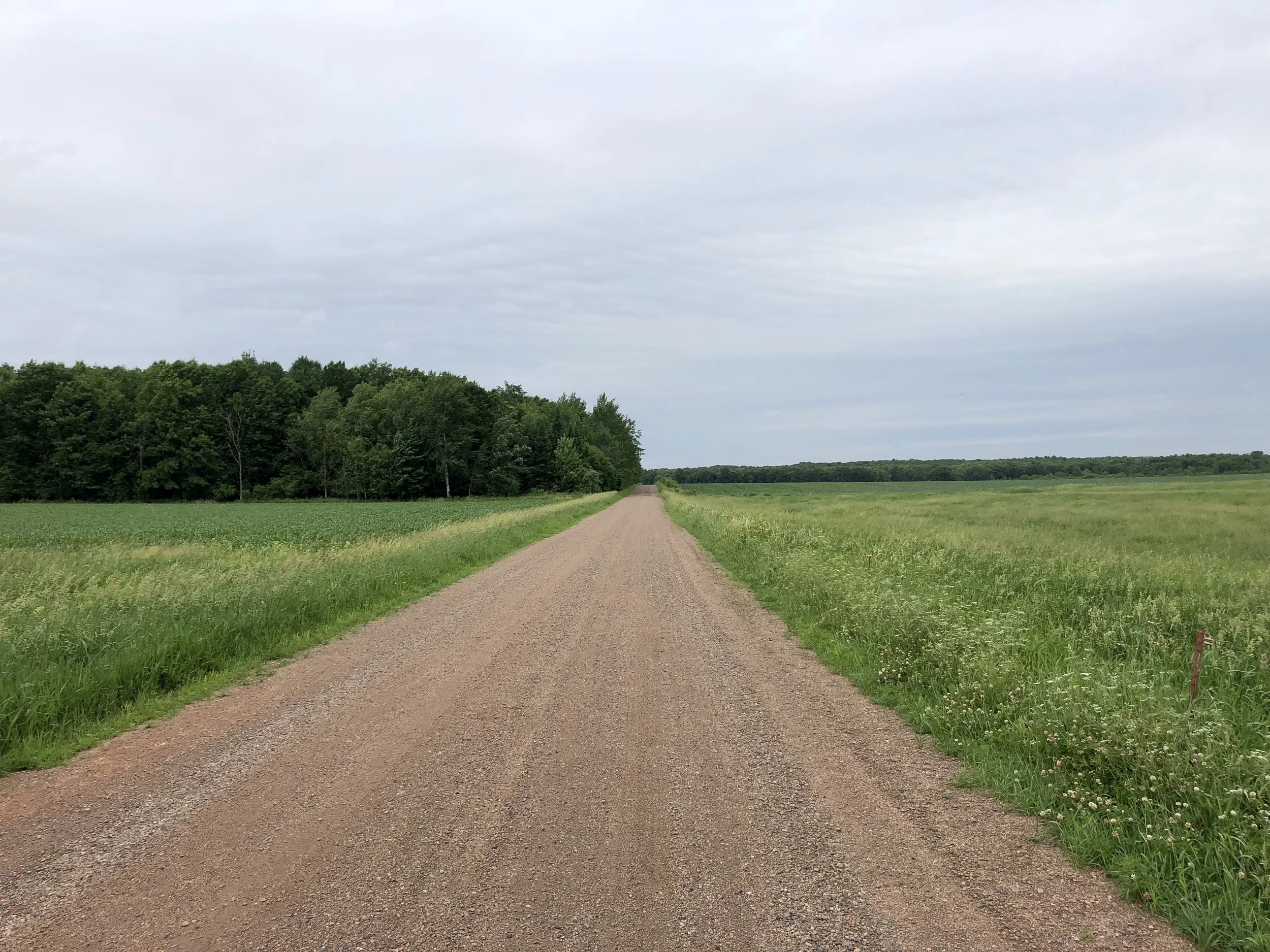
I had my bike computer set to avoid major highways, so it put me on this gravel road heading west. Under dry conditions it wouldn't have been so bad, but the rain made it soft under the gravel and challenging to cycle on. But one does what one must, so I persevered for about 10 miles until I was able to create an alternative route on County X. That got me all the way to Chippewa Falls, a town to the northeast of Eau Claire. I made my way down to Eau Claire and found a Motel 6, where I am currently relaxing and watching rain out the window.
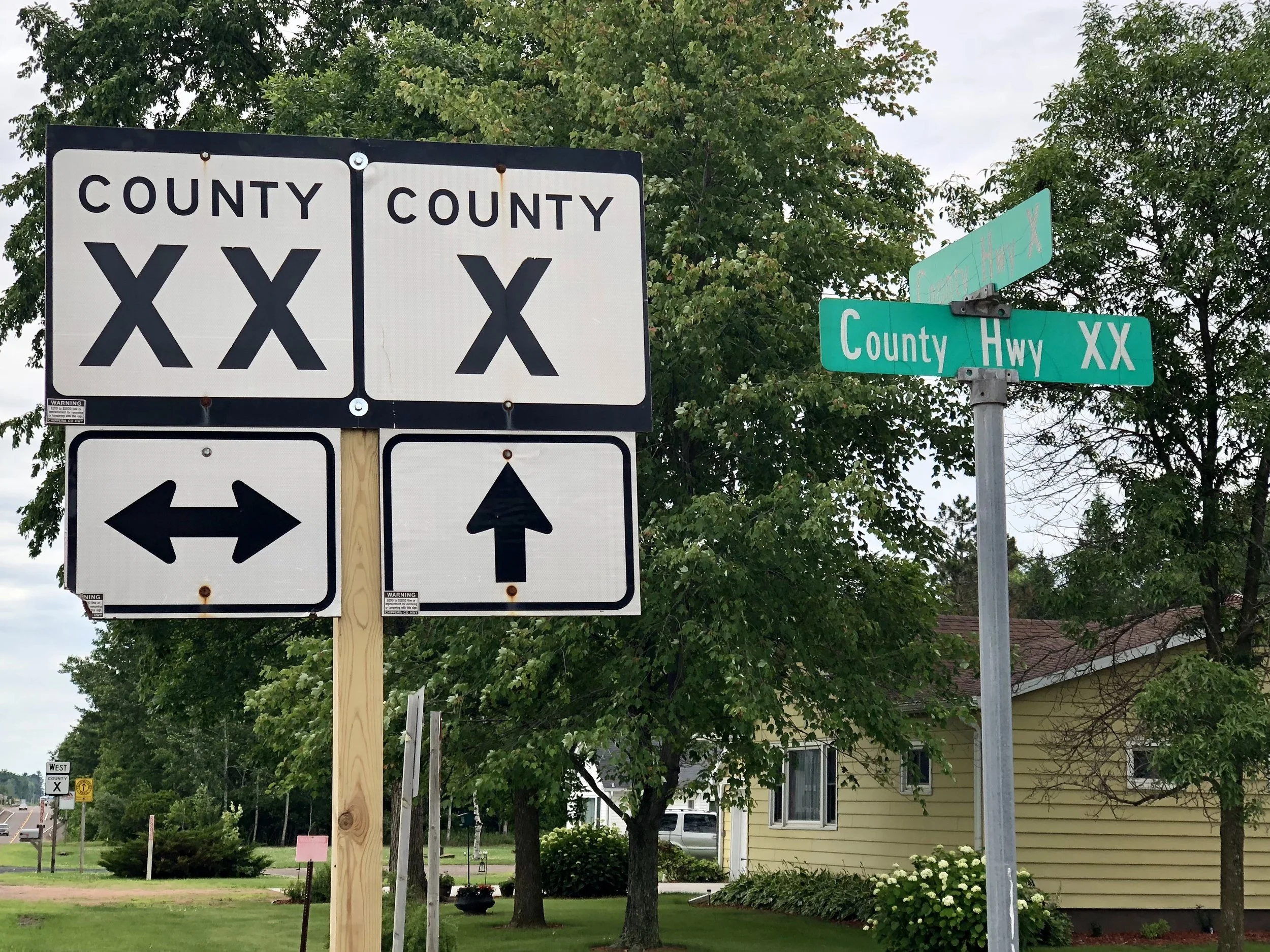
Climate change and extreme weather aside, why are exes so complicated?
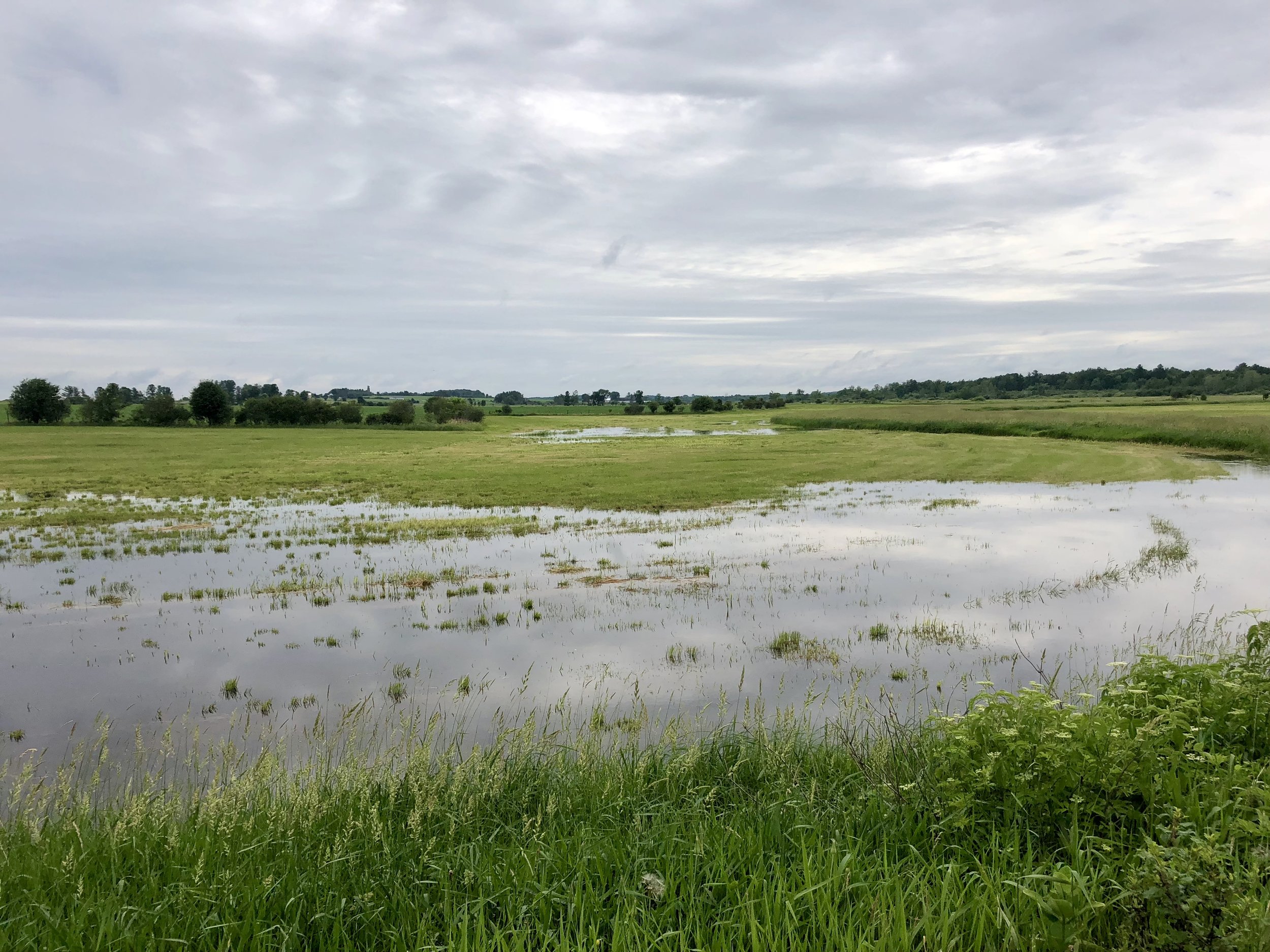
En route from Abbotsford to Eau Claire, WI, fields are inundated. The rain had been more extreme than I had even realized during the night. The problem was most apparent when I got to Chippewa Falls and turned onto a bike path on the Chippewa River.
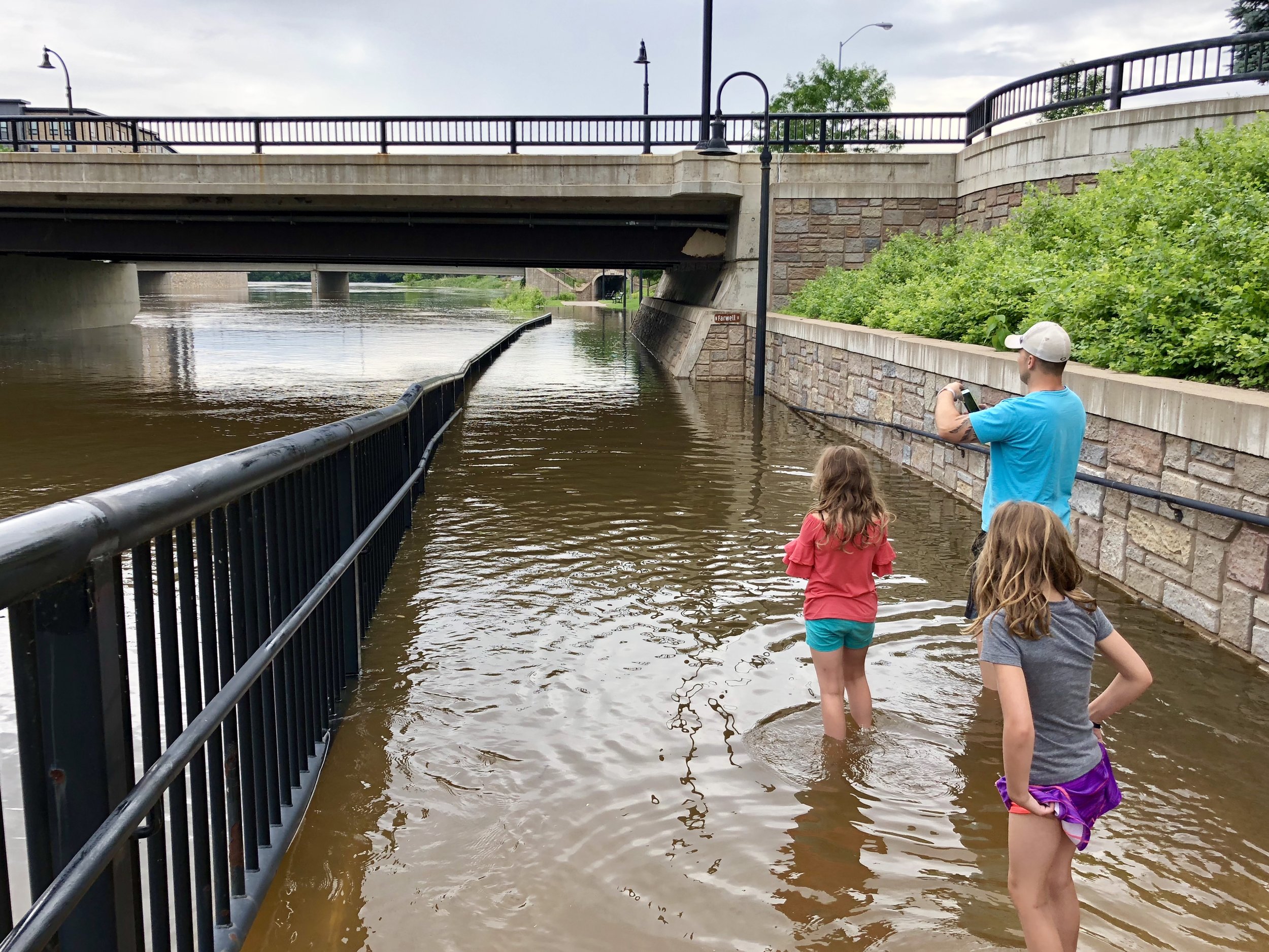
A sign said the bike path was closed, but I didn't know why. And then I noticed a family walking toward the closed path. I followed them, hoping the path was open, even though the sign said otherwise. And then I saw why the path was closed. I asked the father of this family why the water was so high. He answered, "I think it's because of the heavy rain last night." He went on to explain, "Last week the river was at normal levels. I really think this happened last night."
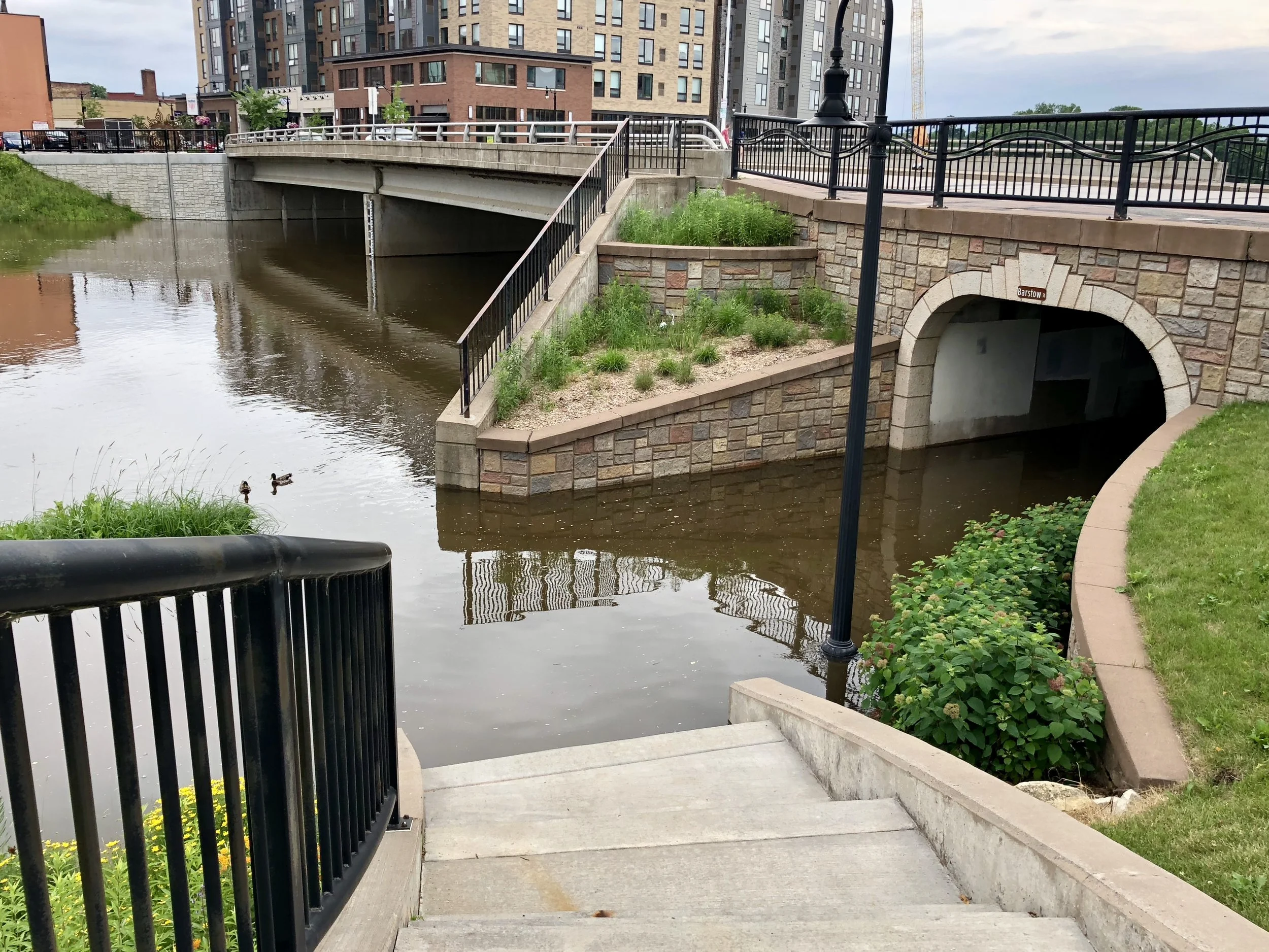
It sure seems like a lot of water for one rainstorm. I tried another route to another section of the path. And I found this. The tunnel to the right at the bottom of the stairs is where the bike path is supposed to be.
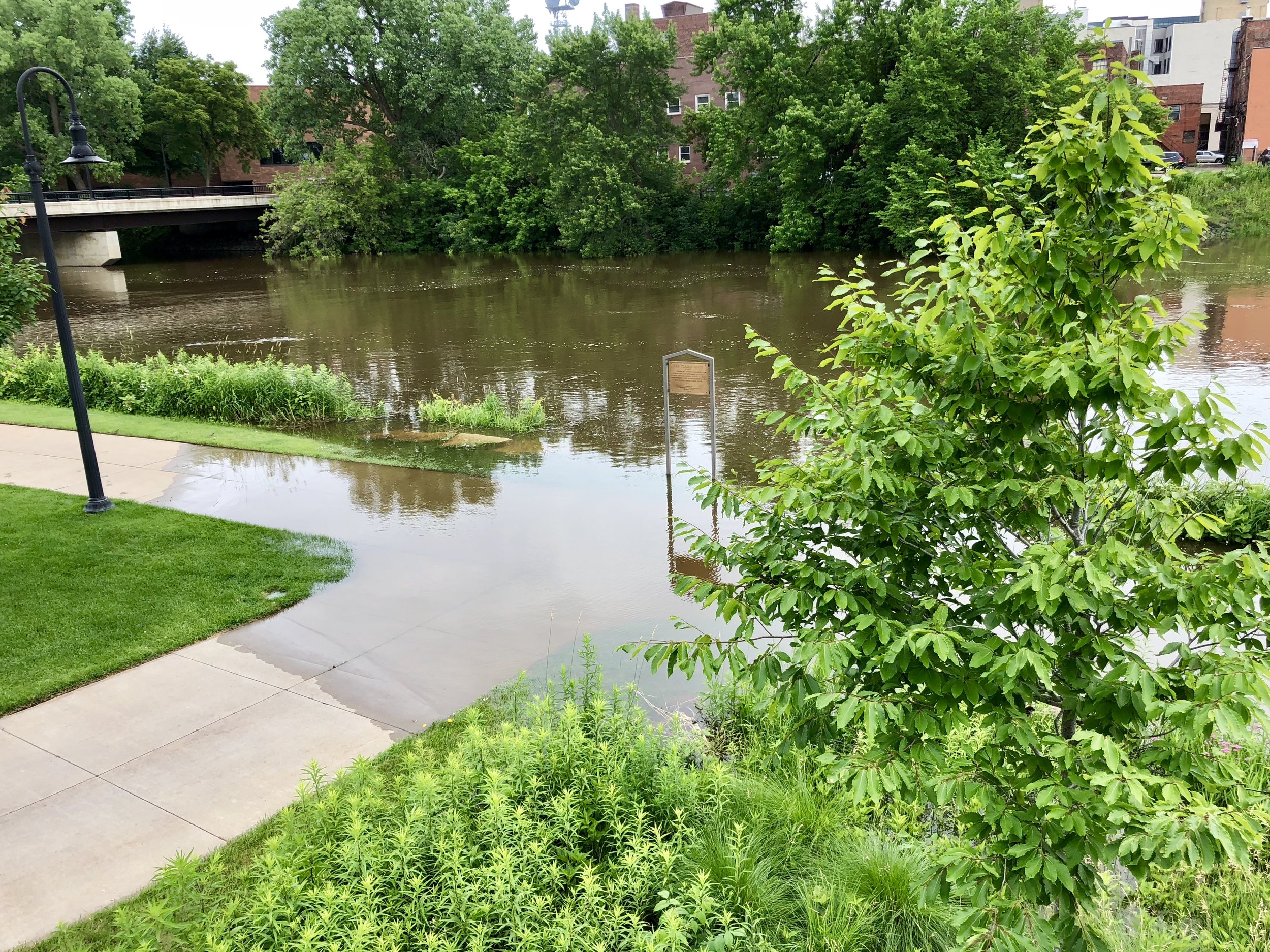
I stayed in the higher side of the bank and followed the river. And I came upon another section where paths were inaccessible.
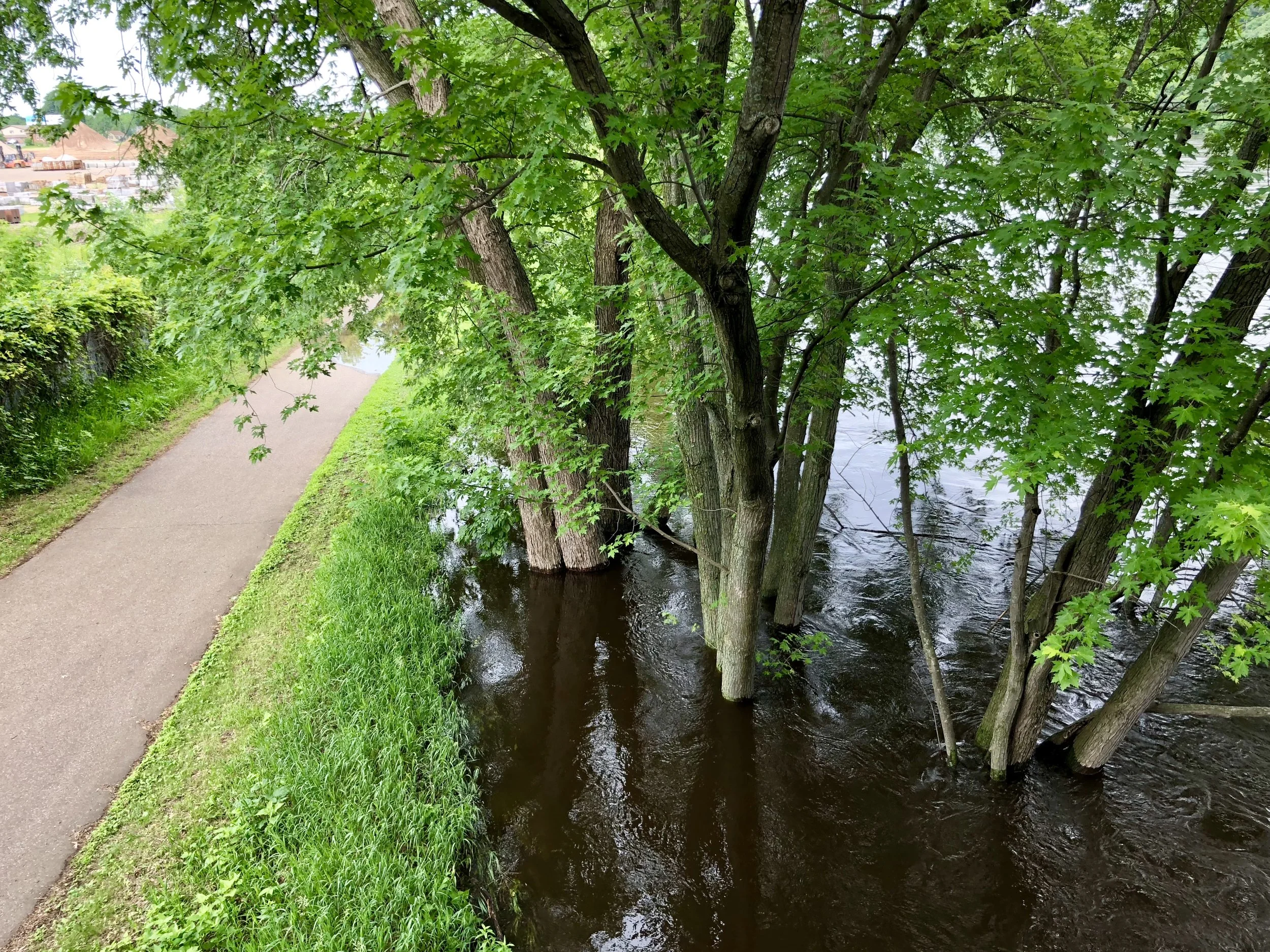
I found another route, although I never strayed far from the river. It's not easy to see in the picture above, but the bike path is again under water beyond the trees. I suspect the bank is at least 10 feet above its usual level.
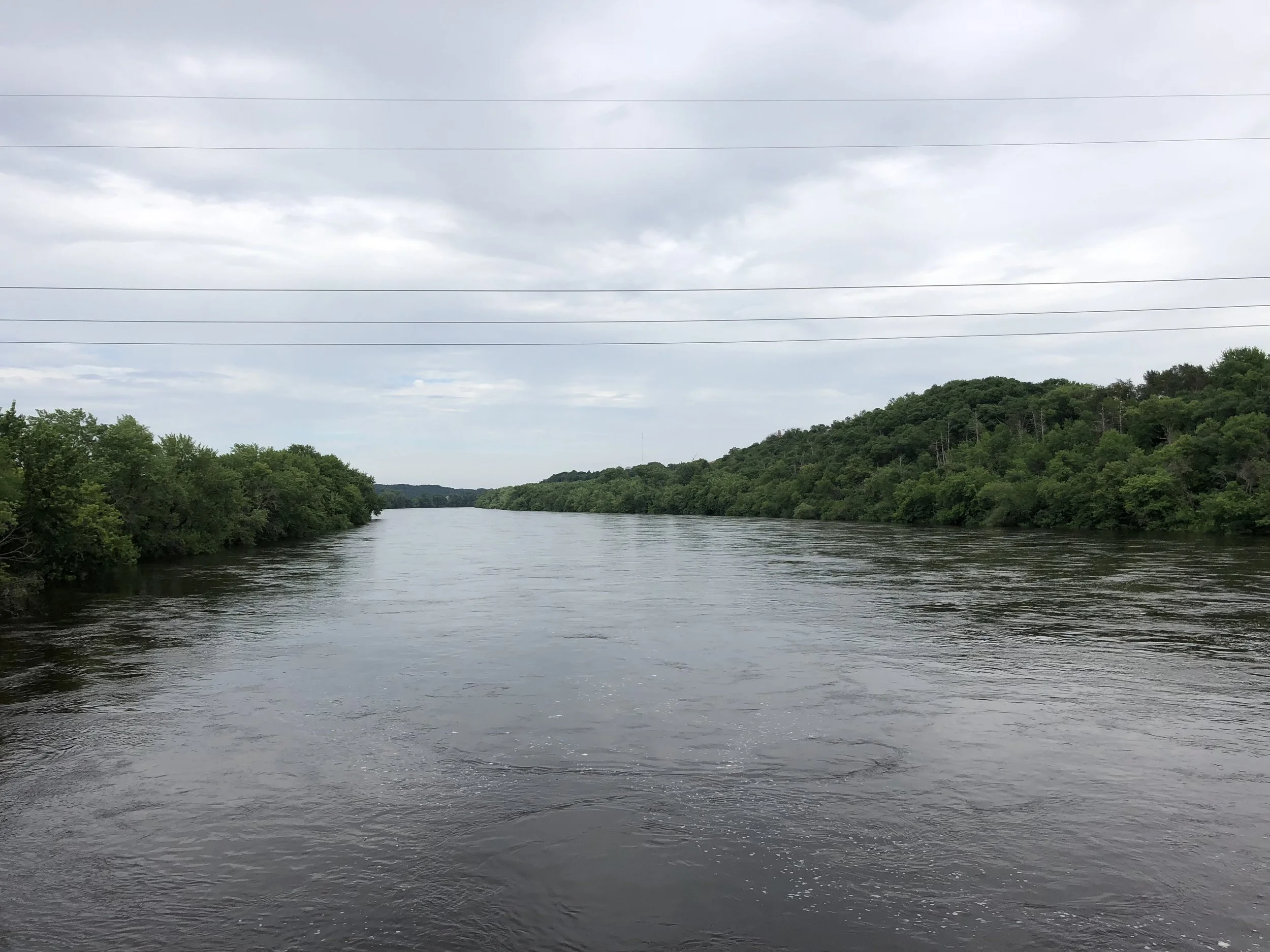
The swollen Chippewa River.
I wonder what tomorrow will bring? And how can we slow down extreme weather events?
Take a look at https://citizensclimatelobby.org. I will be writing about their carbon pricing plan in future blog posts. There are genuine solutions out there; they may not be silver bullets, but by working together we can create market based economic incentives that will favor clean energy over energy that is pushing our climate toward ecological catastrophe. Let's do what is necessary.
Thanks for reading. More to come.
Glacier to Seattle, Post 1
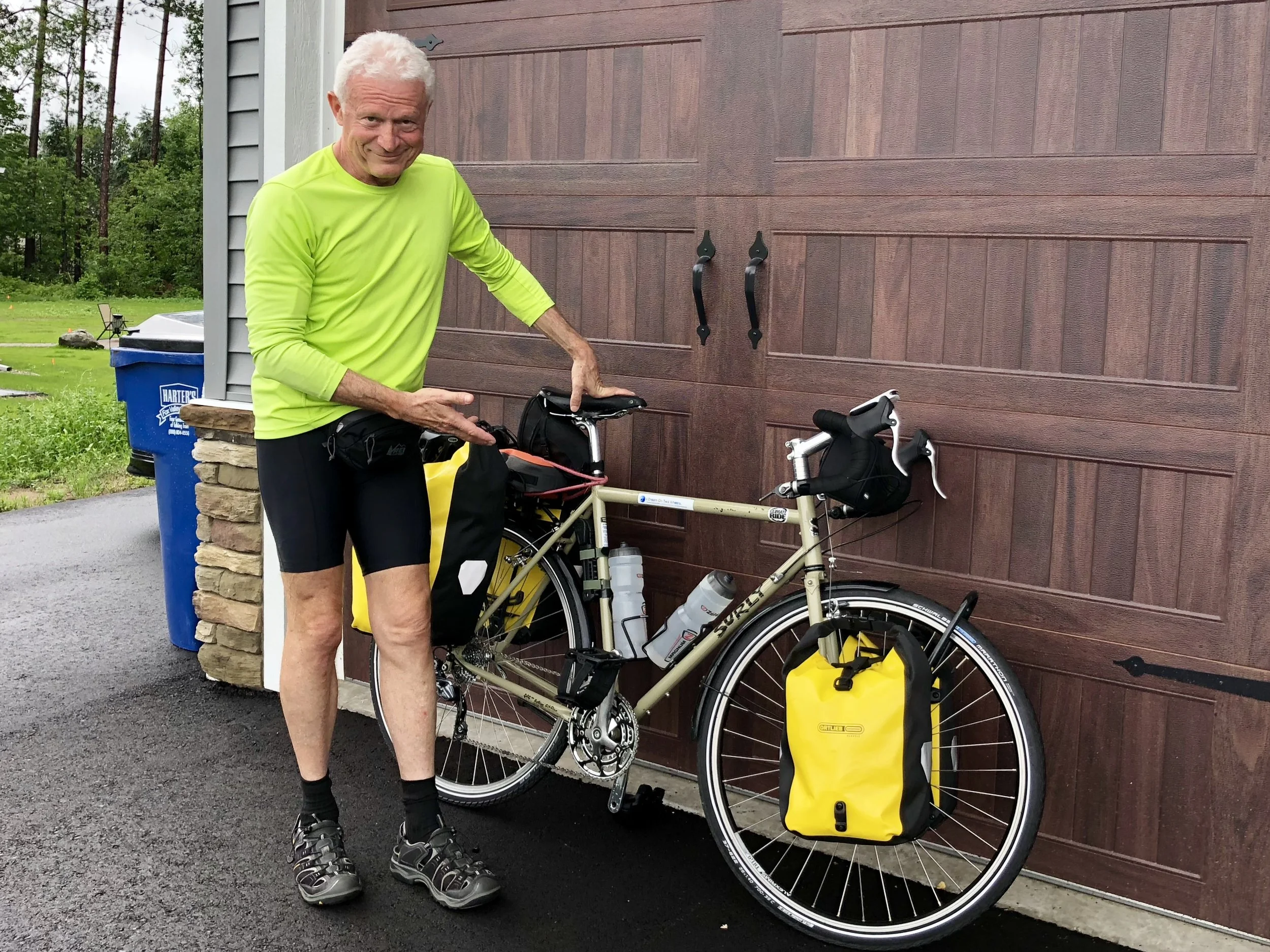
Showing off my latest setup. Each trip, I'm a bit more compact.
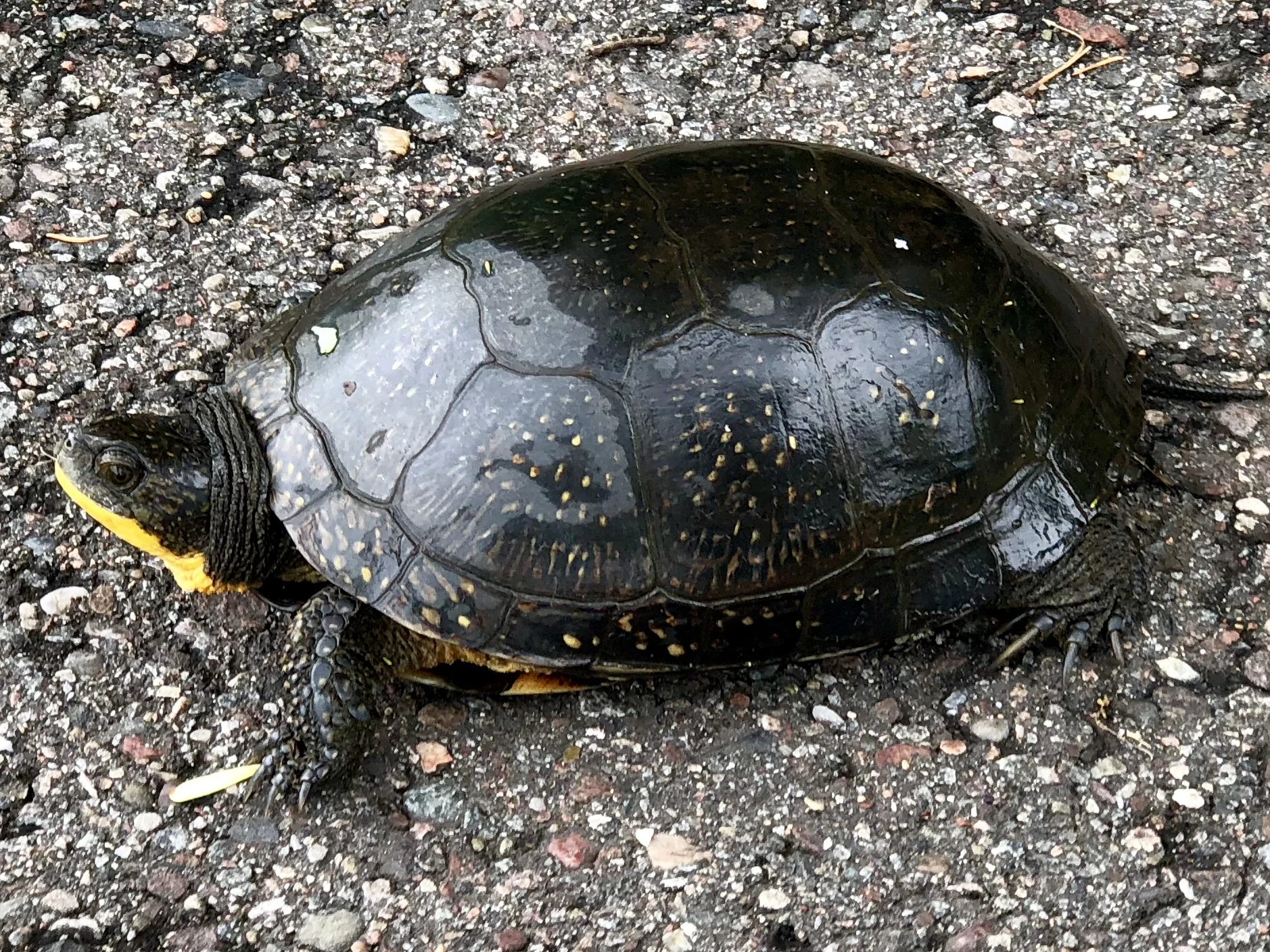
A midwestern Box Turtle lounges on a bike path near Rib Mountain, Wisconsin.
According to The Wisconsin State Department of Natural Resources, Wisconsin’s state bird, the American Robin, arrives 13 days earlier in the spring than it did in 1990. The DNR also reports (without fanfare) that drought, heat waves, heavy rainfall, and other extreme weather events are likely to become more common in Wisconsin’s future. The state may also see as many as 60 days per year where the temperature tops 90 ̊F by the end of this century, with more than 14 days over 100 ̊F.
Small wonder then, as I arrived in Kronenwetter, WI, last Friday to visit with my kids and grandkids for Fathers Day weekend, I was greeted by a number of weather advisories. They seemed more than usual, and it turned out that they were.
Officials in northern Wisconsin said a man found dead near his truck was killed by flooding that swamped the Upper Midwest over the weekend. The Ashland County Sheriff's Office said Monday that the 75-year-old man, whose identity has not been released, was found some 60 feet from his truck in a flooded ditch near the White River on Sunday. Dozens of sinkholes and washed out roads were also reported Sunday as flash flooding triggered by heavy rainfall swamped several towns from northern Minnesota and Wisconsin to Upper Michigan".
Associated Press (AP)
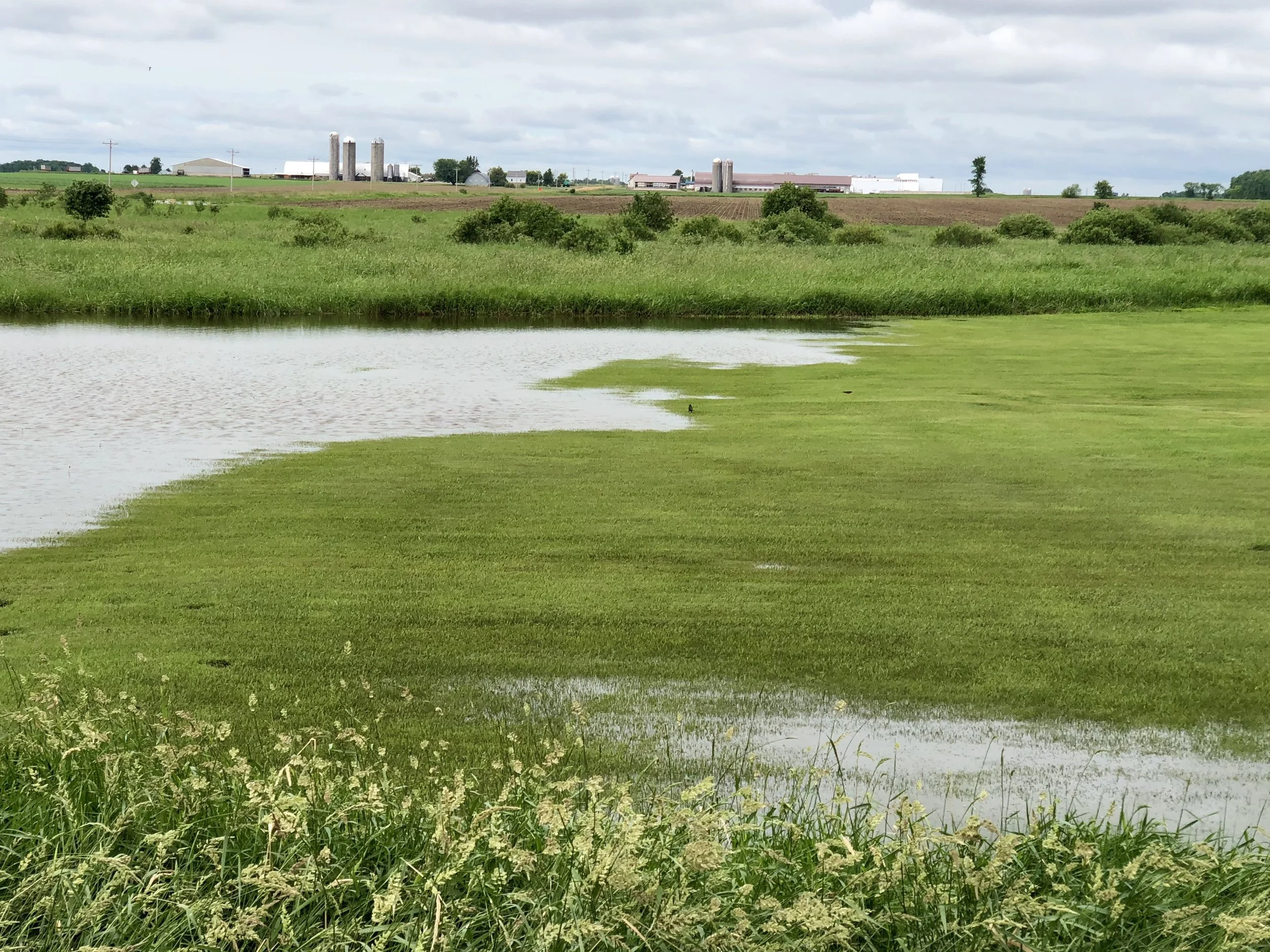
A flooded yard near Colby, WI.
I awoke today to more weather alerts, heavy rain and flash flooding. Today is the first day of my latest trip, and I am on my way to Minneapolis, where I will board the Amtrak "Empire Builder." This route runs from Chicago to Seattle and allows one to roll a bike onto a luggage car without boxing it for a mere $20 in addition to one's ticket. I will get out in western Montana and cycle the remaining 850 miles and three significant mountain passes west to Seattle. But not before I say goodbye to the remaining glacier fragments in Glacier National Park, my first destination in the West.
According to Wikipedia, the glaciers in the Park have been reduced in area since 1966 - some of them by as much as 85%. The average area reduction over the approximately 50-year period is 39%. Currently, only 26 glaciers in the Park are larger than 0.1 square kilometers (25 acres) which is used as a guideline for deciding if bodies of ice are large enough to be considered glaciers. By that logic, many glaciers in the Park are already gone. But more on that later. First I must get there. And along the way I am saying goodbye to other things, such as reasonably predictable and benign June weather.
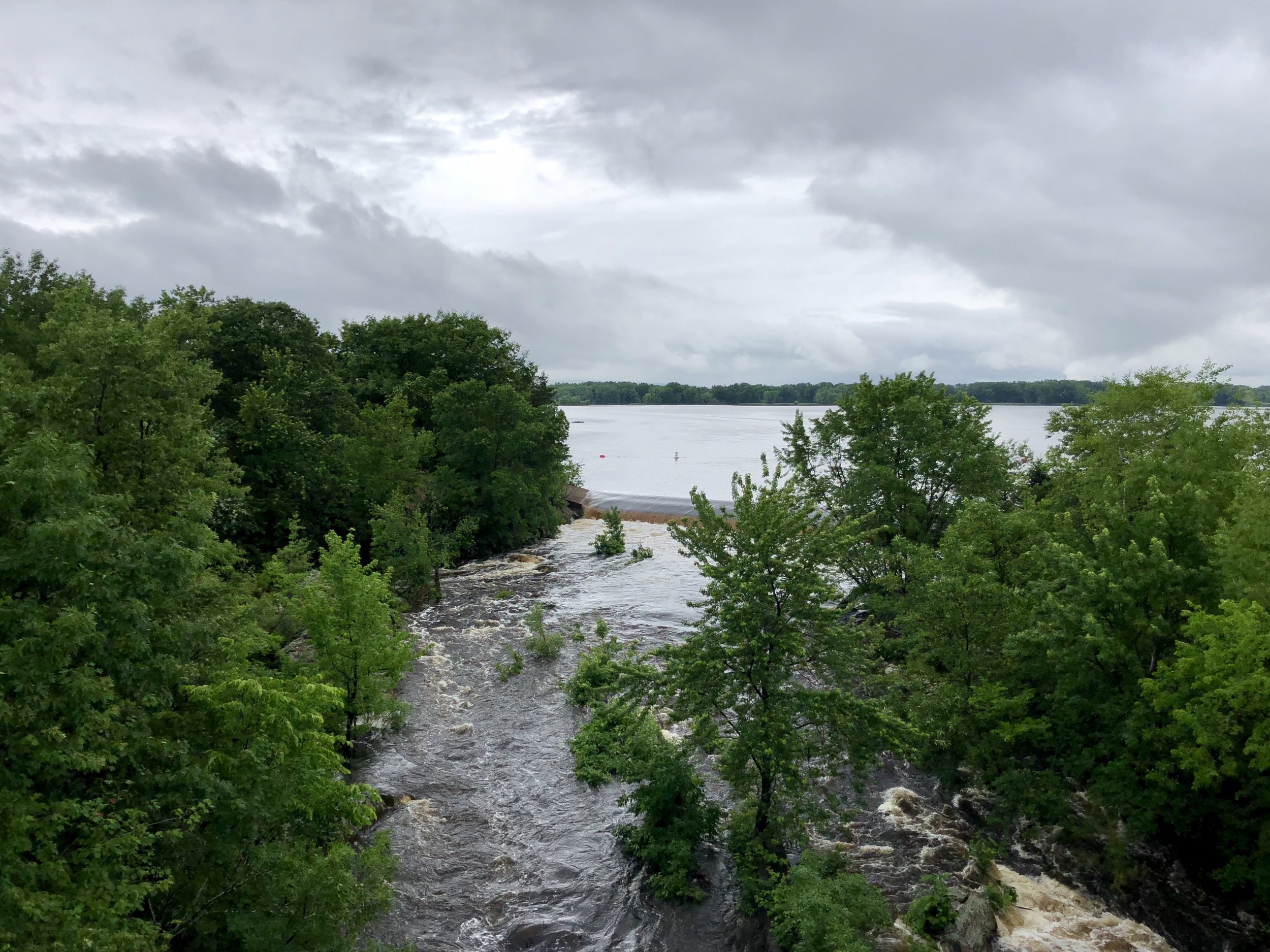
The swollen Wisconsin River.
I waited until 10 am for the rain to subside enough to cycle. I was fortunate for the remainder of the day. Although there was drizzle, I didn't have to endure any downpours. My bike has been freshly tuned, and it was a pleasure to be on an open highway, taking the rollers with as much speed as I could, feeling my legs thrust and my lungs open up. I was in a little bit of heaven all day. Why did I wait so long to do this again? Although inaccurate because my GPS was temperamental, you can see my route by going to my road cycling activity on Garmin Connect at:
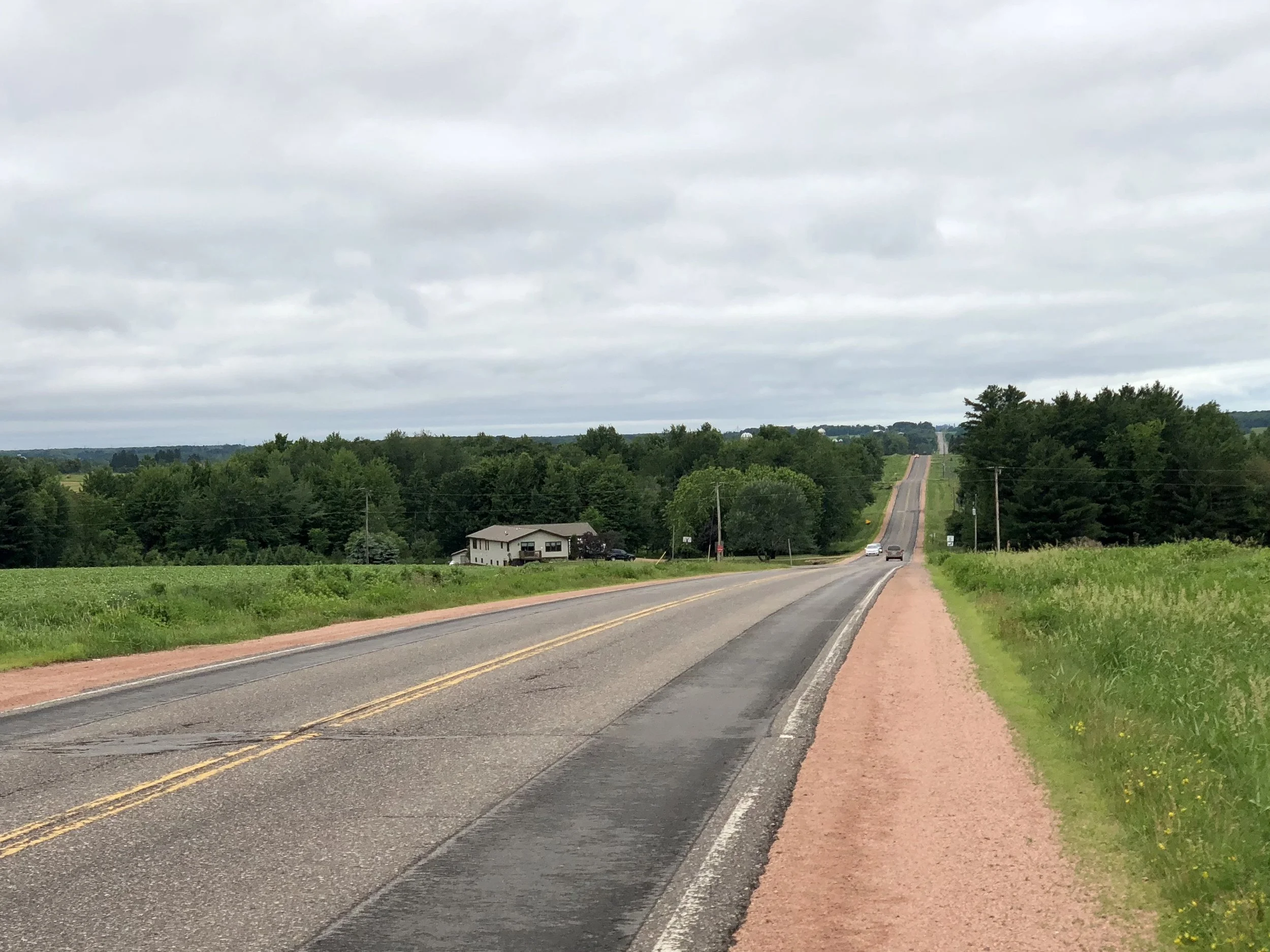
The road to Colby, WI.
There's something about the smell of silage and cow manure. I grew up smelling it in Galesburg, Illinois, depending on the direction of the wind, and I used to spread a mixture of the two ingredients from a tractor on a nearby farm. I worked for a farmer who was a family friend in high school, and I used an old cog thrower wagon with "New Idea" painted on the side. Turns out the company is still around - I saw a marquee sign for their products today at a farm machinery store. I do think it's worth noting that in the Northeast there typically are gas marts where there are farm machinery stores in the Midwest. As a case in point, I biked for 32 miles through numerous intersections before finding a store where I could buy food. But I could have bought 3 or 4 tractors along the way. And a plow, corn shredder and a combine.
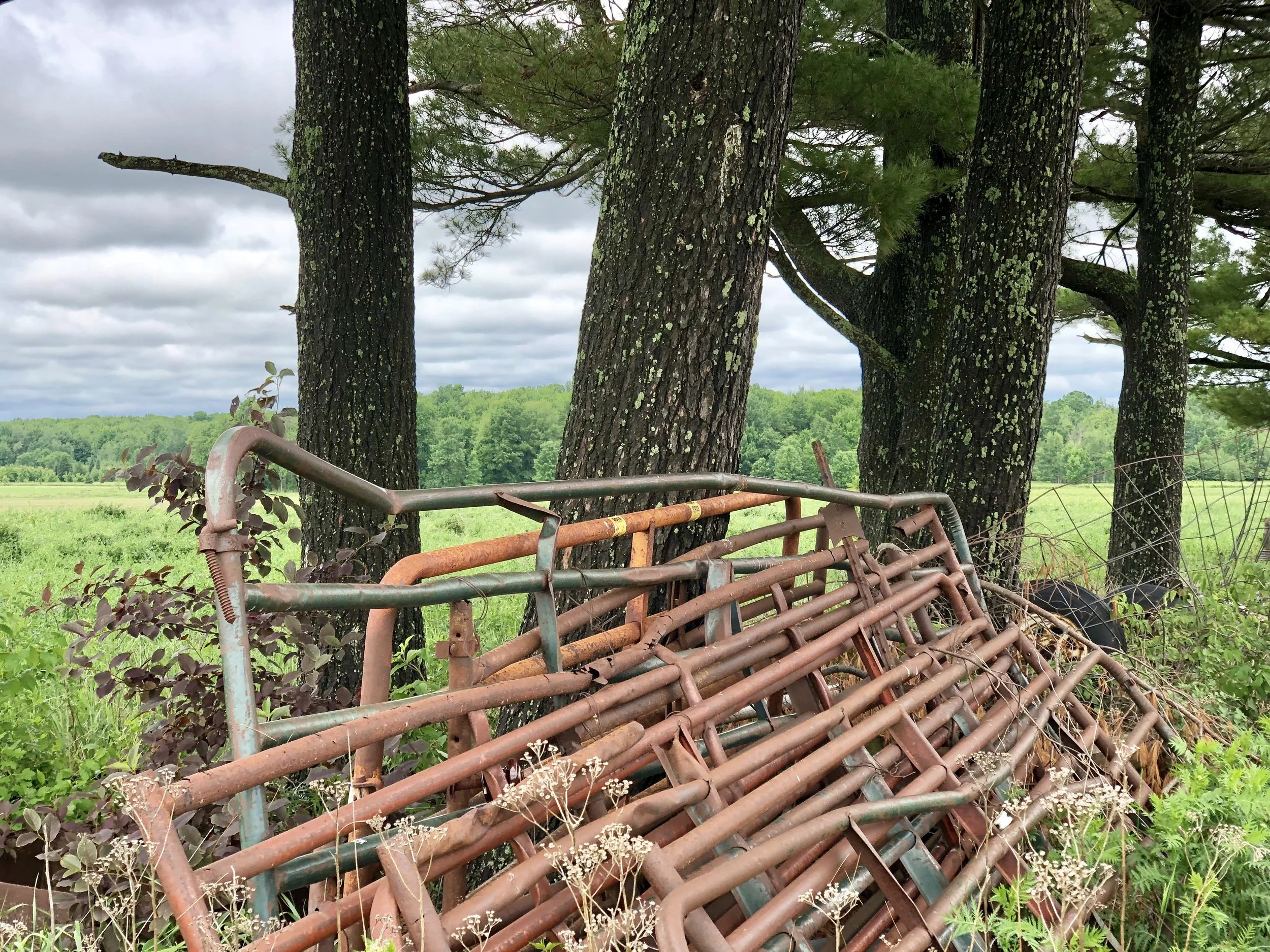
Old gates leaning against some trees.
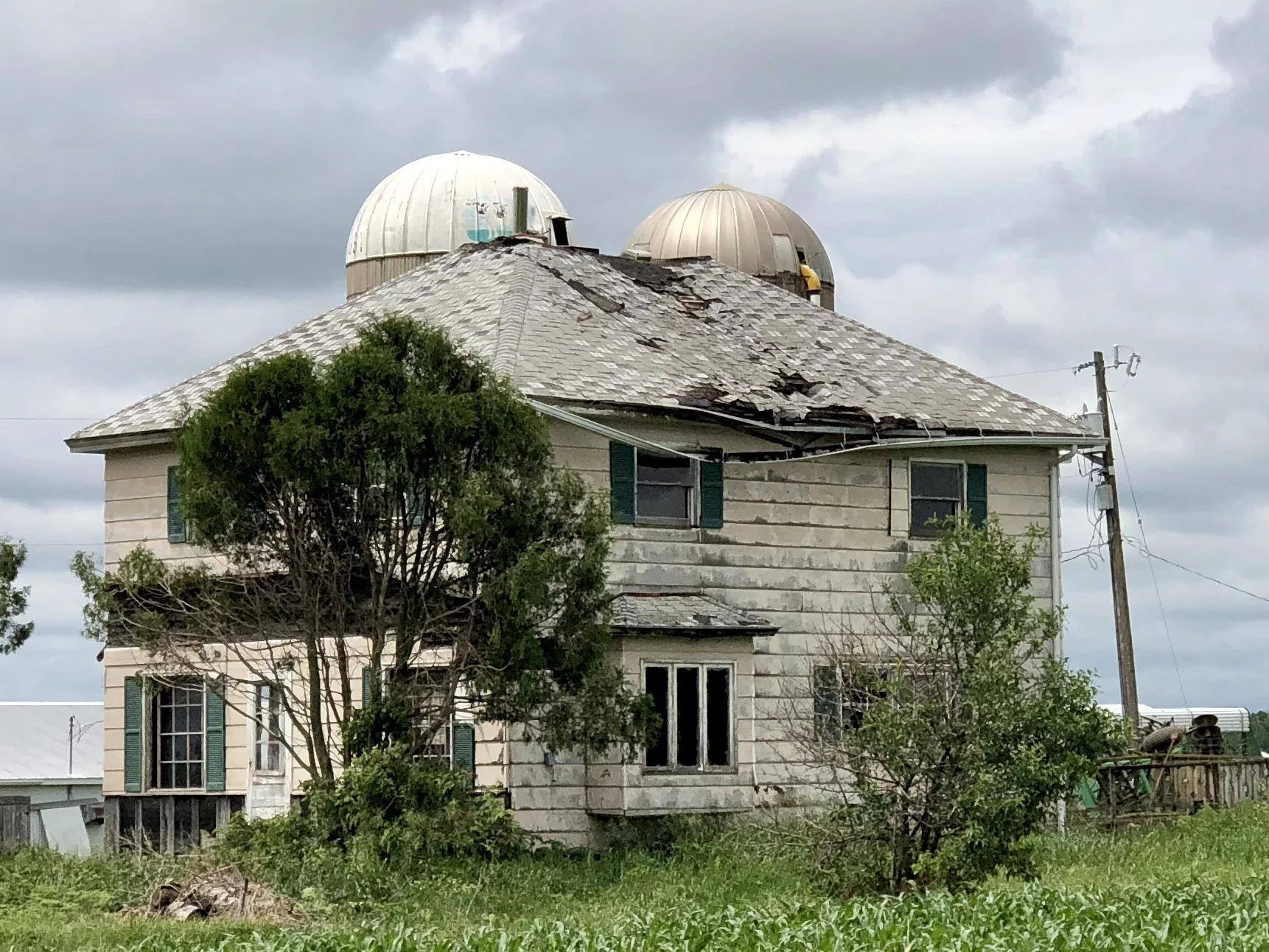
An abandoned farmhouse near Colby.
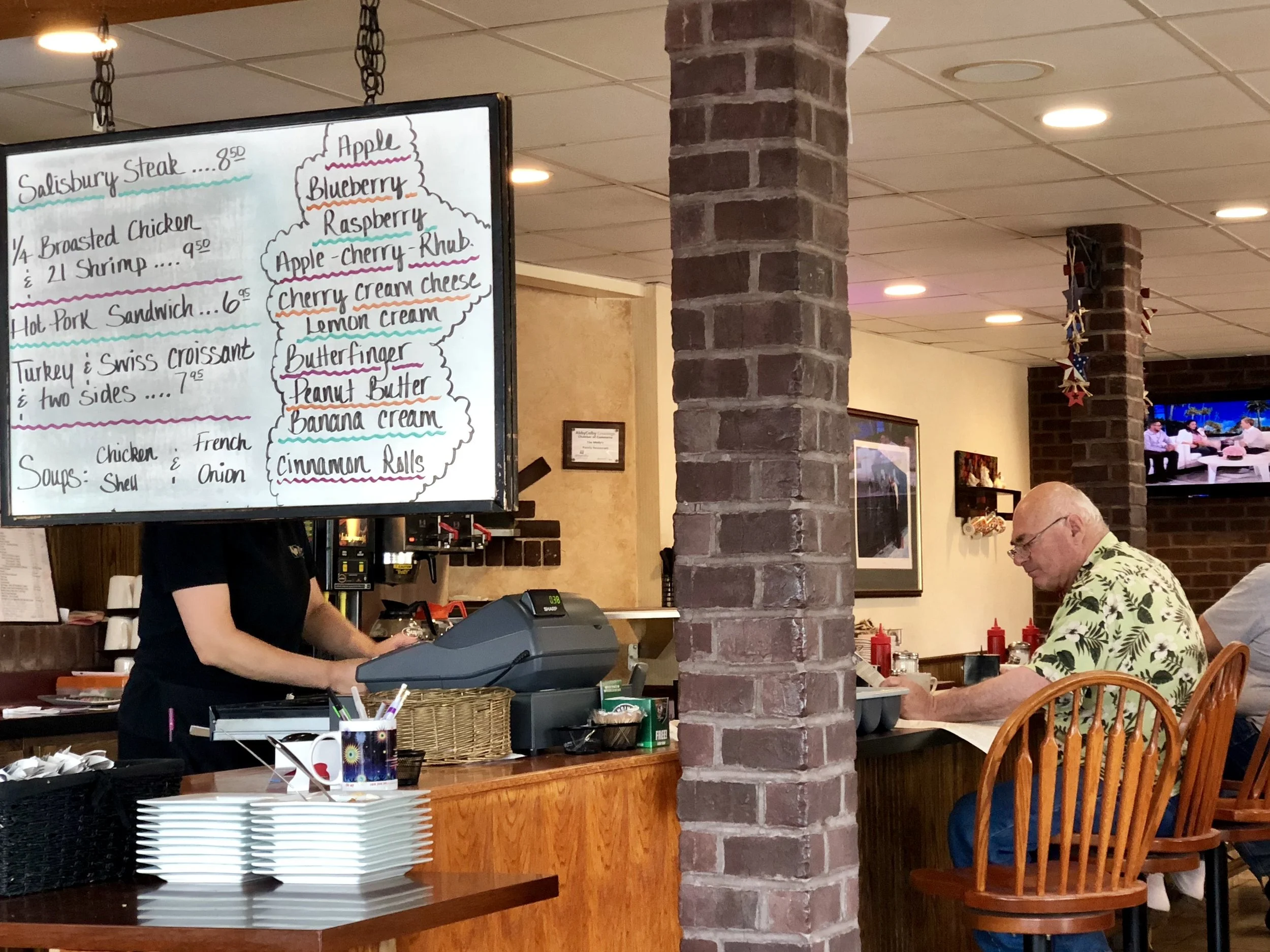
A restaurant in Abbotsford, WI.
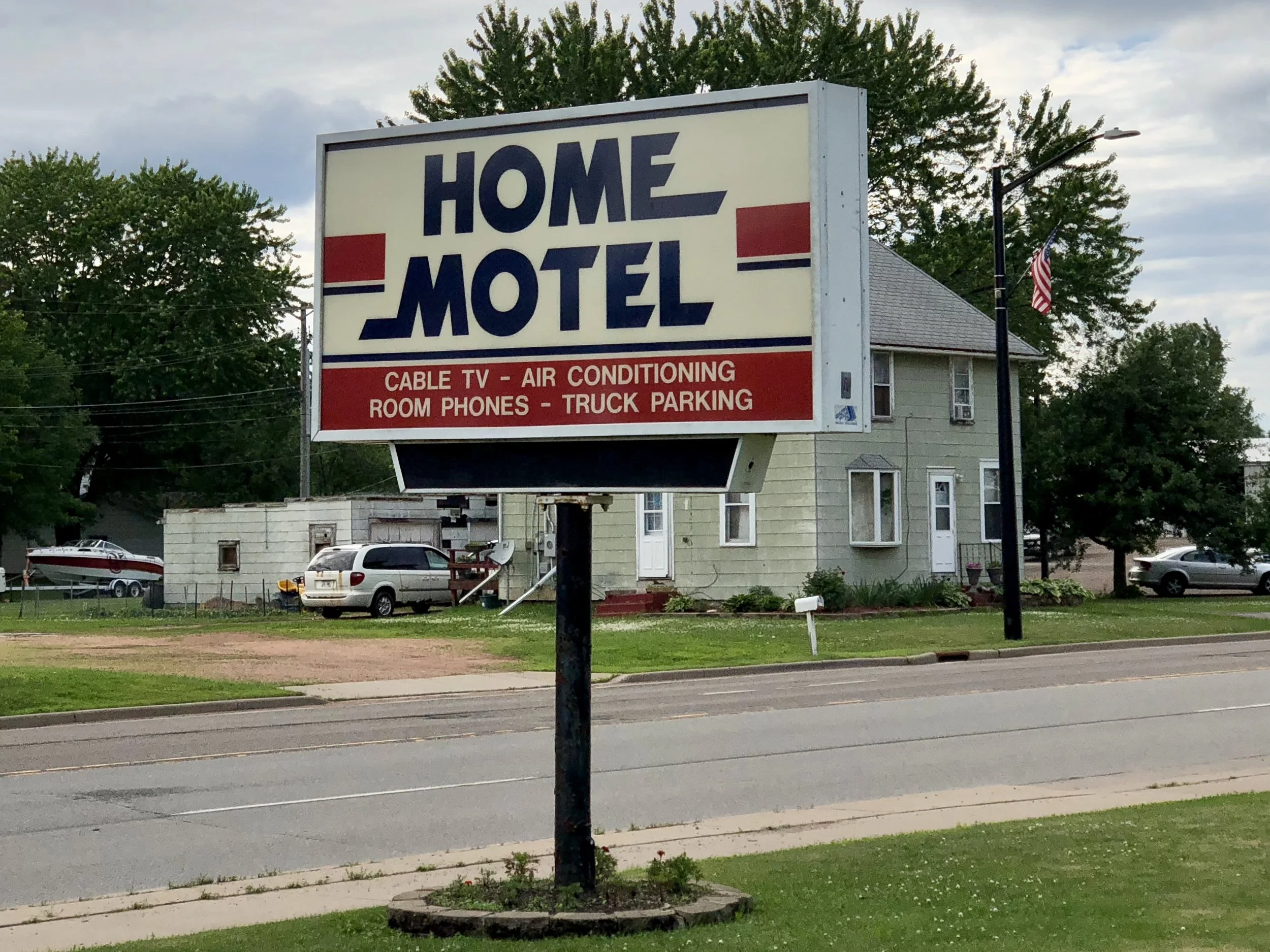
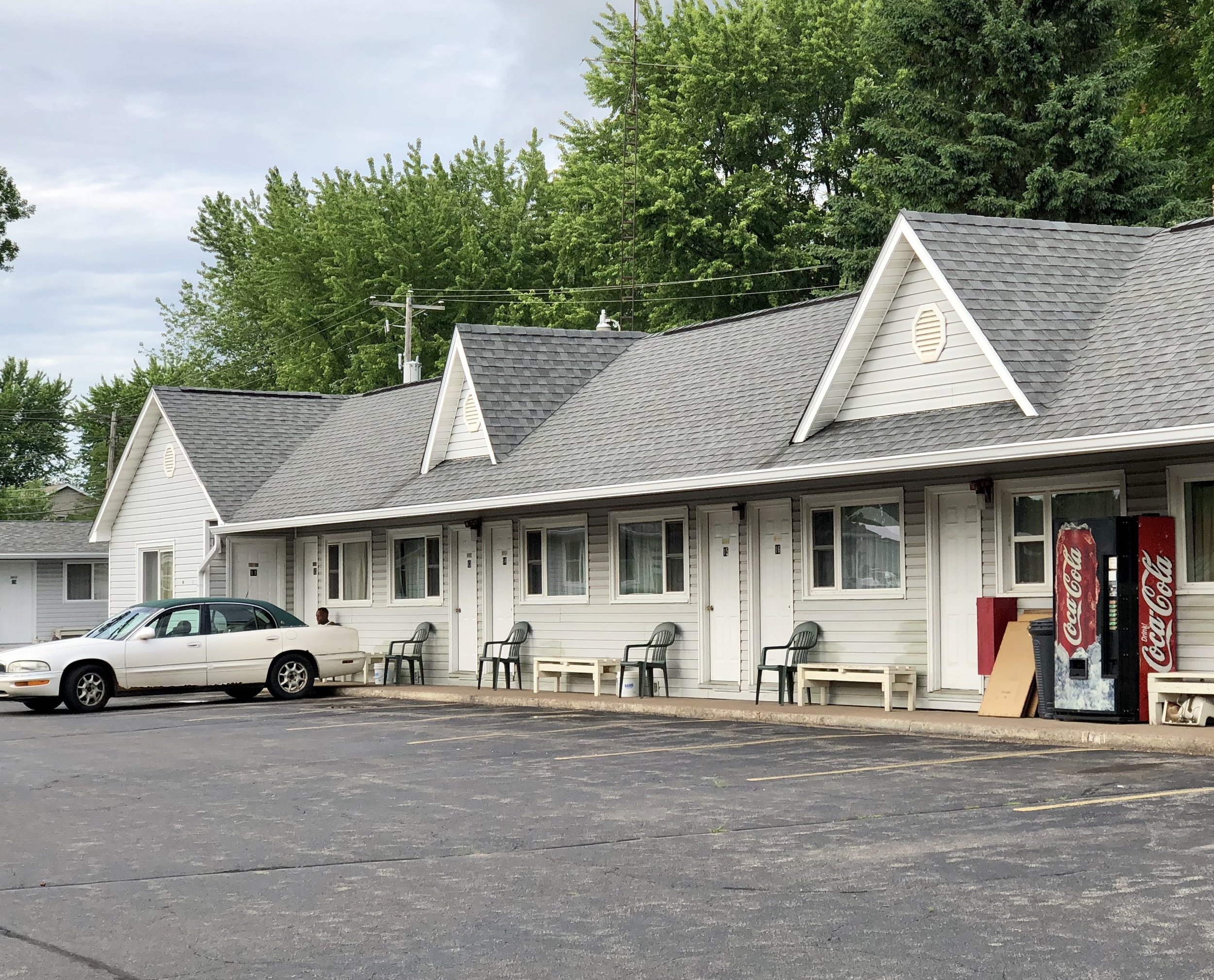
My sweet abode for the evening. A classic mid-century motel run by a South Asian family in Abbotsford, WI. What could be more American? Edward Hopper would be happy here.
More to come. Thanks for reading!
Thinking about Carbon
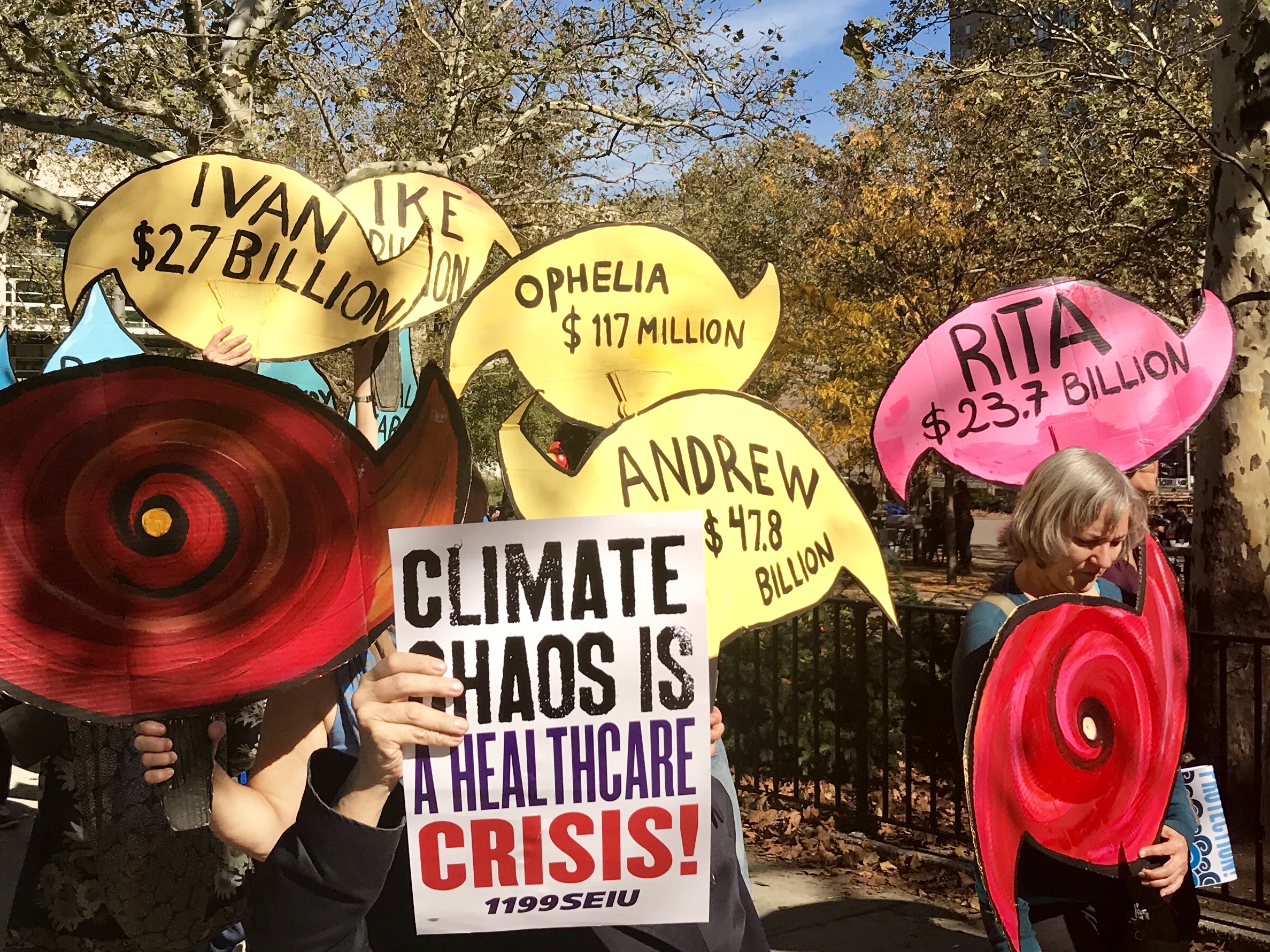
Over the past year, I’ve had the good fortune to become involved with two organizations making significant educational and policy-based contributions toward a reduction in Greenhouse Gas Emissions (GHGe). One of those organizations is Citizens Climate Lobby (CCL), and the other is The Climate Reality Project.
A broad-based national constituency for climate action, The Citizens’ Climate Lobby (CCL) is a non-profit, non-partisan, grassroots advocacy organization focused on national policies to address climate change. The CCL’s respectful, non-partisan approach to climate education is designed to create a broad, sustainable foundation for climate action across all geographic regions and political inclinations. By building upon shared values rather than partisan divides, and empowering supporters to work in keeping with the concerns of their local communities, CCL volunteers work towards the adoption of fair, effective, and sustainable climate change solutions, the most primary being the passage of a carbon fee and dividend proposal.
Several times each year, The Climate Reality Project brings together a diverse group of passionate individuals including cultural leaders, organizers, scientists, and storytellers to attend “Climate Reality Leadership” training. Training events are hosted all over the globe, and are attended by a thousand people and more. Although applicants pay their own travel and lodging, training costs are underwritten and free to participants. Led by former Vice-President Al Gore, current Climate Reality CEO Ken Burns, and a very capable and energetic staff, participants hear from a number of political and policy leaders, sustainability experts and renown climate scientists. Participants leave with full access highly vetted and copyrighted material they can use to lead and educate others about the climate crisis. No matter what one's level of experience in climate change work, Climate Reality Leadership training is an invigorating and challenging way to deepen one's capacity for activism.
Interestingly, Climate Reality recently rolled out a carbon pricing campaign. The congruence in policy focus between these two large organizations is no accident. Carbon pricing is a widely accepted idea among many economists for creating a predictable market-based mechanism that will accelerate a decrease in global carbon emissions. Serious students of climate-science know that the world must accelerate the transition to a clean energy economy if we are going to have any chance at preventing significant economic losses through decreased agricultural yields, sea level rise, increased temperature spikes, melting ice caps, floods, droughts and other extreme weather events such as hurricanes. Every day our situation is more urgent than the day before. Simply put, until we significantly slow down our carbon emissions, we are in danger of running out of time.
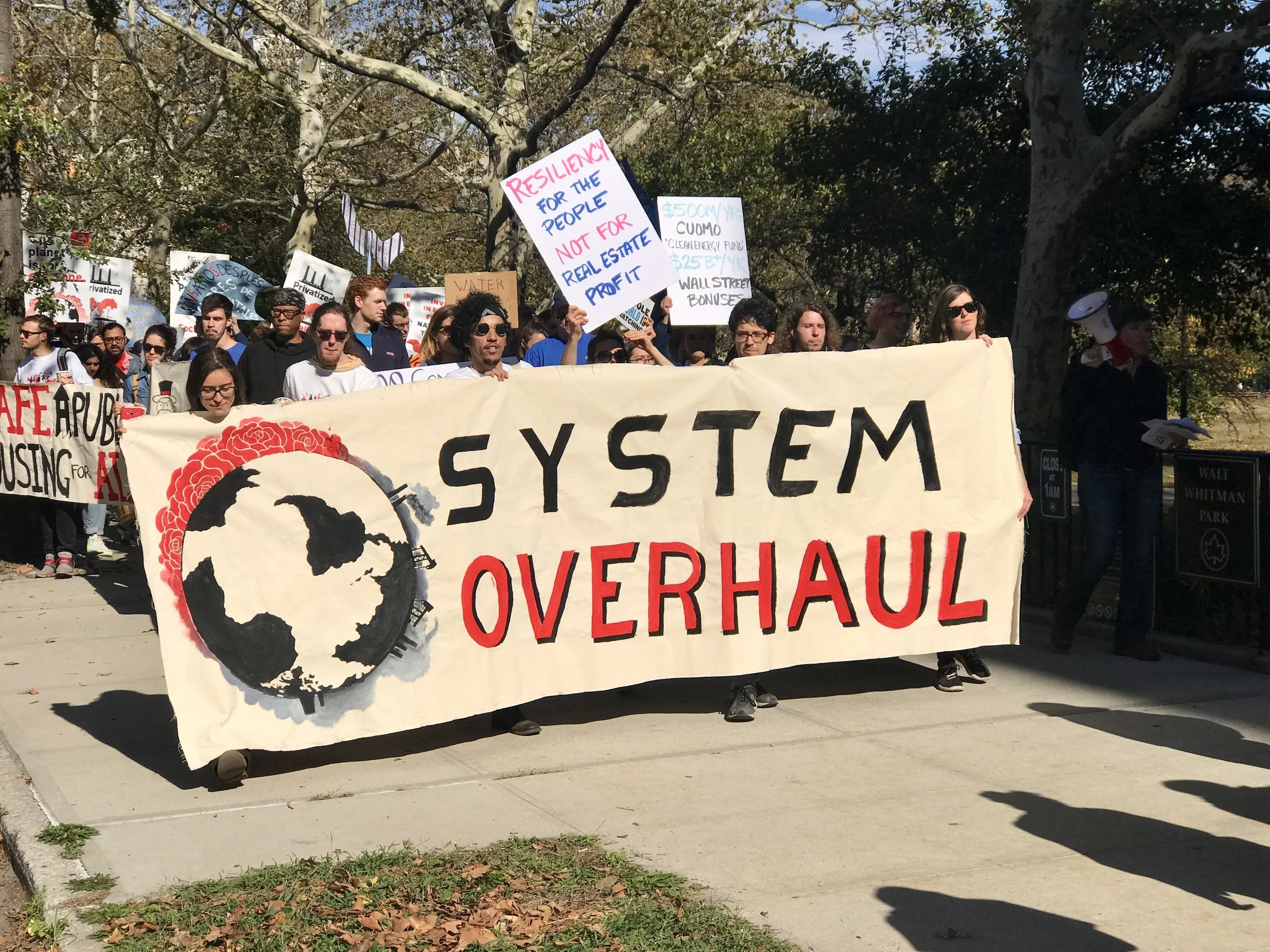
Carbon Literacy
To understand how critical it is that we reduce carbon emissions, it's useful to think about carbon budgeting. In Paris in 2015, negotiators adopted 2 degrees centigrade (2C) as the uppermost limit for global temperature change to avoid destabilizing both natural ecosystems and human civilization at a catastrophic level. And, in a desire to avoid disruption at a less risky level, the Paris Agreement also included an aspirational goal among participating countries to limit warming to 1.5C. However, the most powerful aspect of the 2C goal is not its scientific veracity, but its simplicity as an organizing principle. What the 2C threshold lacks in nuanced predictability, it more than makes up as a goal that is understandable, measurable and may still be achievable (although to stay below that threshold our actions will need to change quickly). Although a 2C goal is a blunt instrument with many shortcomings, its ability to inspire 195 countries to sign an agreement should not be discounted. In other words, we should do everything we can to honor that threshold. We may not get many more chances.
The measurement for a 2C world corresponds directly to the amount of GHG emissions (e) we put into the atmosphere. And since CO2 is the most ubiquitous GHG, we can quantify our problem with emissions by directly measuring CO2e. Simply put, most climate scientists agree that our atmosphere can tolerate about 2 trillion, 900 billion tons/CO2e before we exceed the 2C benchmark and put ourselves in danger of catastrophic change. Since 1870, we have emitted 2 trillion, 156 billion tons/CO2e, which is almost 75% of all allowable CO2e to meet the IPCC 2C limit for emissions. Essentially we can emit approximately 744 billion more tons of CO2. Last year the world emitted 40 billion tons of CO2e (a slight uptick from the previous three years, which were flat at about 37 billion tons). That means that every day, the world dumps 110 millions tons of carbon into the atmosphere.
The numbers above illuminate the urgency of our situation. We have a lot to accomplish in a short time, and the stakes could not be higher. I believe we can start by making ourselves more carbon literate. The math is straightforward, and we need to bear in mind the following reality: Assuming we continue to emit at current rates, we will reach the 2C benchmark in about 18 years (by 2036, at the time I am writing this).
I recently had the good fortune to hear a presentation by Arnaud Brohe, US CEO of CO2logic. This company helps other companies and organizations calculate, reduce and offset CO2 emissions. Their approach to lowering GHGe uses the following steps.
Calculate
Reduce
Offset
Price
The simple steps above can be applied at any level of carbon accounting, whether they are individual, organizational, institutional, corporate, or governmental. No matter how we approach carbon emissions, we can apply these four steps to manage and reduce emissions. On the individual level, we can calculate, reduce and offset. However, at institutional, corporate and governmental levels of action, carbon pricing may also be an option.
Calculating Carbon
According to the Union for Concerned Scientists (UCS), the average American emits approximately 18 tons of CO2 annually (about 3000 lbs of carbon a month). Of course, this is an average figure and there is lots of variation. But it's useful for estimating one's contribution to our collective problem. There are many excellent carbon footprint calculators around. One of the most useful is carbonfootprint.com.
Here are a few interesting calculations:
The making of your smartphone emitted 200 lbs of CO2e (and the continual use of it emits small amounts of carbon depending on your electricity supplier)
Flying coach from DC to Chicago = 300 lbs/CO2e (distance and class are the biggest determinants)
Flying JFK to SFO coach round-trip flight = 1 ton/CO2e
Flying first-class round-trip NYC to London = 2.5 tons/CO2e (first class burns more carbon per flight because it accommodates fewer people)
Driving one mile in traffic = 1 lb CO2e
Eating a steak = 10 lbs CO2e (red meat is about 10 times more carbon intensive than food from plants)
Reducing Carbon
Americans can voluntarily reduce emissions by:
Changing light bulbs to LED’s
Driving less/driving hybrid or electric
Flying less
Using public transportation
Biking or walking
Switching to a clean energy electric supplier
Unplugging electric appliances when not in use
Buying fewer things
Recycling attentively
Eating less meat
Wasting less food
Offsetting Carbon
Although many institutions and corporations offset their carbon emissions, some fail to market that fact for fear of antagonizing their customer base. In fact, the largest single corporate buyer for carbon offsets globally in 2016 was Exxon Mobil (a subject for another post). But individuals can use offsets as well. In fact, not only are carbon offsets an important step in the development and understanding of carbon pricing programs, they are an underutilized opportunity for wealthy individuals in the developed world who wish to help mitigate the problems their wealth (and related carbon emissions) has caused the world at large. In 2016, 64 million tons of CO2e were offset through voluntary carbon markets. The cost of those offsets averaged about $10/ton in the retail market, which means that the average American can offset his carbon footprint for as little as $180/year.
Offsets have been around for several decades, and have earned a reputation for being fraudulent at worse, and only effective as a net-zero application at best. While net-zero offsets as a strategy are still problematic, they are no longer the only offset product available. It is now possible to purchase many different kinds of products that directly lower emissions. In addition, widespread corruption concerns are no longer applicable if one buys offsets verified by a well known third party. Some of the better-known verification standards are listed below.
The following companies offer offsets for individuals, organizations, and businesses that are well vetted and productive. There are many more.
amazon.com (Carby Box)
wildlifeworks.com (Carby Box partner)
carbonfund.org (Jetblue)
nature.org (Delta)
sustainabletravel.org (United)
terrapass.com (Expedia, Enterprise Rent-a-car)
southpole.com (Global Private and Public Sectors, Capital Markets)
Perhaps most striking on the list above are the carbon offsets that can now be purchased through Amazon.com. Although skeptical about the product when it was first introduced, I have come to appreciate that Carby Box brings the complex world of “Voluntary Carbon Markets” directly into our living rooms. Carby Box’s partner Wildlife Works uses a form of offset called Reduced Emissions from Deforestation and Forest Degradation (REDD+) that, at best, neutralizes one’s carbon emissions but doesn’t drive down CO2 aggregate amounts. In that way, the offsets are net-zero but not net-minus. Even so, it makes sense to me that if one can afford to neutralize ones’ carbon footprint when carbon emissions cannot be avoided any other way, then this has an immediate value. It isn’t a free pass to pollute, and it doesn't absolve us from our carbon footprint on the future, but it does make a bad situation slightly less bad than it might be otherwise. In 2016, offsets came from REDD+, but also from wind, landfill methane projects, community-focused energy efficiency, and clean cookstove projects. It’s important to note that many offset buyers (including individuals, corporations, and governments) chose projects for community-based economic benefits as much as emission offsetting properties. And, as best as I can tell, this is a virtue of the Carby Box Wildlife Works offset product.
Of course, in a year when the world emitted 37 billion metric tons of CO2, 63.4 million tons of carbon is close to negligible. But giving up is not an option. Plus, there are several other good reasons for supporting carbon reduction and offset programs. Many, although not all, of the programs are based in underdeveloped countries who are the least responsible for having created the climate crisis. So those of us who can afford it may want to support offsets in countries that didn’t create the problem in the first place for moral reasons. That’s a win-win.
There’s one last reason for supporting offset programs. Thinking about our carbon footprint challenges us to develop carbon literacy. It’s interesting to compare average individual carbon emissions from country to country, just as it’s interesting to compare the total output of carbon emissions from country to country. This drive questions. Who are the bad actors? Who does the most for our collective “tragedy of the commons”? What are the obligations of high carbon emitters to low carbon emitters? To what extent are we personally responsible? And what can we do personally, and as consumers and citizens, to mobilize change?
If we pay attention, we will realize that carbon has a price. The highest price of carbon may be the loss of the human species -- or at least the loss of civilization as we know it. But maybe we can forestall those prices by installing something much less expensive. How about pricing carbon at the point of sale at $40/ton the first year, and then increase it $10/ton for a decade, while the collected fees are and redistributed back to citizens to offset their costs for participating in an urgent reduction in carbon as a new economy develops? The plan above, by the way, comes from the Citizens Climate Lobby (CCL).
Electricity and a Wind Farm, PR post Maria, Post 3
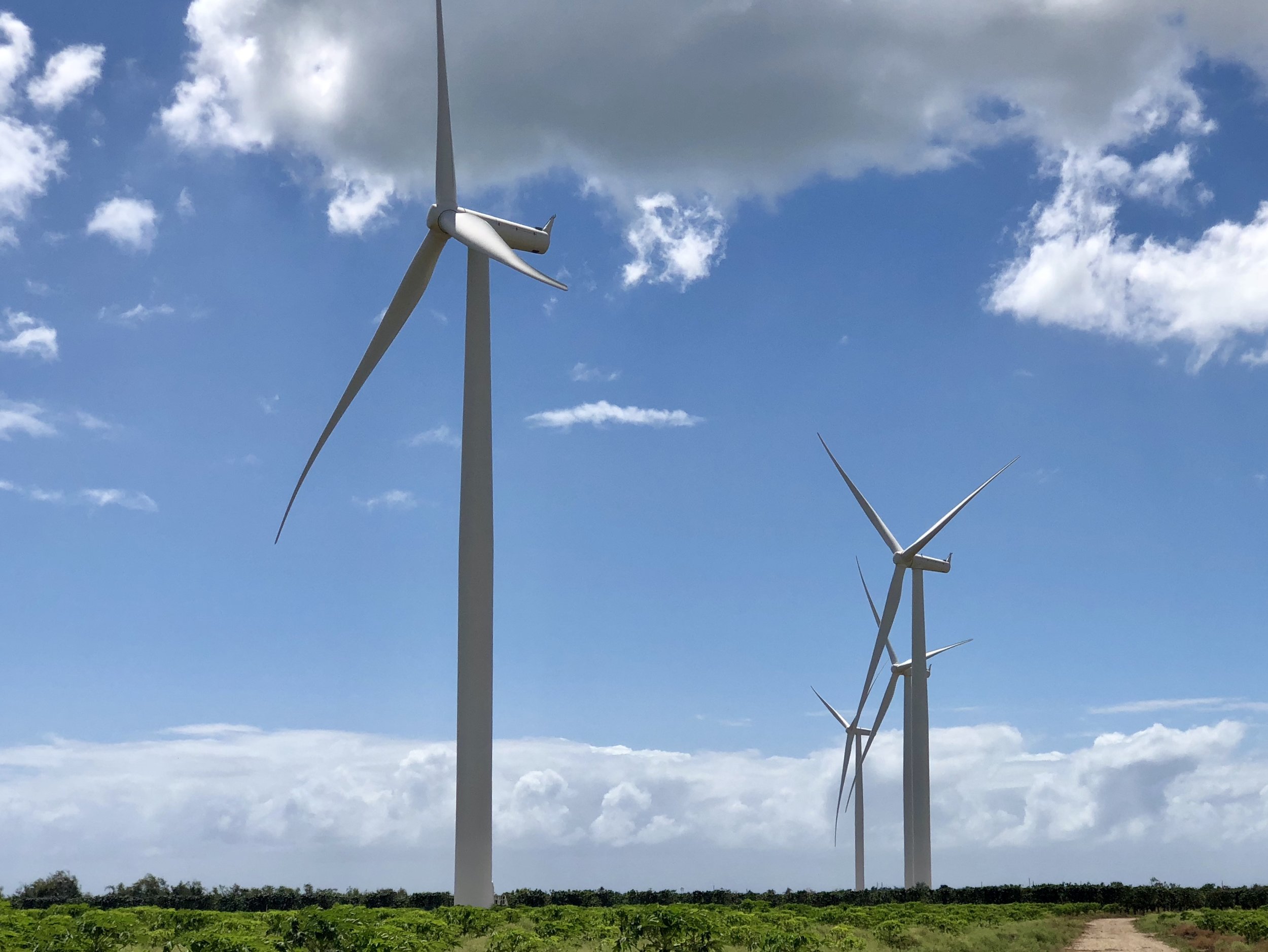
You know how a song can get hopelessly stuck in your head? So can a promise to a stranger. Like a song, when the promise surfaces it has a way of circling back, nagging gently and sometimes causing irritation. Unlike a song, a promise stops nagging if it's kept. So the result of that simple moment when a stranger says, "Promise me you'll go to Utuado", and one answers without thinking, "I will," is that the promise becomes a song one can't get out of one's head. Until one keeps it.
So I had no choice. I had to return to Puerto Rico to go to Utuado.
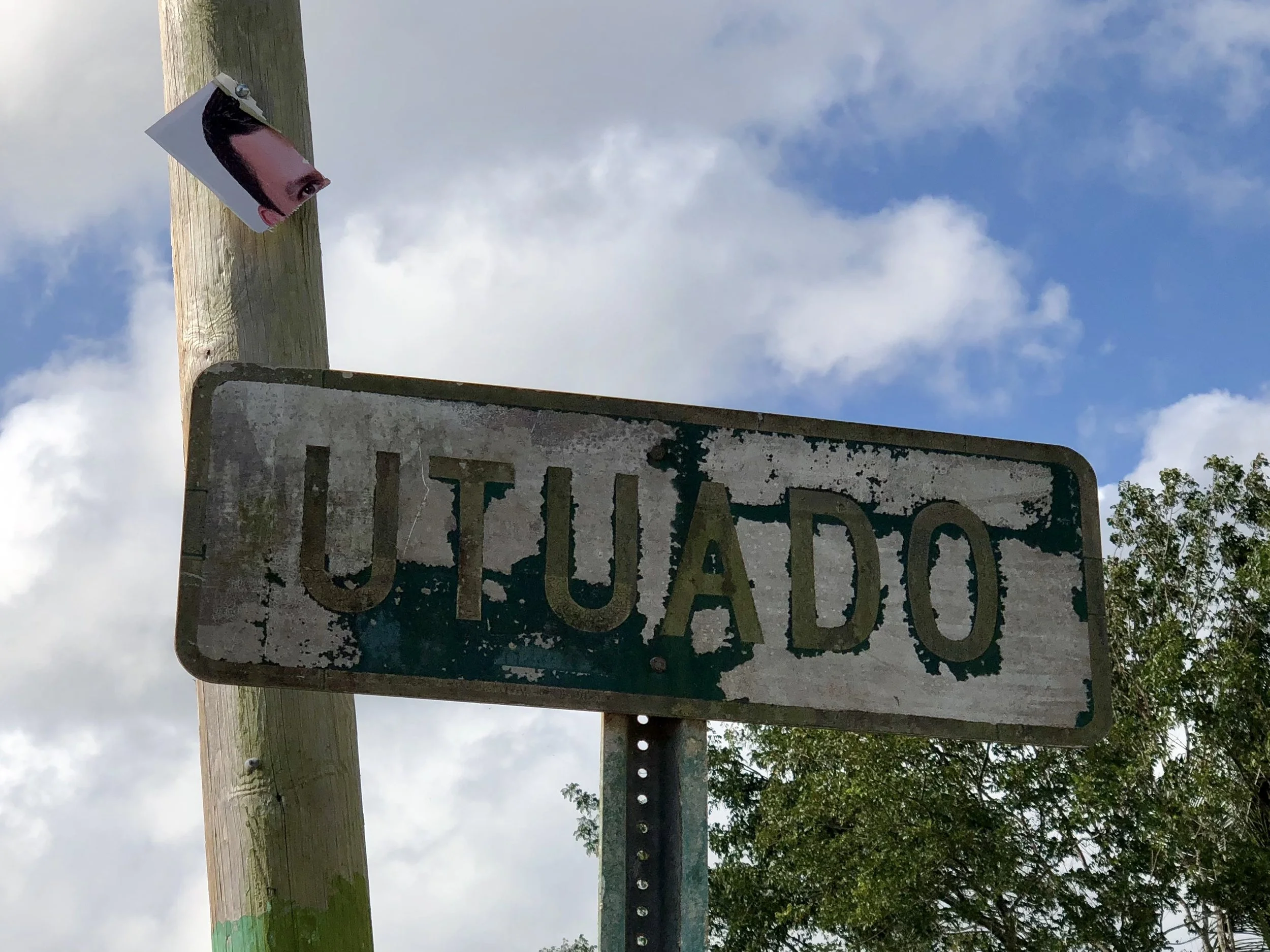
Not that fulfilling my promise to visit Utuado was my only reason for returning. There are many other good reasons. To flee cold weather in the northeastern US for just a bit longer, to put a little money in the economy as a student at a Spanish language intensive and to explore how communities rebuild after extreme weather disasters are among them. Besides, the island needs people to visit - FEMA, of course - volunteer utility workers - church assistance groups - aid societies - maybe even Tesla to build those microgrids Elon Musk talked about in late September of 2017.
("Did Tesla come? Are they here?" I keep asking, but no one I've asked thinks they did.)
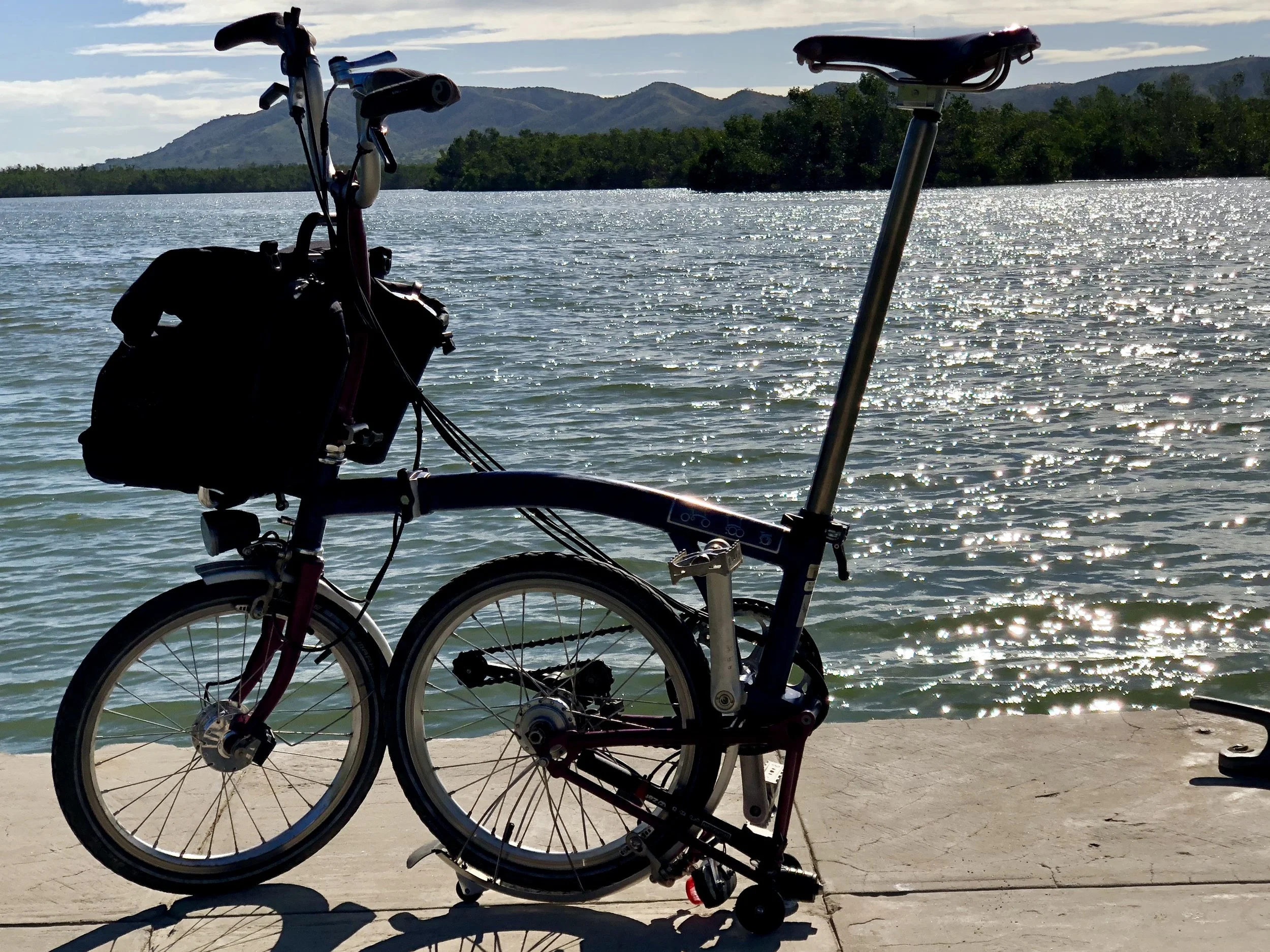
Tourists need to come here as well. Especially now. And, in spite of these blogs (or maybe because of them), I'm essentially a tourist on a bicycle (for the most part). I'm not a big spender, but for what it's worth, I believe my presence has some value.
In the not too distant future, when predictable stages of extreme weather post-disaster recovery are more widely familiar, those stages may look something like the following: 1) relief, joy and gratitude at having survived, 2) mourning who, and what, has been lost, 2) making sure oneself and one's community have what is needed to survive over the coming days and weeks, 3) restoring essential communication infrastructure and cleaning up enough debris so that transit is possible, 4) restoring basic services such as electrity, plumbing and drinking water, 5) returning to the tasks of daily life that help one to normalize - such as going to work, socializing and entertaining, and hopefully - 6) rebuilding in smart ways to meet the next extreme weather event with greater resiliency.
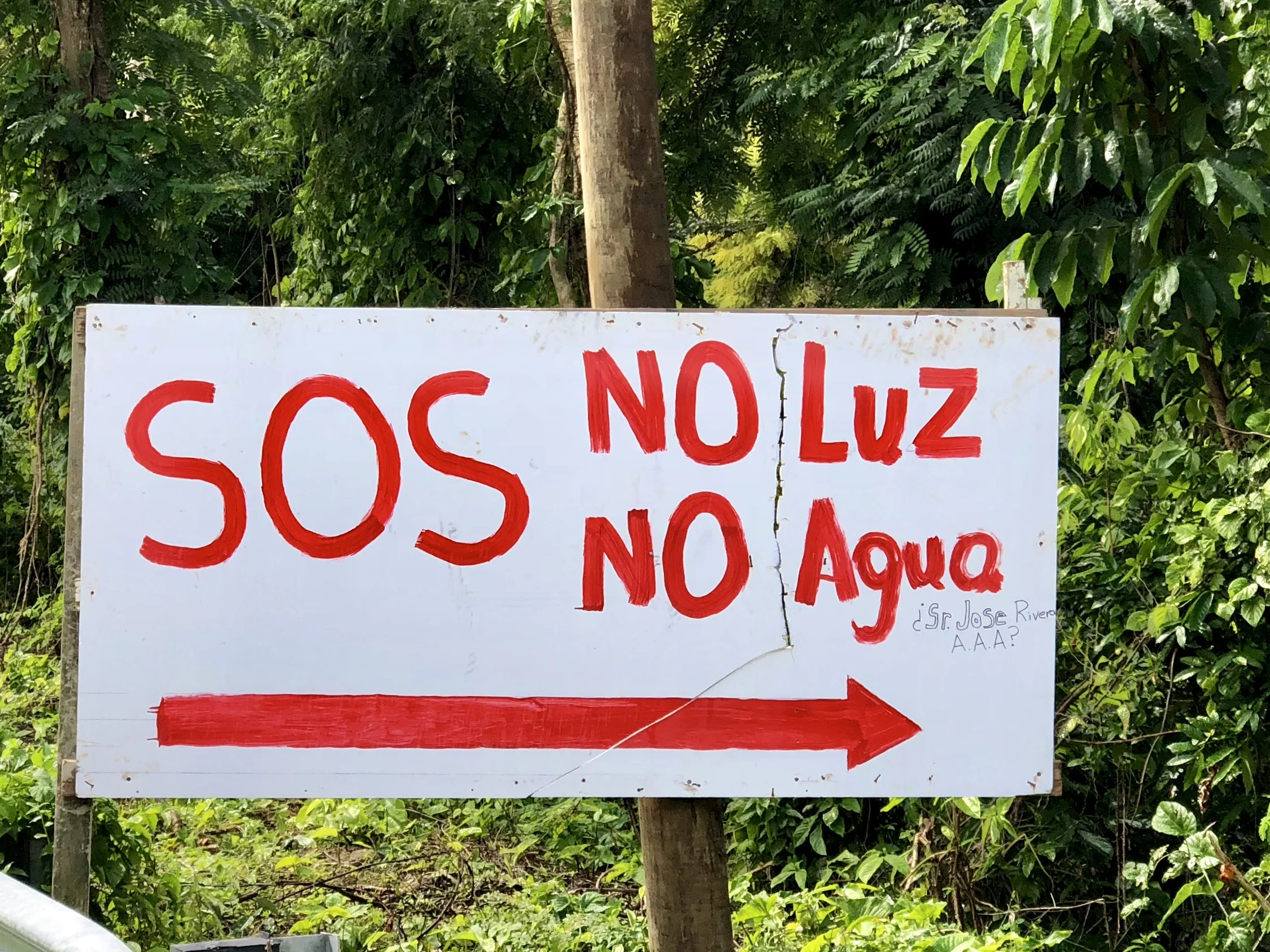
Most of Puerto Rico now seems focused on steps 4 and 5. An islander told me yesterday that he thinks 85% of the island now has power. That might be true on a per capita basis, but I doubt that it's true geographically. The more developed and populated coastal areas have had power for several months, but many of the more remote rural areas are still struggling.
I had the good fortune to share a meal in Quebradillas with Jeff and Virginia Toussaint, owners of The Flowing River Farm near the village of Orocovia, which is located in the center of the Island. Their farm recently joined WWOOF (World Wide Opportunities in Organic Farms, a "worldwide movement linking volunteers with organic farmers and growers to promote cultural and educational experiences based on trust and non-monetary exchange, thereby helping to build a sustainable, global community.") Jeff and Virginia are currently hosting farm worker volunteers even though they have no electricity and are using a large "life-straw" water filtering system to draw water from a local stream. They seemed weary when I talked to them, but perked up as they shared their vision to create a self sustaining, net-zero energy farm that could provide food for their family and the surrounding community. And as we spoke about climate activism, carbon pricing, energy independence, permaculture and our shared antipathy toward car dominant transportation systems (having very poor public transportation and few protected bike lanes, PR is completely car dependent) we re-energized one another to continue fighting for sustainable organic farming, smart infrastructure and clean energy solutions in spite of the obstacles.
There has been a lot in the news about the presence of poor drinking water since the hurricane. But Jeff and Virginia tell me that water hasn't been a consistently potable resource on parts of the island for years, so poor water is not a new phenomenon. On the coasts, it's been relatively easy to purchase bottled water for a few months. But when roads are out, obtaining bottled drinking water is difficult and can be cost prohibitive in poorer, more remote communities, so residents have been forced to drink substandard water or devise filtering systems, such as the Toussaints have.
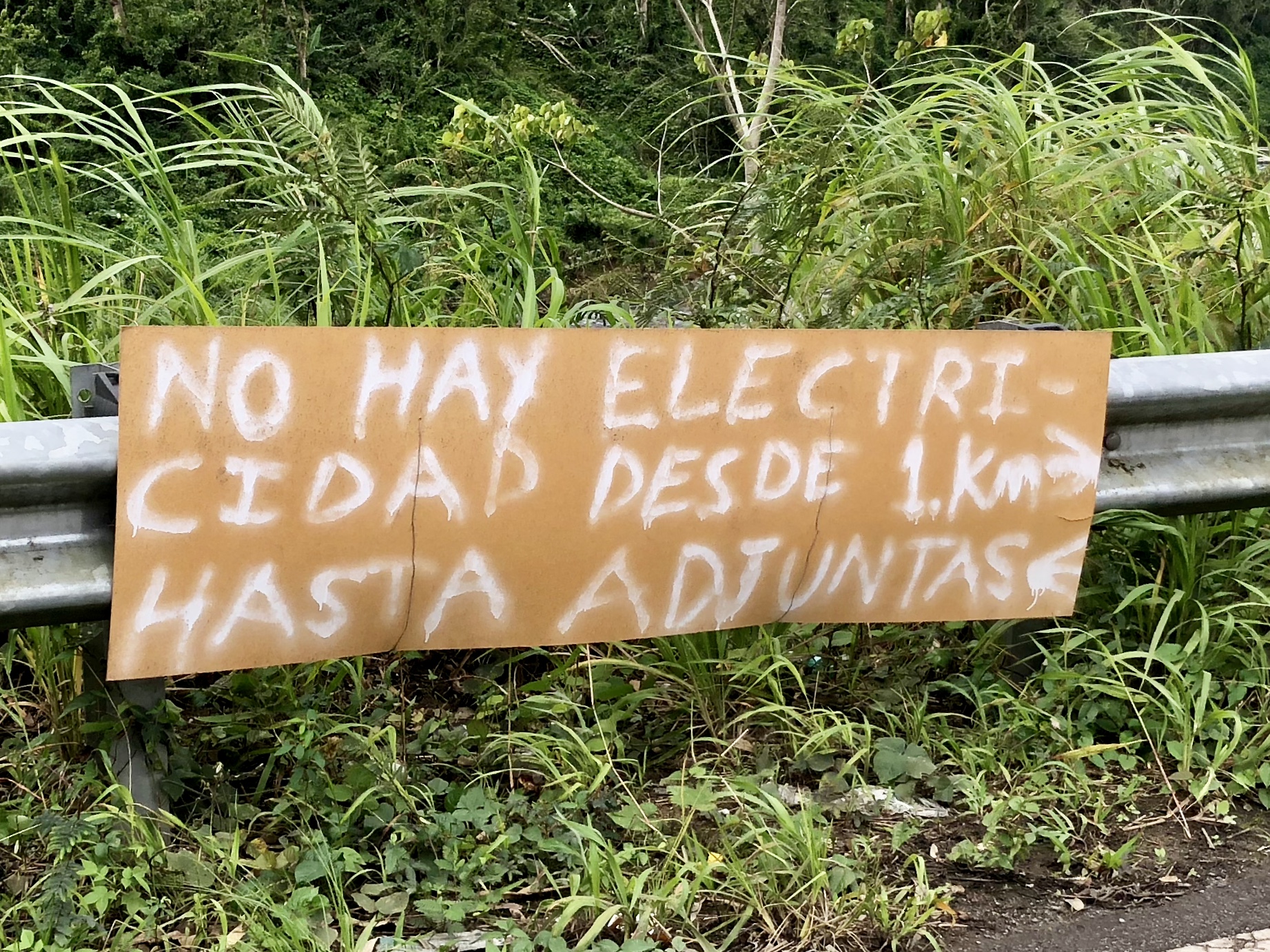
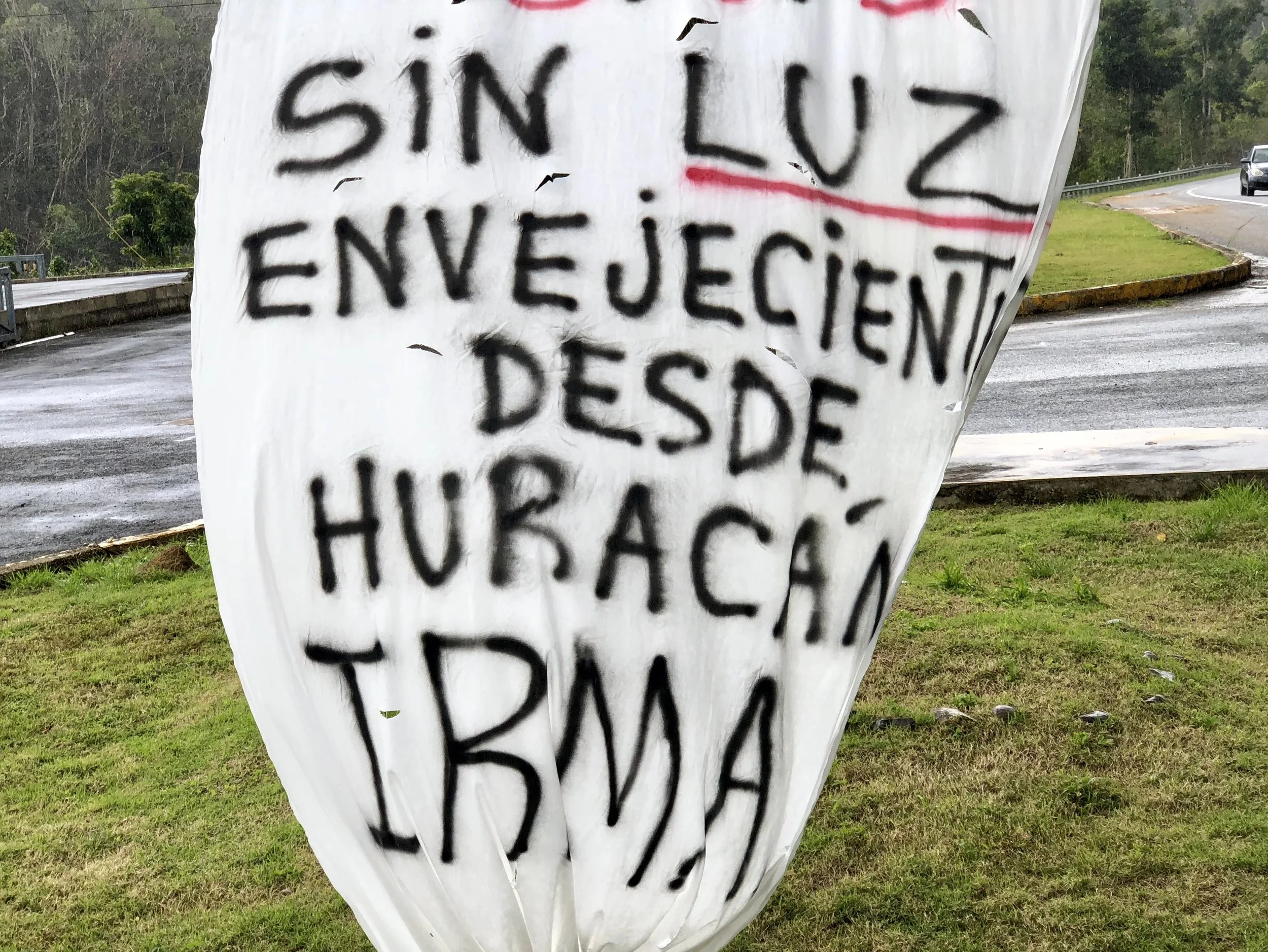
Just past Utuado, a reasonably large and spread out Pueblo south of Arecibo and north of Ponce, there is still no power between Rio Pellejas and Adjuntas in the communities accessible from Highway 123, a distance of about 25 kilometers. This area has received a lot of attention from the press, although that hasn't seemed to help PREPA get electricity beyond Utuado (which has had power since early February). PREPA is the Puerto Rican government run electric company, and you may have read that it will be sold later this year in an effort to privatize and modernize operations. Clearly, PREPA needs to be reimagined, so privatizing it may be helpful. It's essential that PR's electric grid becomes more responsive to the requirements of climate change. This is no mystery to Puerto Ricans. I encountered no resistance anywhere on the island to the notion that climate change will create more frequent and extreme hurricanes, greater ambient temperatures, increased precipitation, and storm surge flooding based on sea level rise. The average Puerto Rican seems to know what's coming.
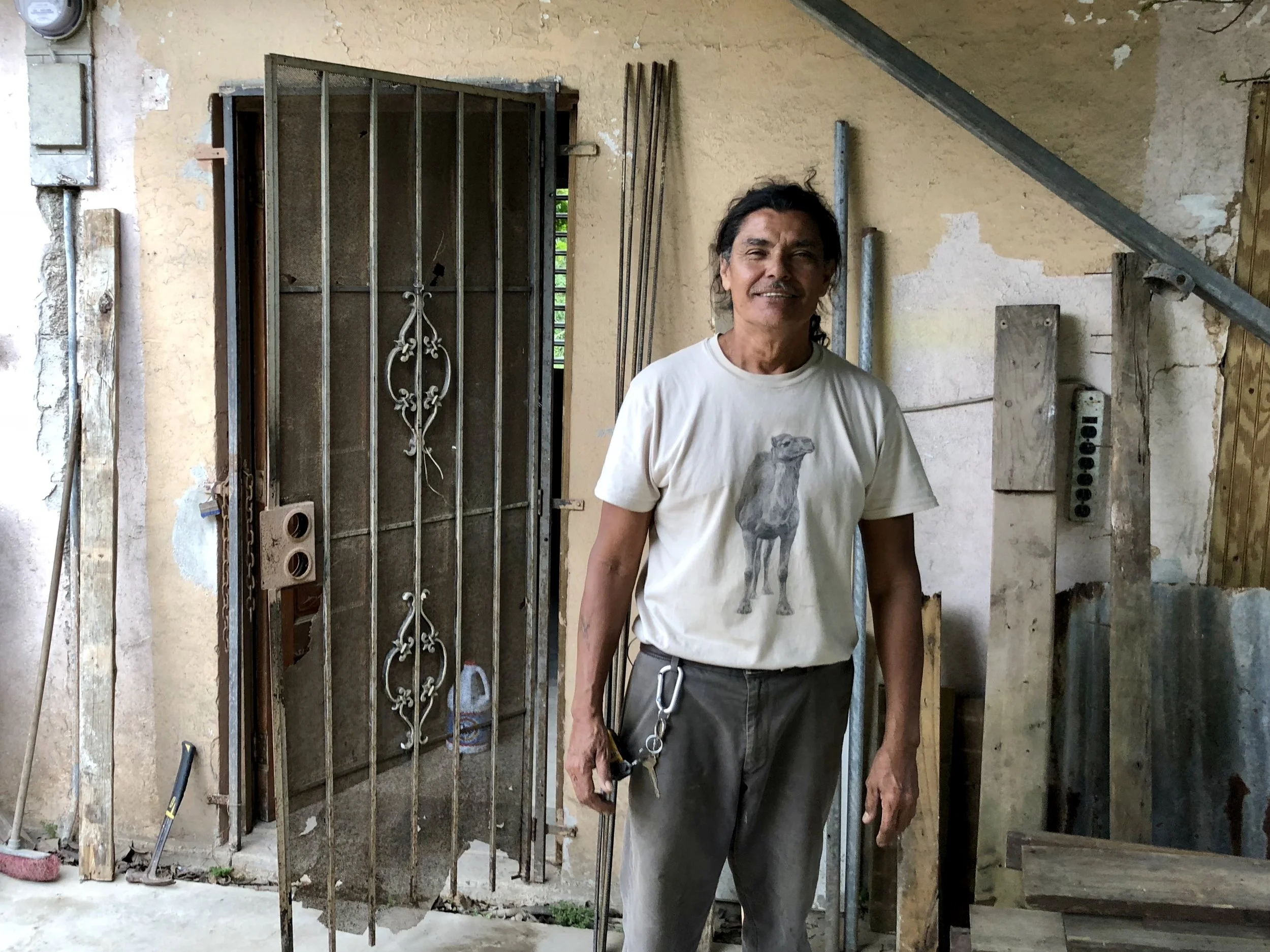
I met Manolito, a Puerto Rican of Taino descent, as I walked through Rio Pellejas to inquire about electricity. There were new electrical cables on poles outside his house, but he and his neighbors were not connected. He didn't know if the cables were live, and he didn't seem too worried about it. His plumbing was fine, and that mattered much more to him. In fact, he mused that after five months, he had become accustomed to life without electricity. He'd be glad when it was back, but he wasn't that bothered by its absence.
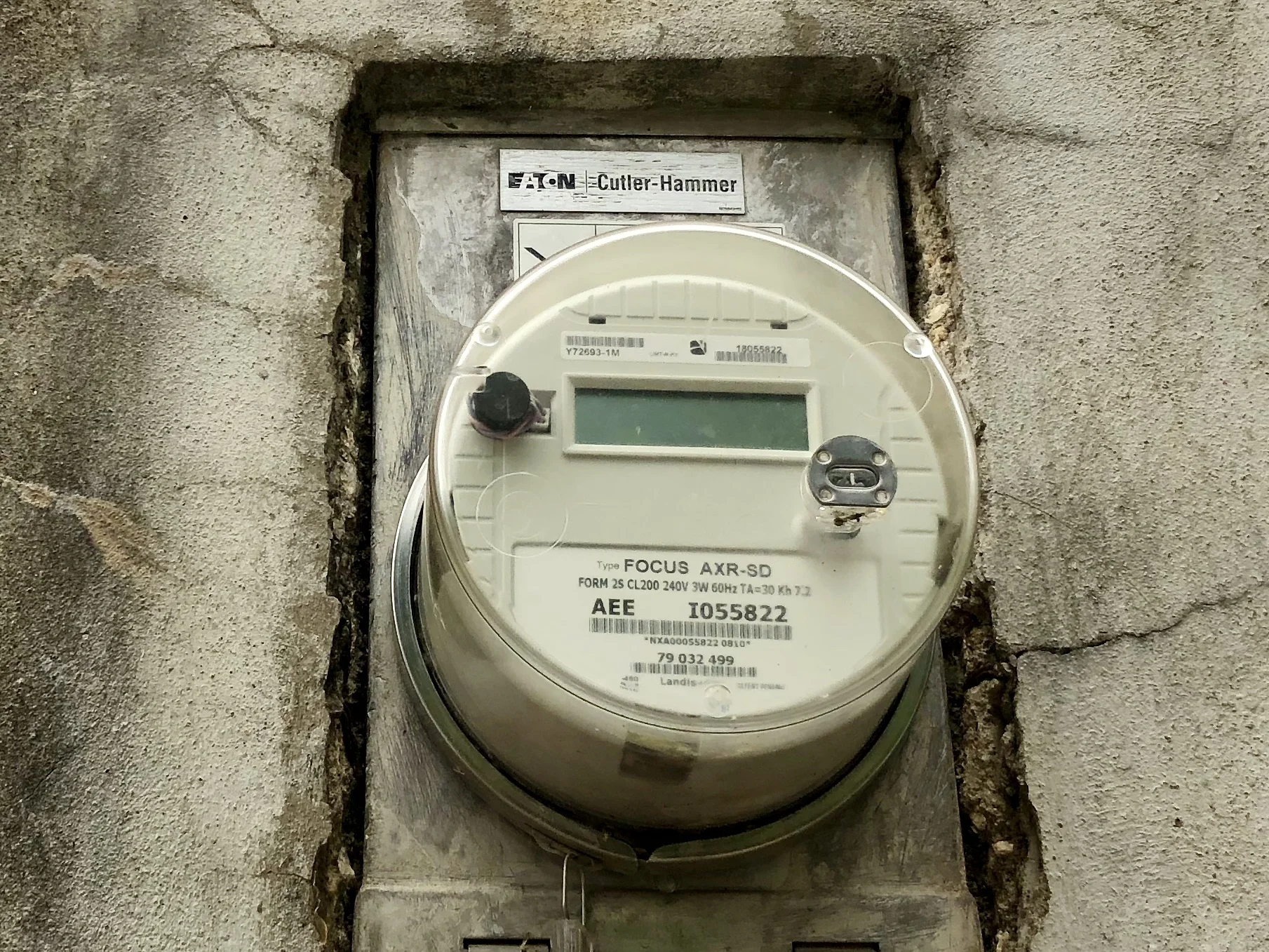
From time to time I find myself reflecting on the reality that we humans have lived with electricity for only about a hundred years, and have enjoyed civilization without electricity for almost 10,000 of the 40,000 years our species has been around. Is its absence really such a crisis? Perhaps so when it comes to health care - modern medicine certainly cannot function without it. But in most other ways, I'm not so sure. (I do appreciate the irony of writing that statement while composing a blog on my cell phone.)
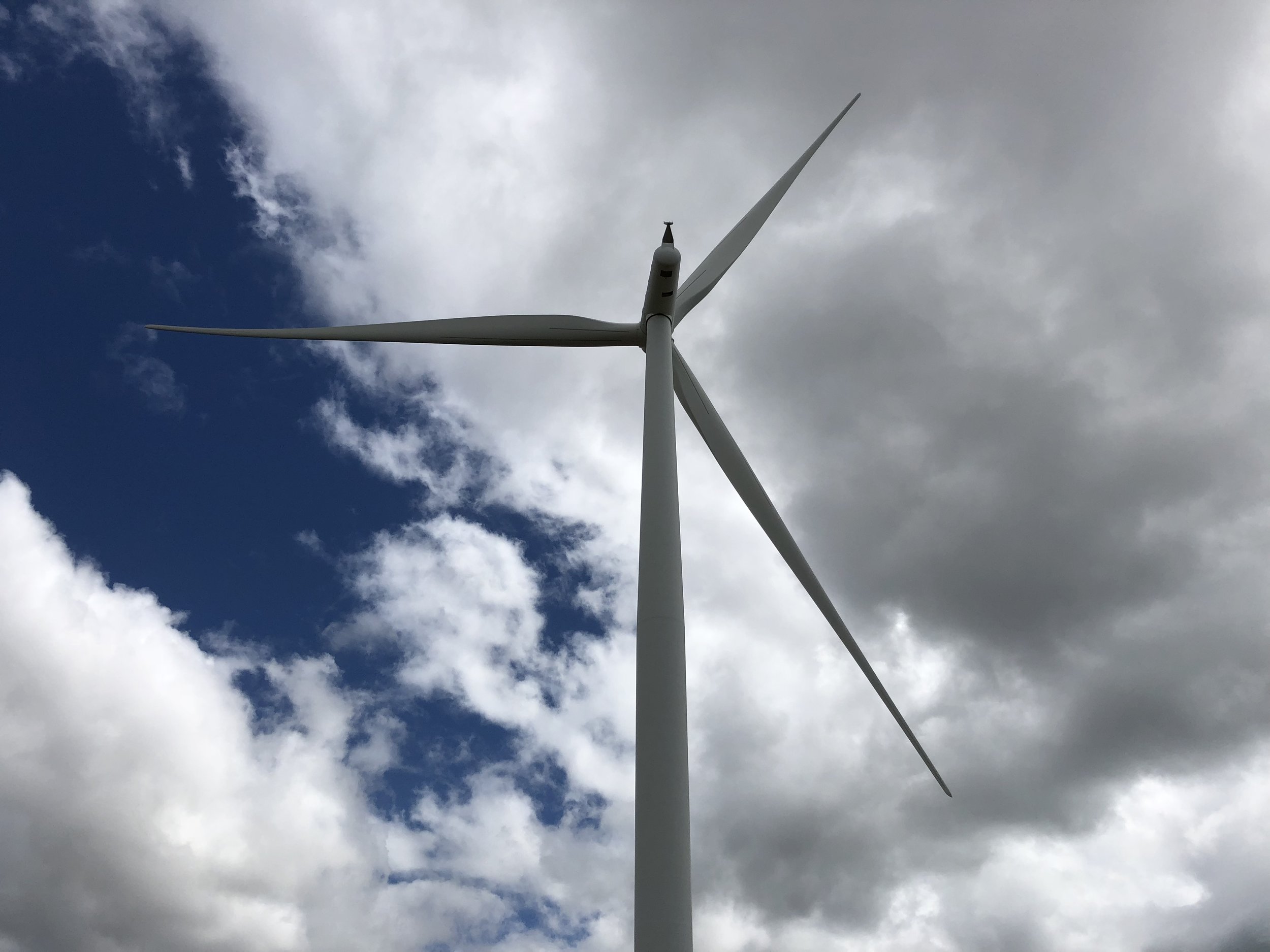
In spite of PREPA's overwhelming reconstruction challenge and their bureaucratic inefficiency, they have made some good choices. The government talks about establishing a portfolio standard with a goal of 30% renewables, which seems reasonable in an environment with an unlimited supply of wind and sunshine. Currently 13% of PREPA's full load is delivered through renewable sources. In 2012, PREPA contracted with Pattern Energy (headquartered in San Francisco, the company has 20 industrial sized wind and solar facilities all over the globe that generate more than 4000MW) to construct a wind farm slightly east of Ponce near the pueblo of Santa Isabel on the south coast. With 47 turbines, the Santa Isabel Wind Farm has a full capacity of 101 Megawatts, and is perfectly situation to take advantage of the constant and vigorous trade winds that blow from the east and southeast. Although the wind farm was built in 2012, the greatest capacity that PREPA has ever solicited has been 75MW (about 8% of PREPA's supply), which is what the farm was supplying to PREPA just before Hurricane Maria hit in September of 2017. There is another wind farm on the southeastern coast of PR near Naguabo called Punta Lima that was built and is run by Gestamp Wind, which had 13 turbines and a full capacity of 23MW. Unfortunately this farm was directly in the path of Maria and had to contend with winds that reached up to 200 mph. So, most of the turbines there were seriously destroyed by Maria, and the farm is not at all functional at this time. The Santa Isabel Wind Farm was also damaged, and some turbines are still being repaired. But its construction and fail safe technology allows it to survive 150 mph winds, and the blades can turn 180 degrees so that higher winds will be deflected and less damaging. At Santa Isabel, Maria's winds averaged 135 mph, with a few gusts that matched or exceeded 150 mph. As a result, about half of the turbines are currently online and the farm has a production capacity far greater than PREPA can currently utilize. At this time, PREPA is only taking 5MW. In spite of some ongoing repairs, the Santa Isabel Wind Farm will be able to supply at full capacity as soon as PREPA can absorb it.
I was impressed and delighted to learn that in this context the word "farm" has a double meaning. While fracking pads and oil wells are extraordinarily noisy and restrict terrain because of toxic exposure and protection from machinery, it is possible to grow crops directly underneath a wind turbine. The Santa Isabel Wind Farm is a "farm" in the truest sense of the word. Underneath its 3400+ acres are highly productive tomato fields, mango and papaya orchards, peppers, onions, eggplant, pineapple and approximately twenty other crops. The 800 acres of tomatoes can yield enough harvest in one day to supply the island for a week. The fields are shared with approximately 25 farmers who lease the land from the government at a beneficial rate, and also work closely with PR Farm Credit. In spite of Maria, the farms are fully functional now - which is very good news, considering that In the aftermath of Hurricane Maria, the New York Times reported that 80 percent of the crop value on the island — about $780 million — had been lost to the storm. Puerto Rico imports about 85% of its food, so the quick recovery of enterprises like this help lessen that dependency.
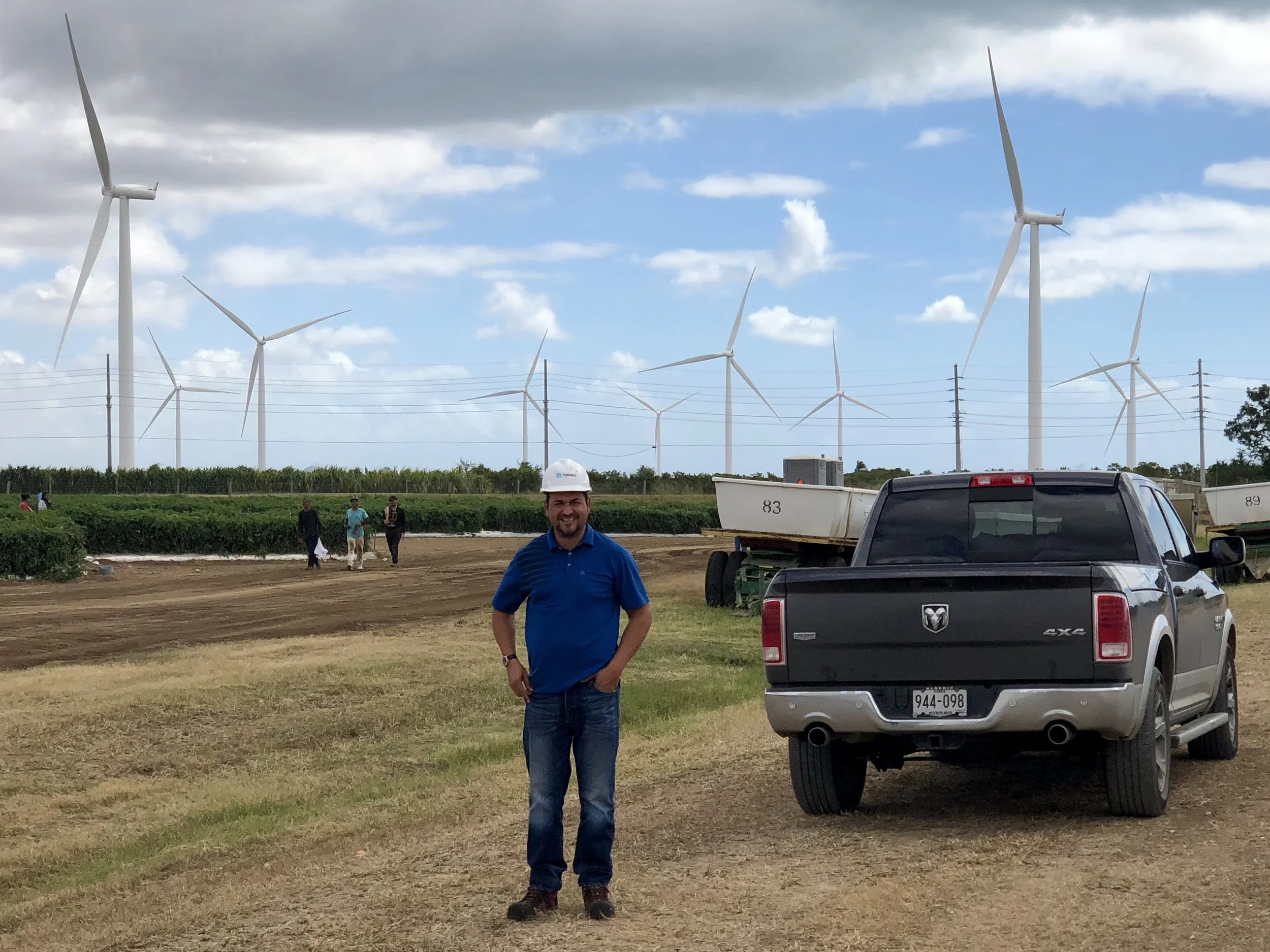
Behind my host Rueben Rivera of Pattern Energy and next to his truck, is a white trailer, which can be joined with other trailers to create a "train" pulled by a large tractor that can bring crops (tomatoes, in this case) to market.
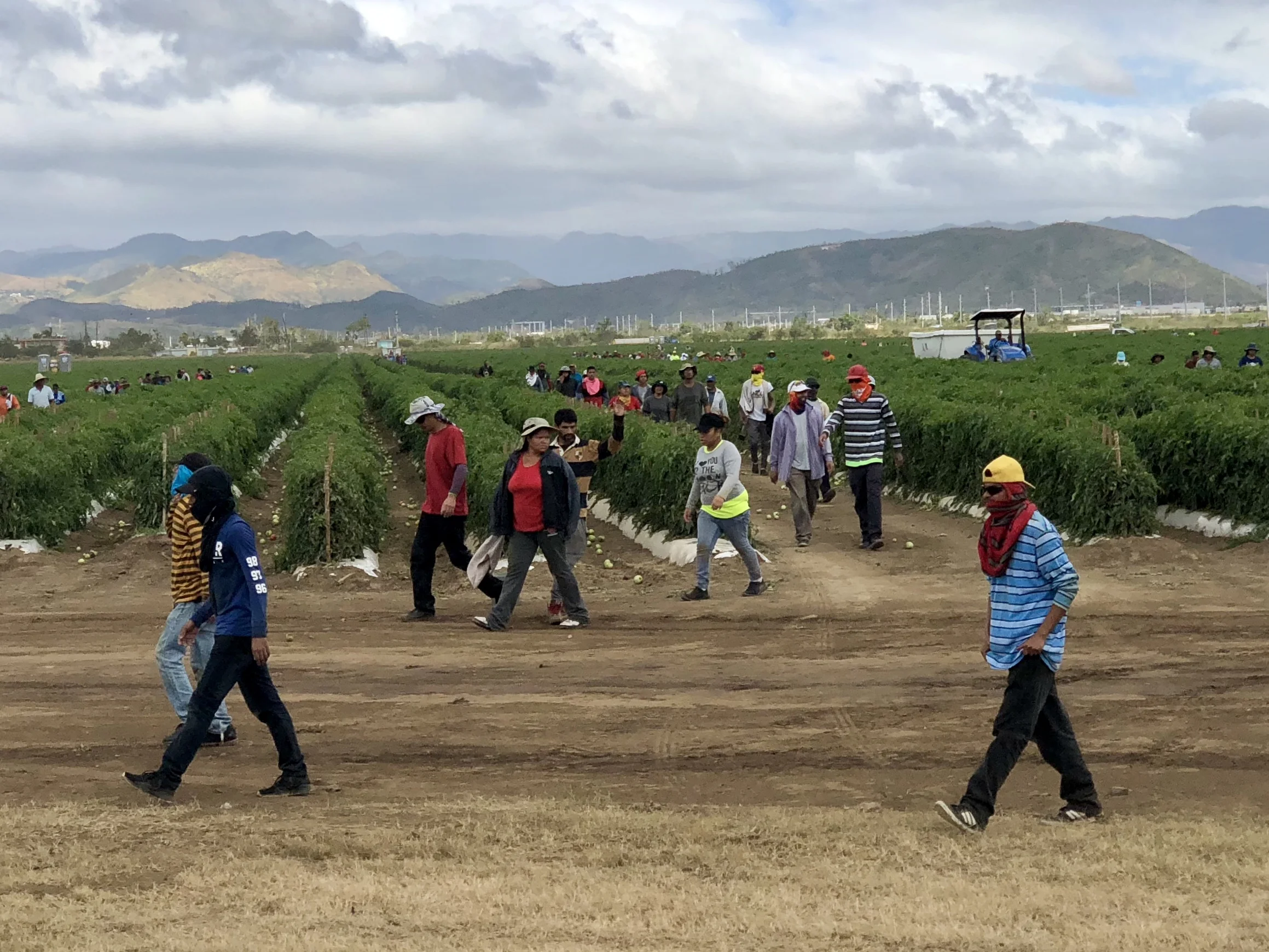
While Rueben and I toured the farm, workers came in from the tomato fields for lunch. The Santa Isabel Wind Farm creates hundreds of sustainable jobs, primarily through agriculture. Interestingly, Ruben Rivera studied agronomy in college, even though he is now an operations manager for the wind farm. It was a pleasure to watch this capable man in an environment that aligns so closely to his values, way of life and skill set.
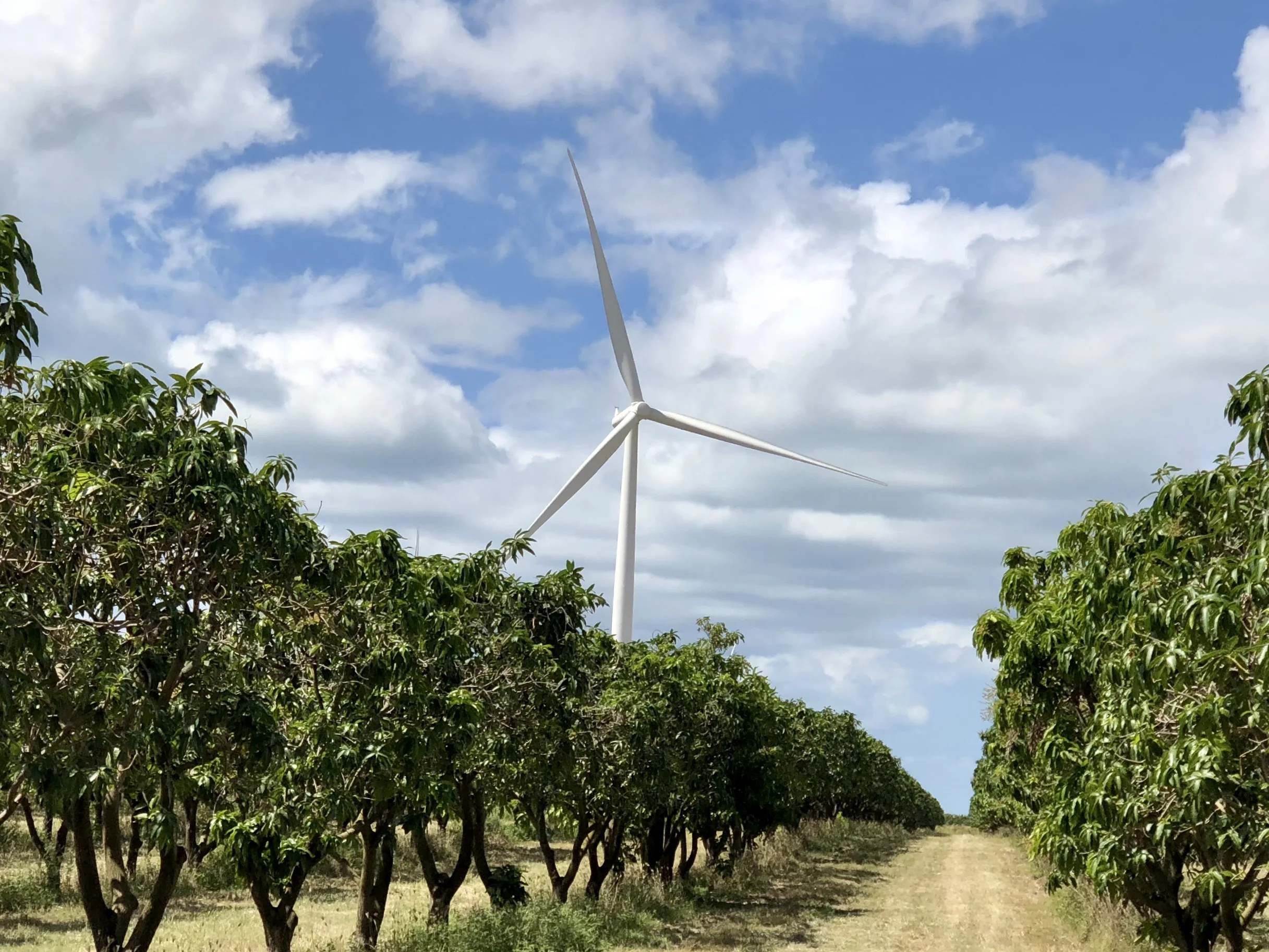
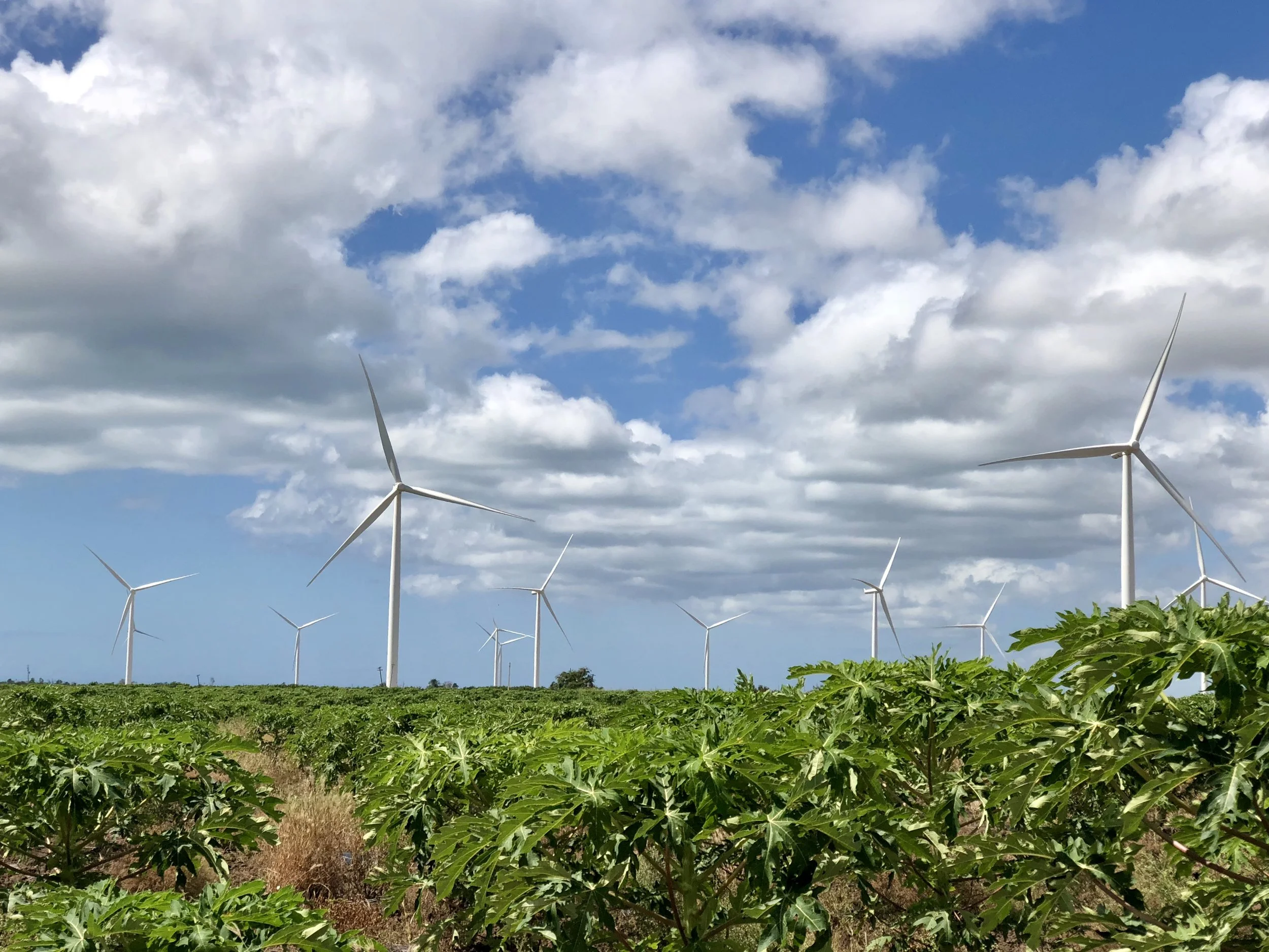
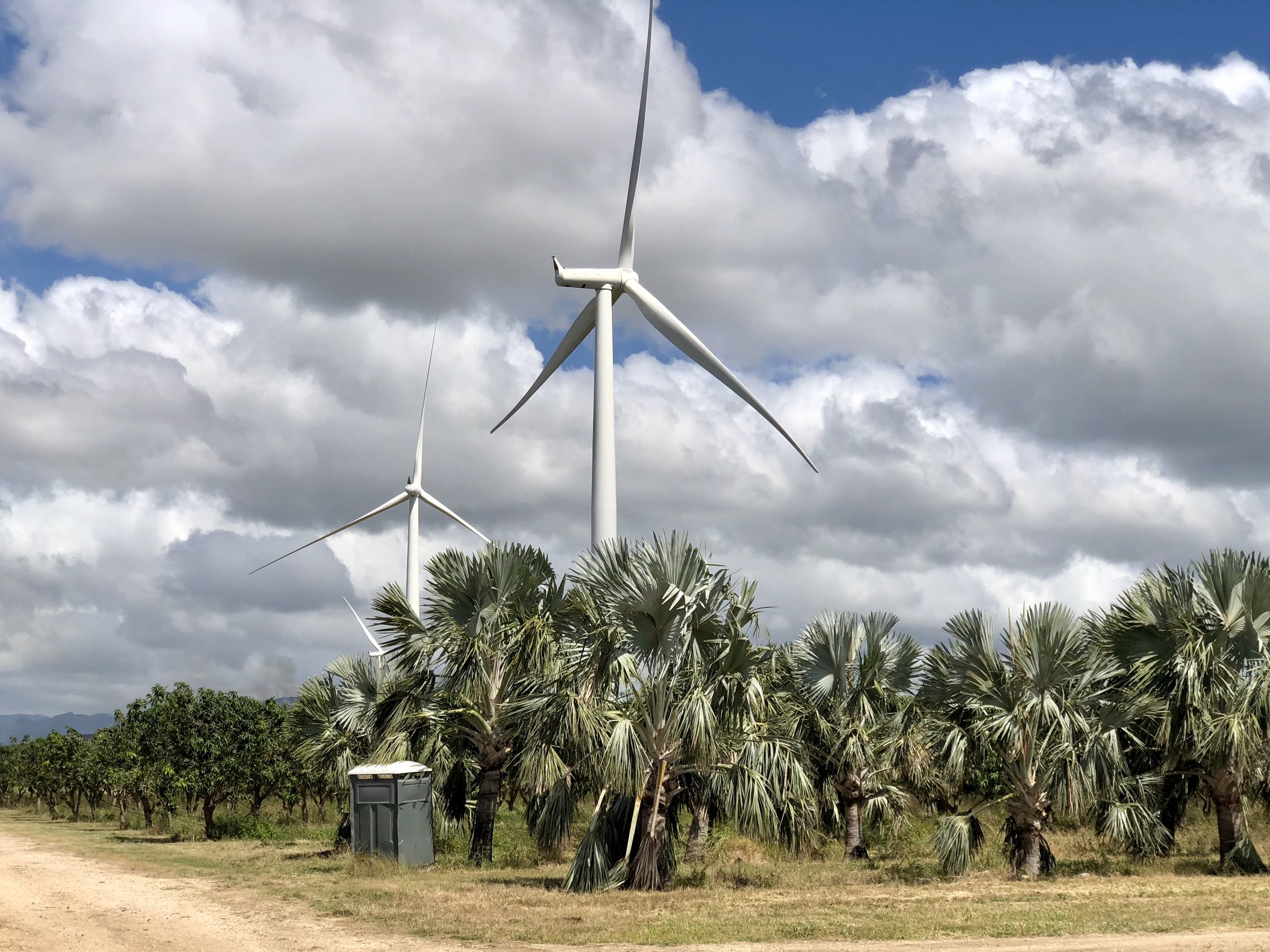
As we drove past the tomato fields we entered mango and papaya orchards. I cannot express how fulfilling it was to see how a clean source of energy could be paired with intensive food production. And, for skeptical readers, I want to make it clear that I took some time to get out of Ruben's truck and intentionally stand near a turbine while I listed to the white noise of the rotating blades. I have also stood near fracking pads, and I can assure you there is no suitable noise comparison. Anyone who complains about the noise of a wind turbine has never listened to an oil well or a fracking pad. Oil wells are irritating. Fracking pads are deafening. Wind turbines are neither.
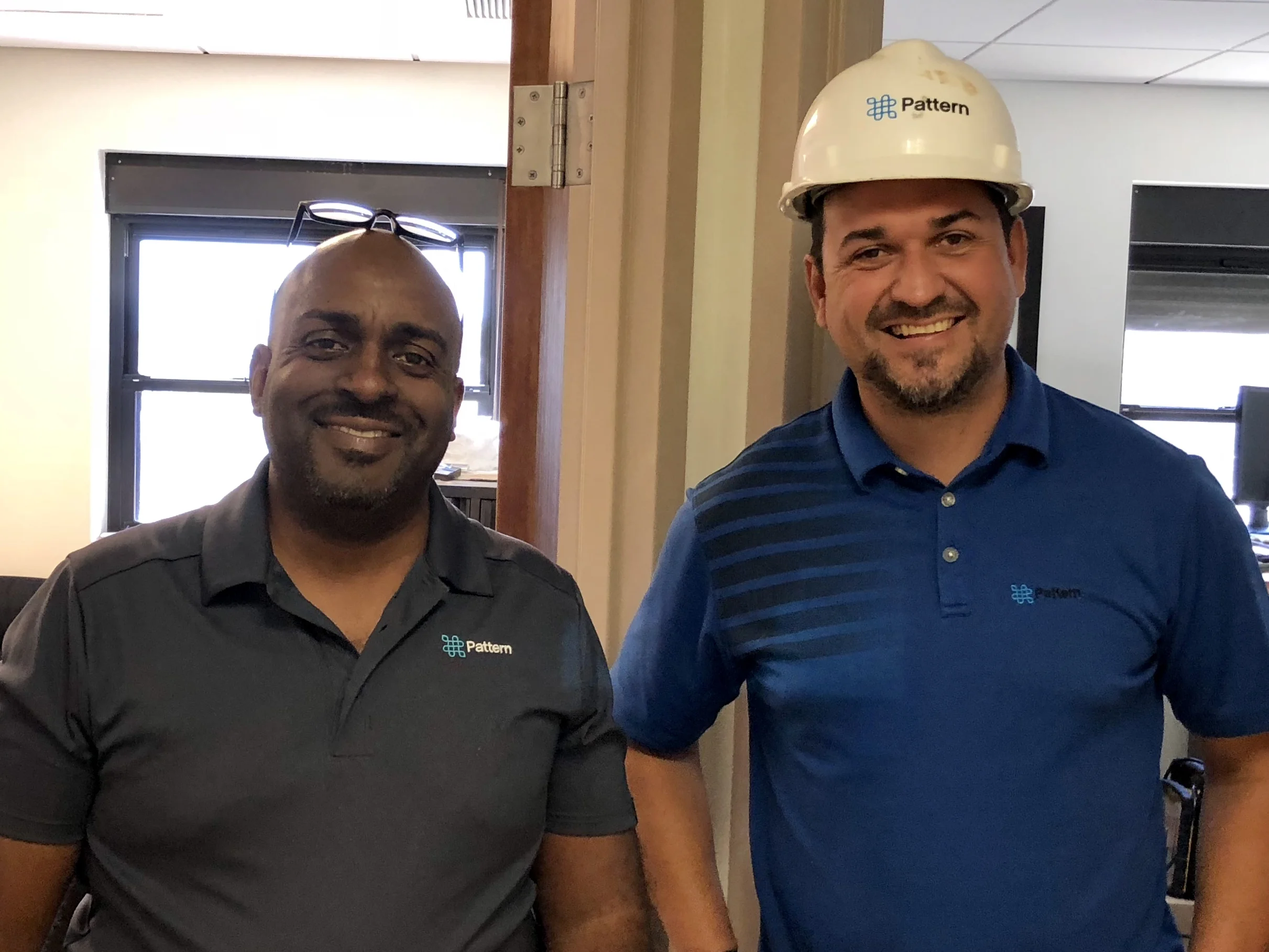
These were my capable and warm hosts at the Santa Isabel Wind Farm, Carlos Roman and Ruben Rivera, respectively.
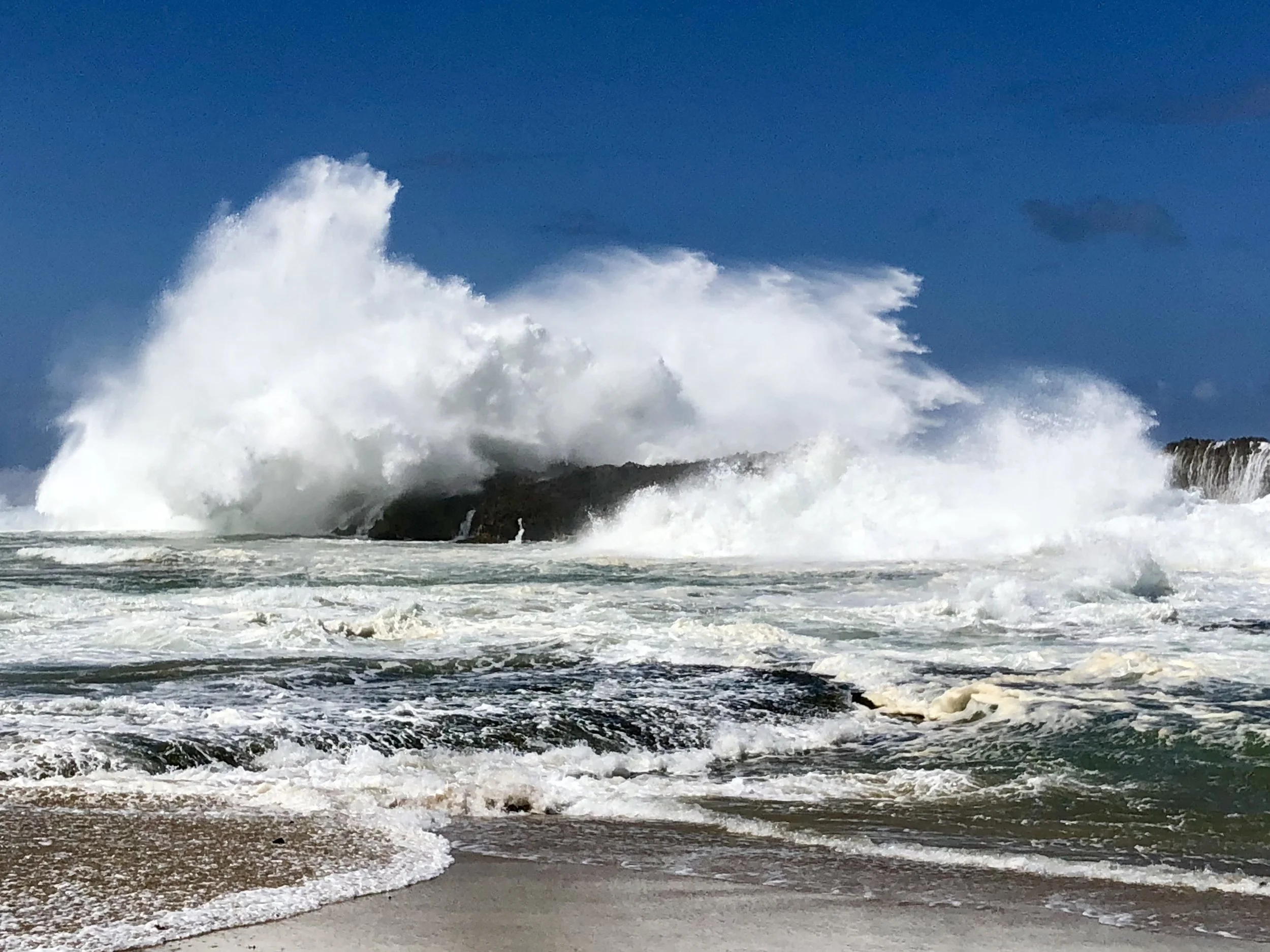
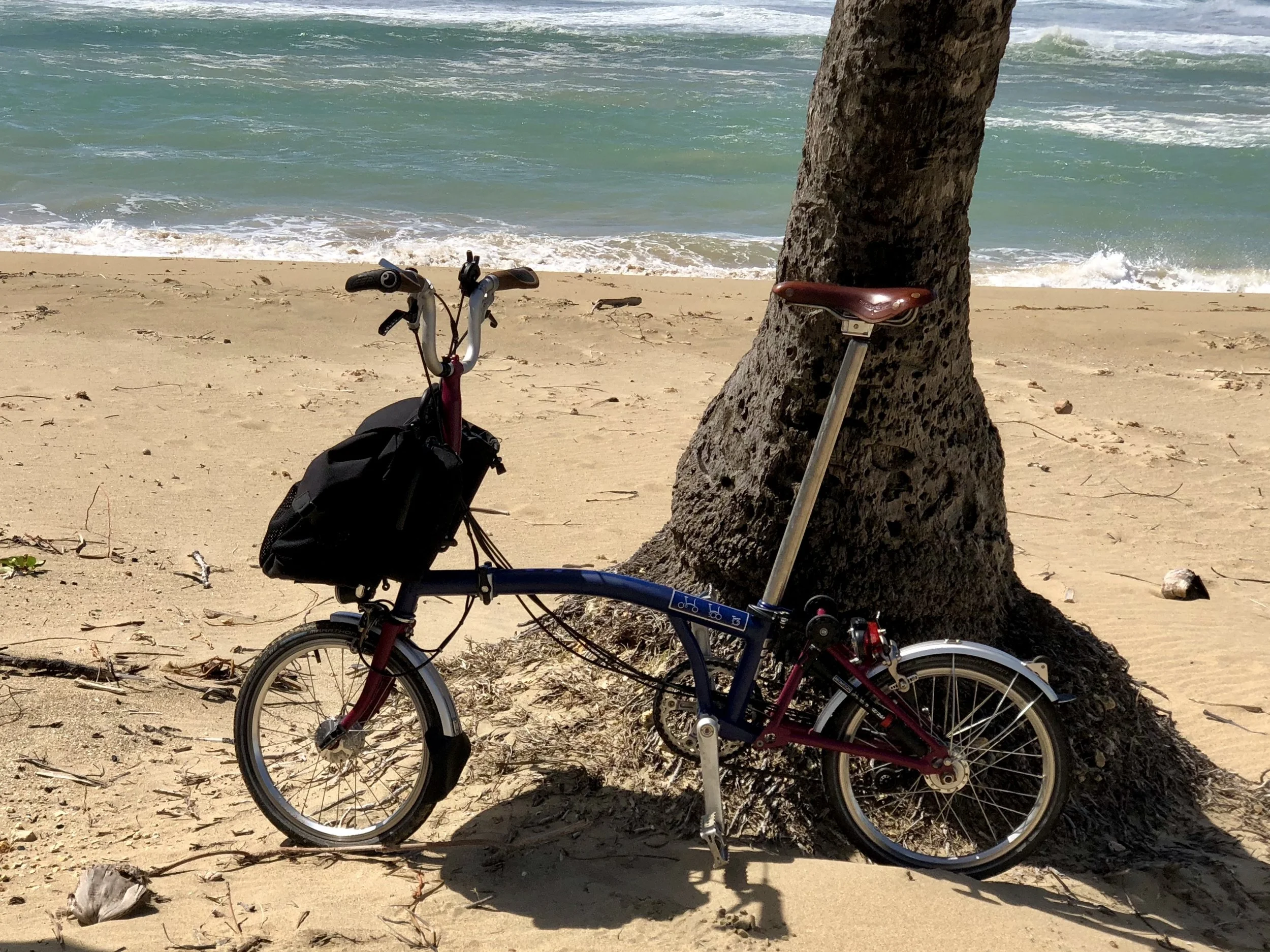
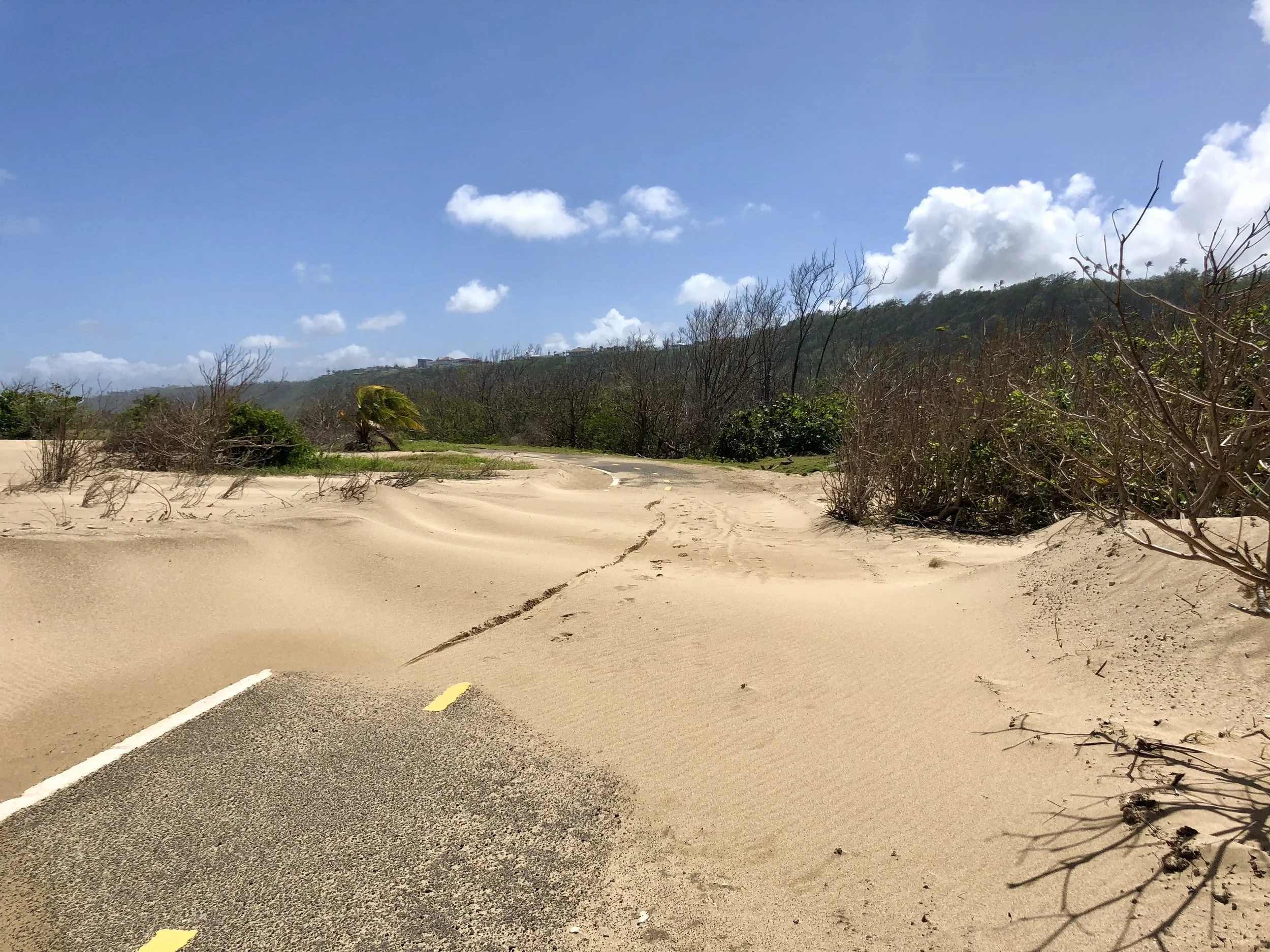
All good things must come to an end. These last photos were taken west of Quebradillas on the northwest coast, where in spite of obvious hurricane damage, the beaches are spectacular. I spent my last day biking along one of PR's few designated bike paths. And although I had to contend with a ferocious wind from the east, and dodge sand dunes altered by the hurricane, I was happy to be warm and sunbaked.
I recommend you go, if you can.
Puerto Rico Se Levanta, PR post Maria, Post 2
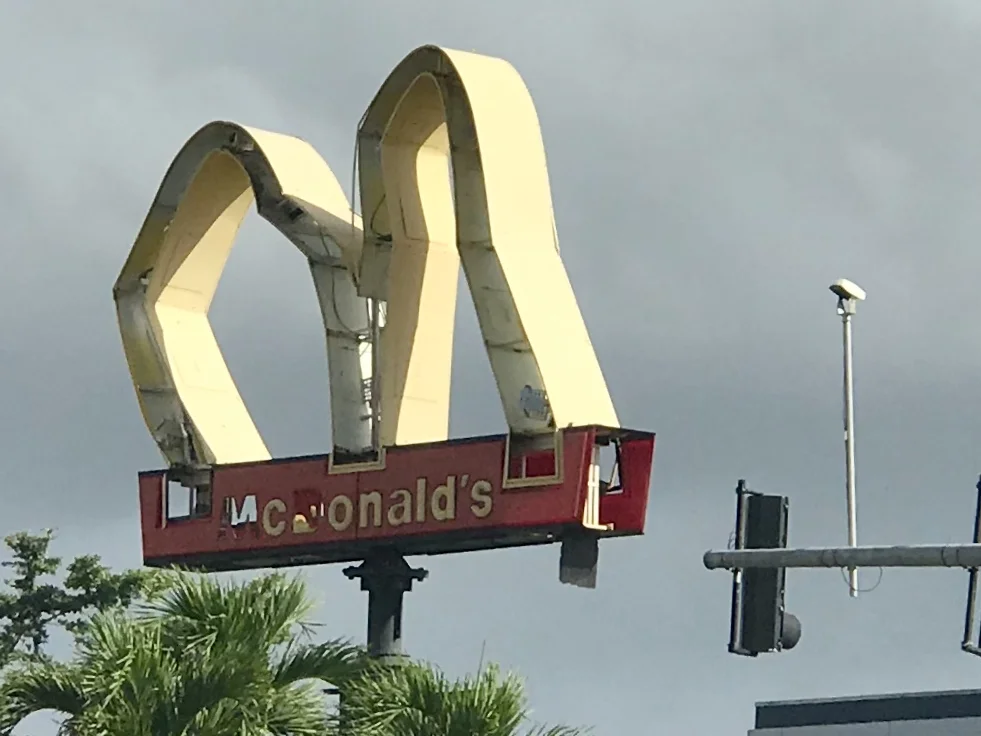
A MacDonald's sign on Roosevelt Ave in San Juan.
Martin Luther King Day is widely celebrated in Puerto Rico. King came to the island twice to deliver speeches, and The King Center contains several written exchanges between Puerto Ricans and King, including a letter from PR's Secretary of Education about race issues in Puerto Rico. This letter explains to King that racism in Puerto Rico is the product of an imposed colonial system with a quote that says it all, “In the United States, a man’s color determines what class he belongs to; in Puerto Rico a man’s class determines what color he is.” (from Latinorebels.com)
Interestingly, slavery was not abolished in Puerto Rico until 1873, and with a significant caveat. Slaves were not emancipated; they had to buy their own freedom, at whatever price was set by their last masters. Former slaves earned money in a variety of ways: some by trades, for instance as shoemakers, or laundering clothes, or by selling the produce they were allowed to grow, in the small patches of land allotted to them by their former masters. (from Wikipedia)
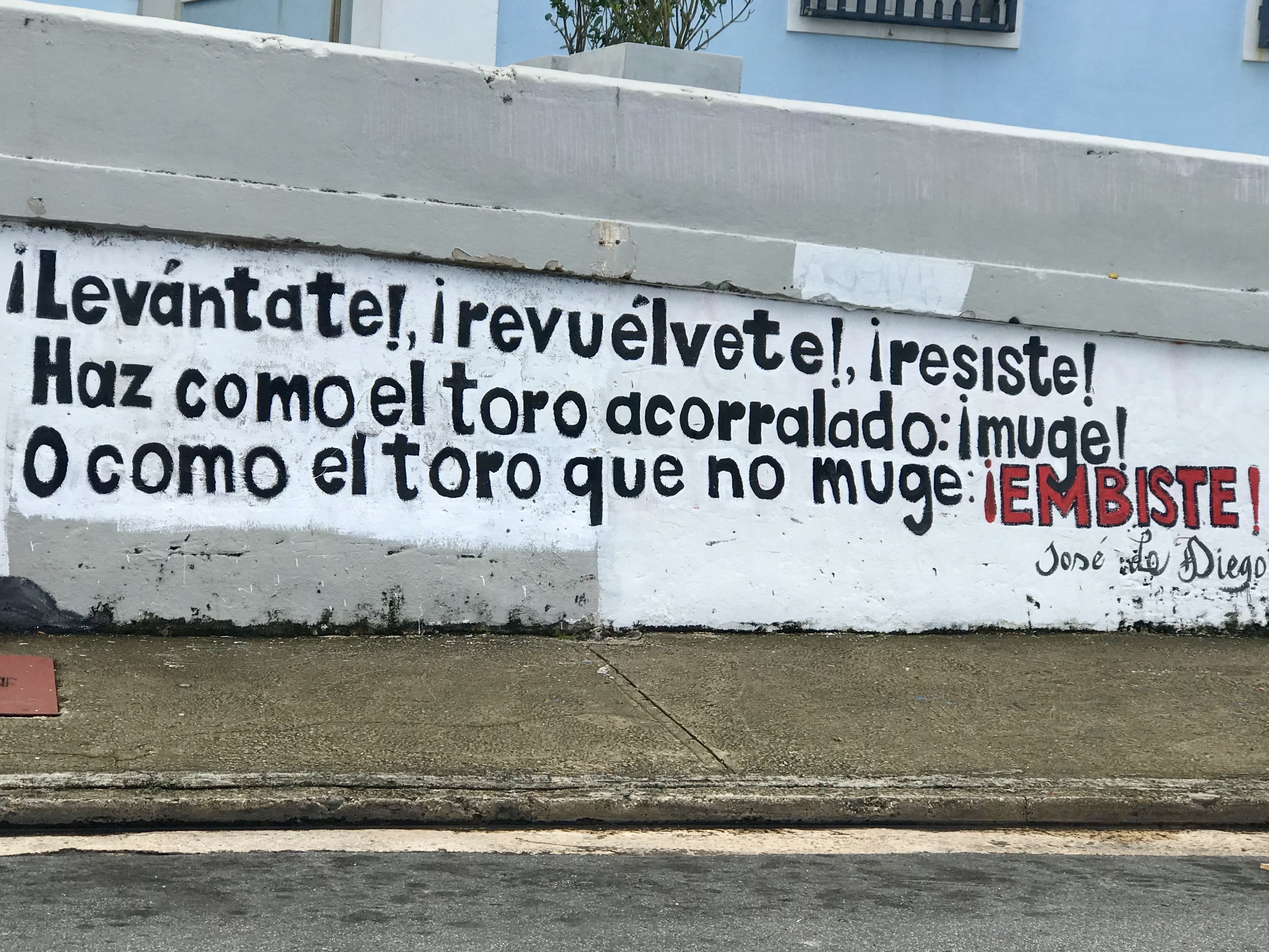
A wall in Viejo San Juan. There are three political groups here, two are mainstream. One wants statehood, the other is fine with the status quo of being an American Territory. The third more marginalized group wants independence. This sign is representative of the third.
I had Monday free from Spanish class because of the MLK holiday, so I decided to take an overnight trip on Sunday to Fajardo, a beach town on the northeast coast of the island about 50 miles east of San Juan. I got there by renting a car because I didn't feel secure about cycling that far along the coast while struggling with of hurricane debris and electric utility trucks. On Saturday I had ventured east about 15 miles on my bike, and although the coast is beautiful, cycling in PR right now is quite challenging. Of course, it is also very fascinating. How could it not be?
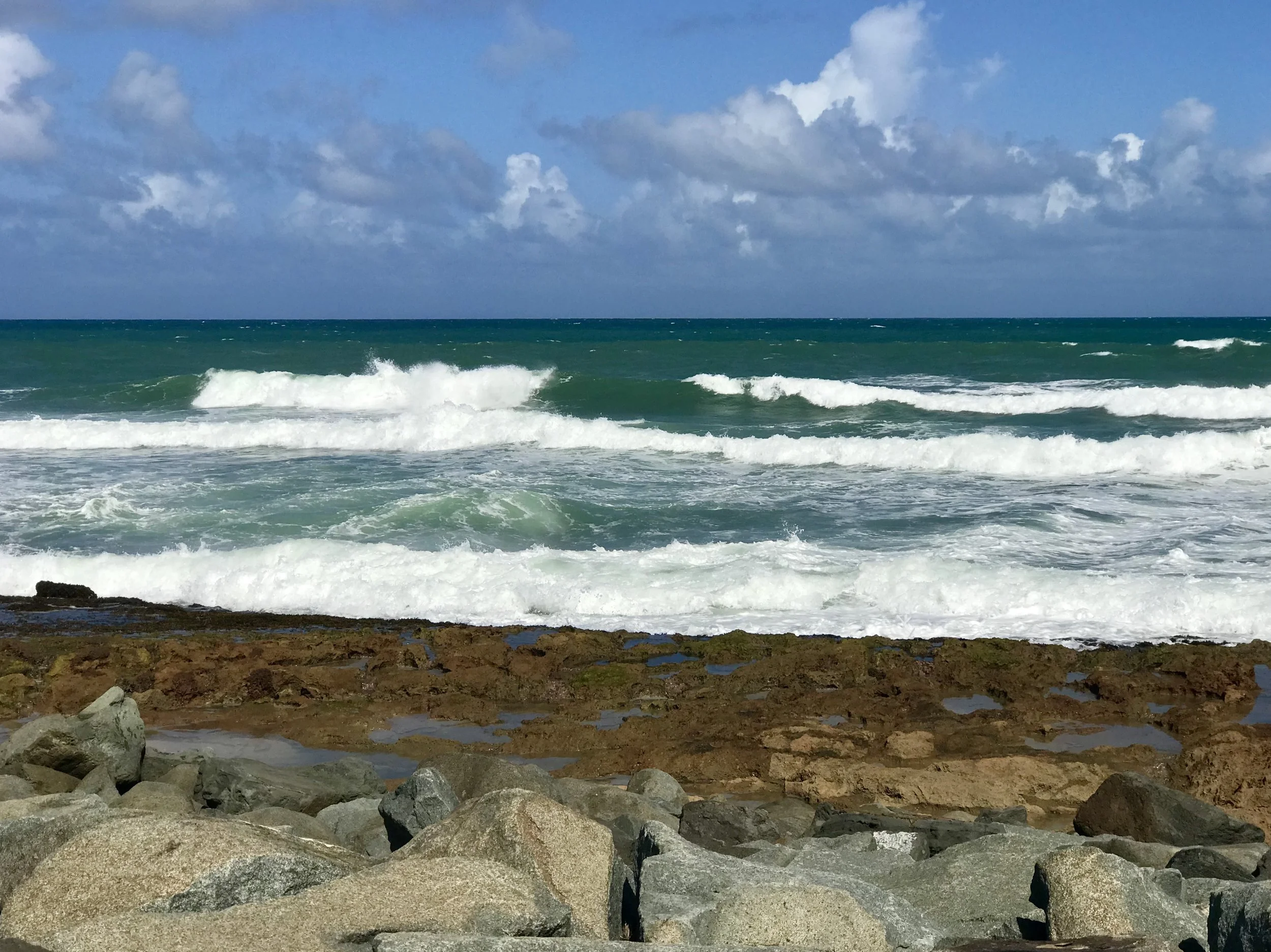
Typical view on the Océano Atlántico.
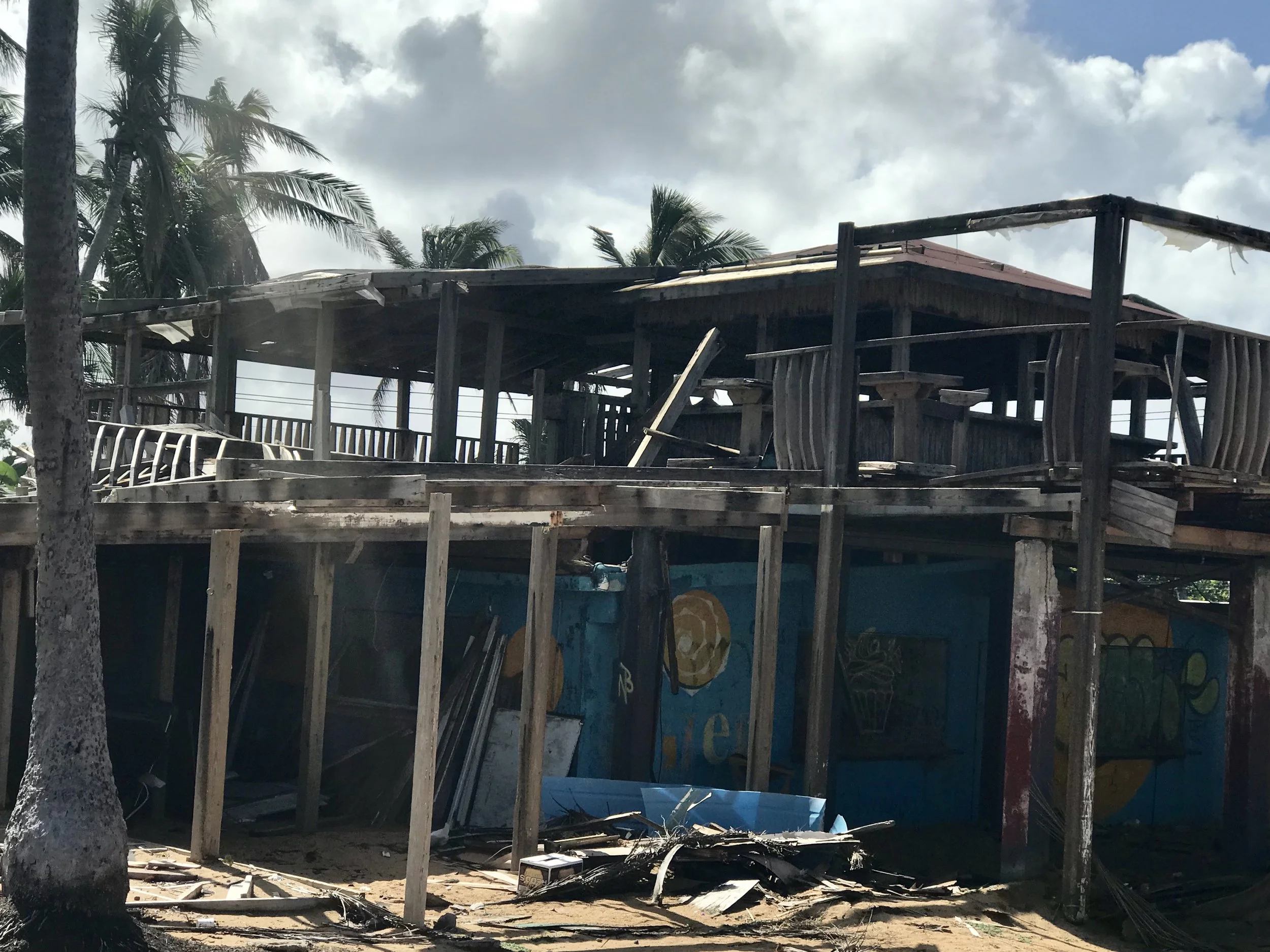
Remains of a house near the beach at Punto Vacea Valega.
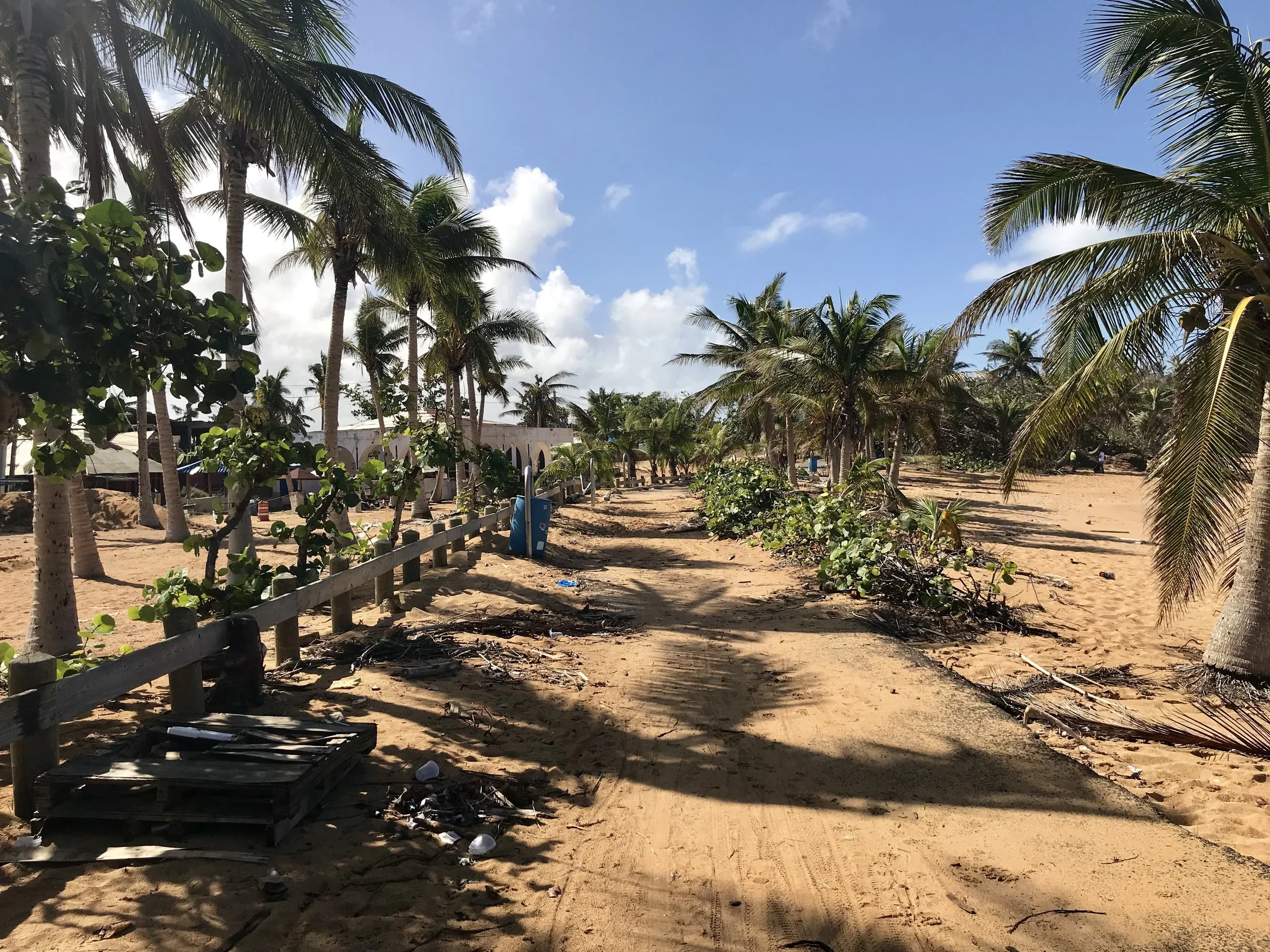
Sand covers an asphalt bike path.
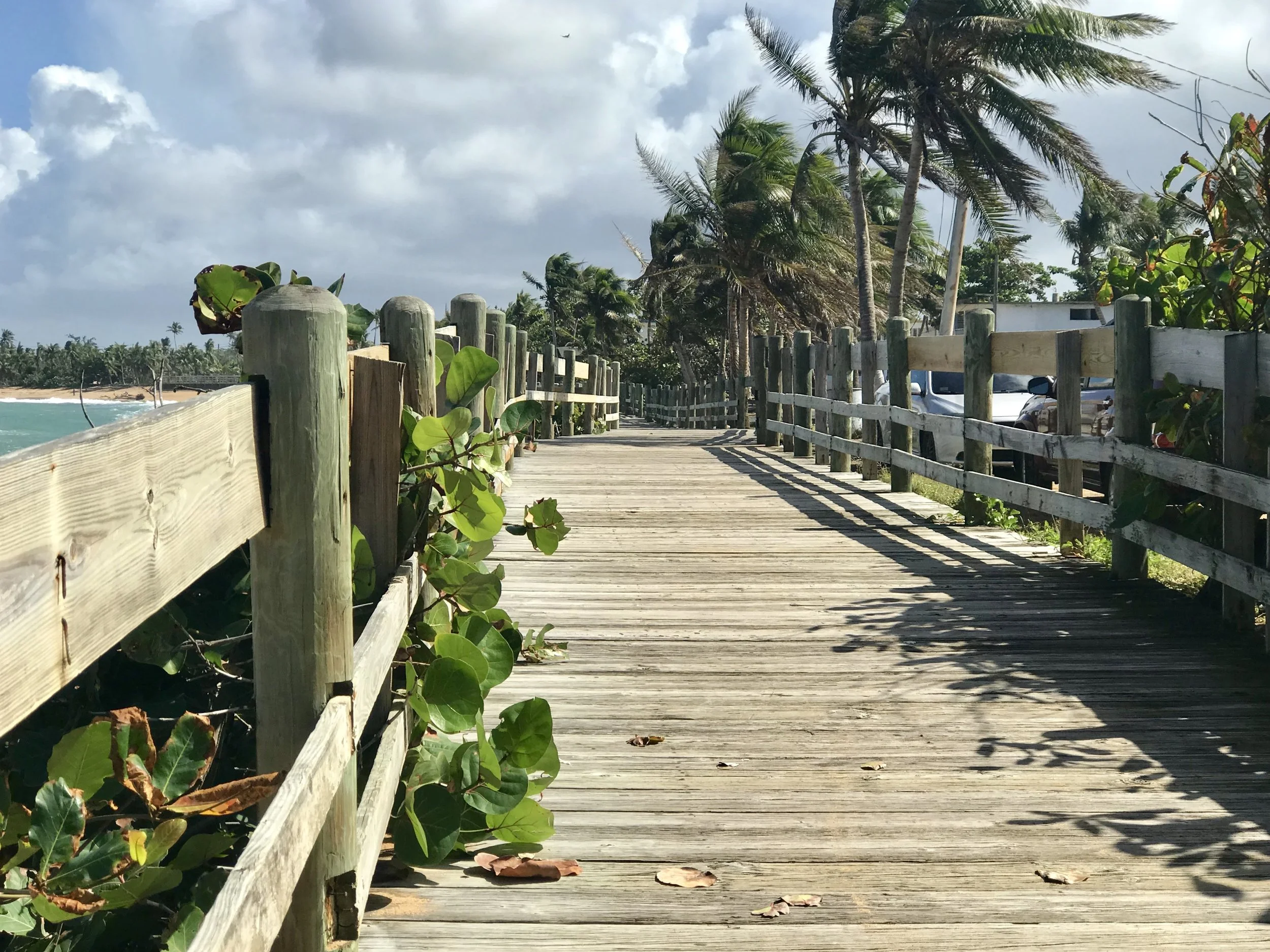
The coastal area east of the San Juan airport is known for a 12 kilometer designated bike path that follows along the beach and into an adjoining rain forest on asphalt, sand and extended sections of a timber bridge.
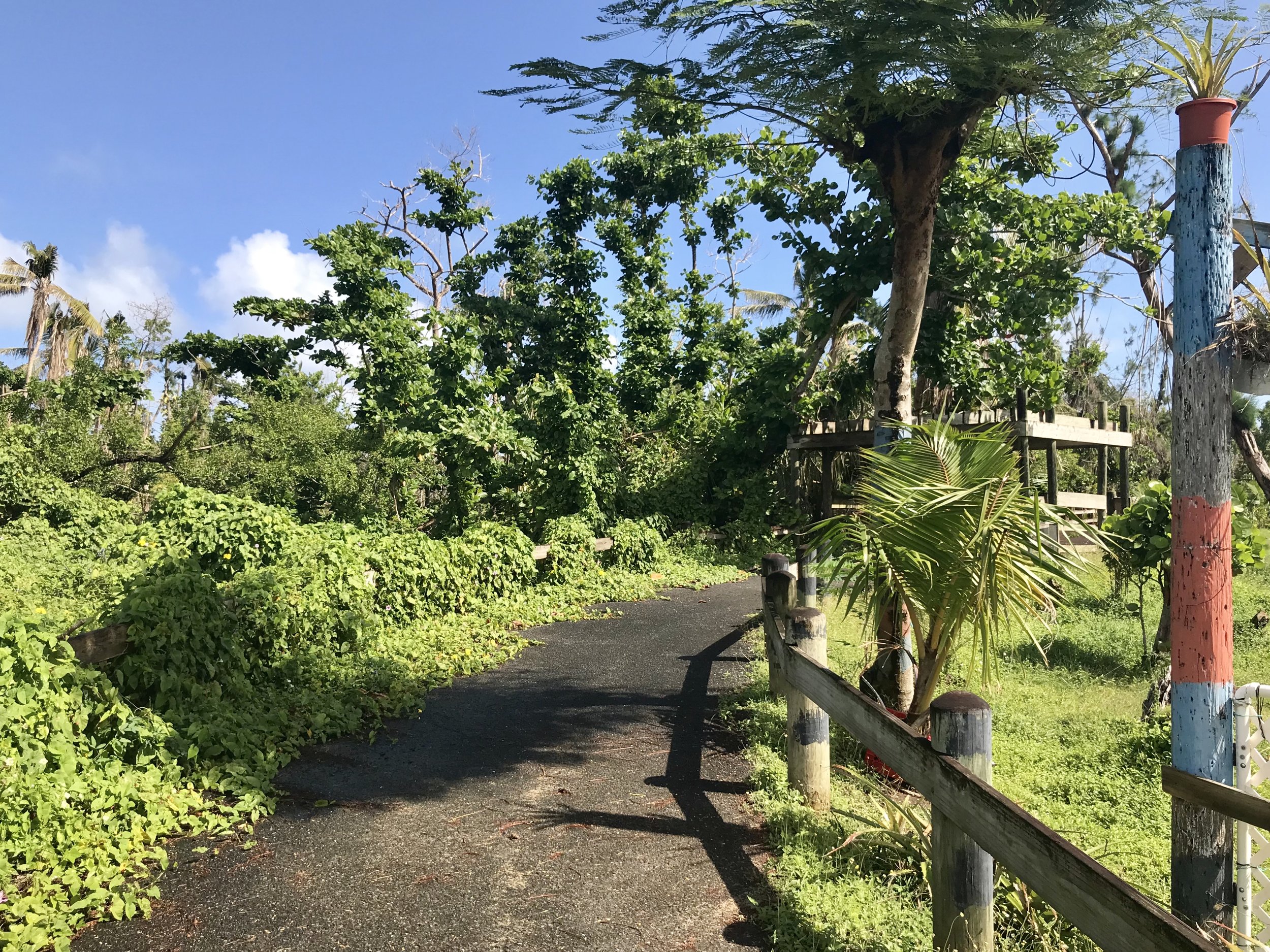
The bike path near Loiza.
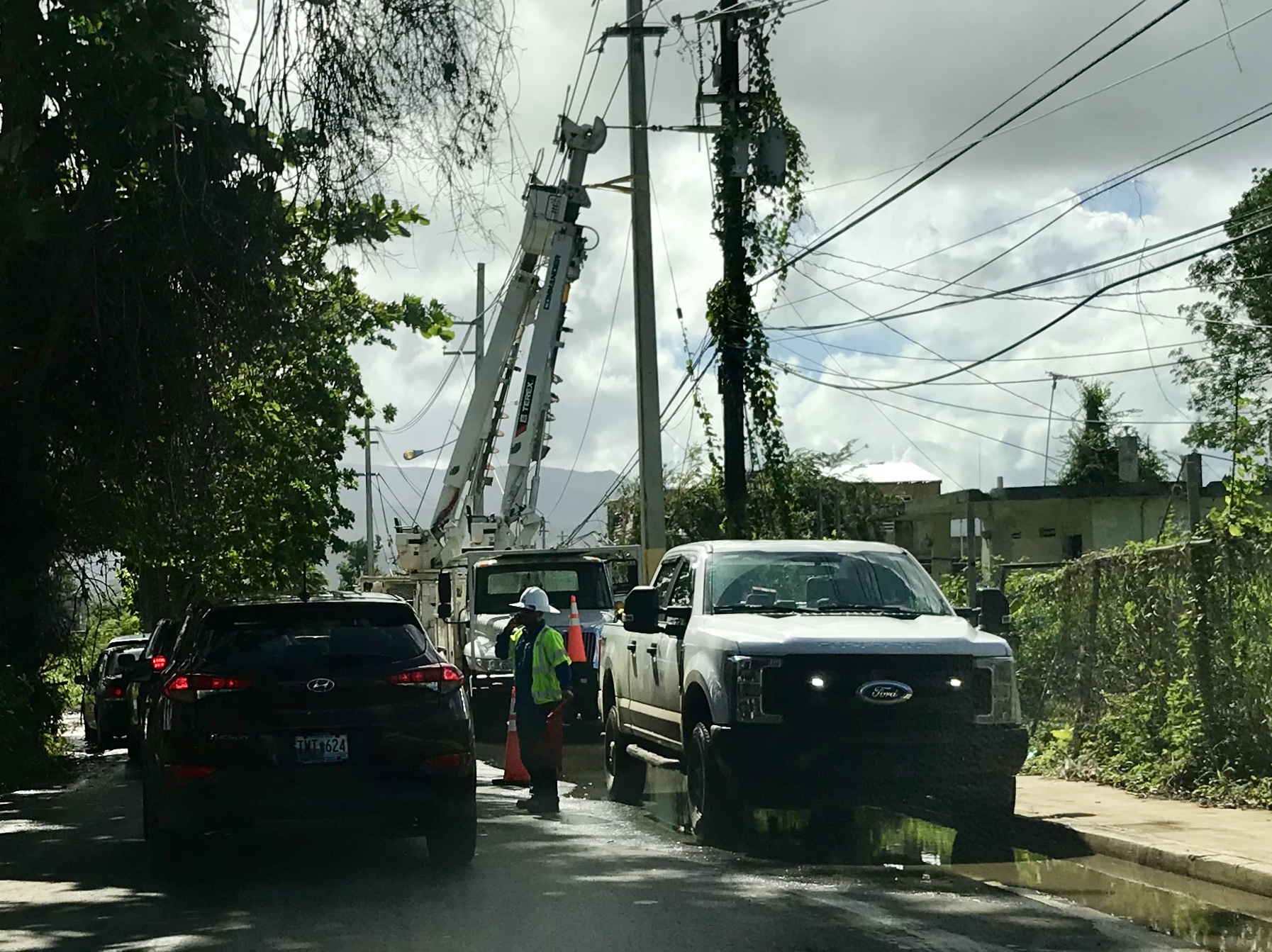
Electric utility trucks are everywhere.
Fajardo is a boaters town, with the largest marina in PR, great beaches, a bioluminescent bay and ferries to Vieques and Culebra. You may have read about Vieques. Along with Utuabo in the central mountains of PR, this highly prized tourist island still has no electricity. As for Fajardo, I was disappointed, but not at all surprised, to learn that there were no tours yet on the bay, and that I could not gain access to the two extraordinary peninsulas of protected land surrounding large lagoons, remote beaches and a lighthouse; they are all closed as a result of the hurricane.
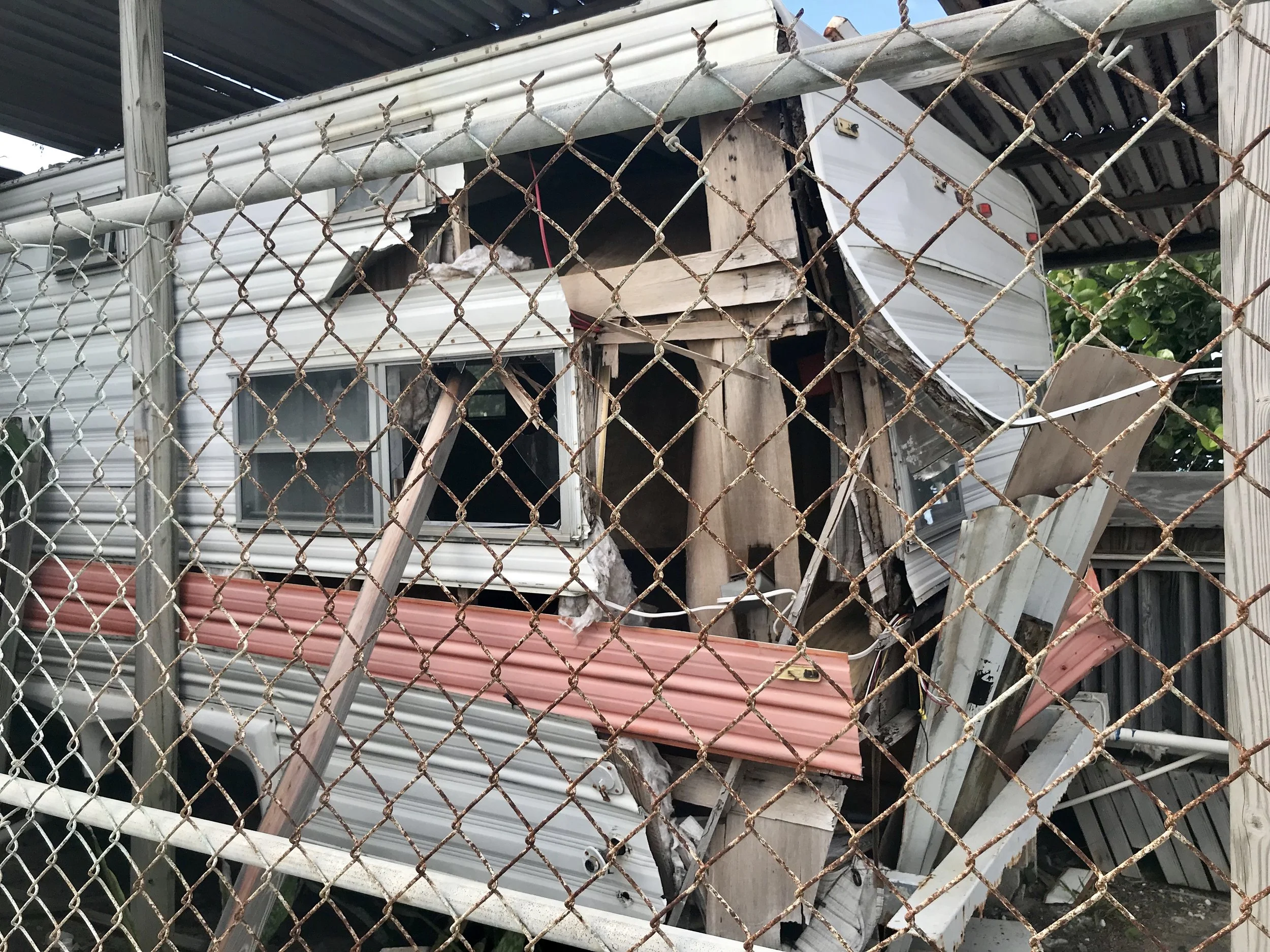
I was quite surprised to see several communities of small trailer houses across the street from the beach. It would seem likely that such structures would not do well in an extreme hurricane, yet they seemed to fare as well, if not better, than many larger buildings.
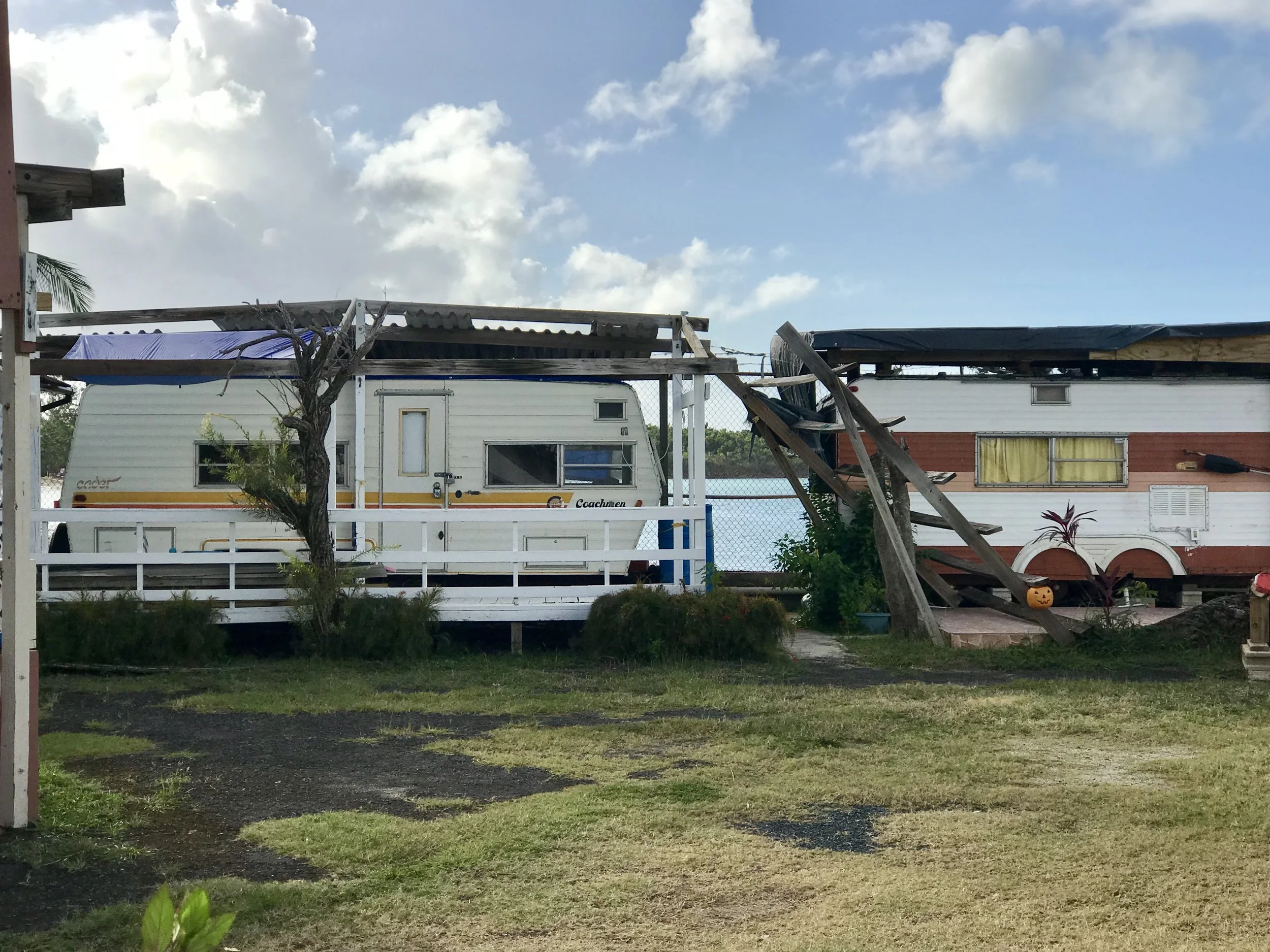
These homes are right on the beach and are currently occupied.
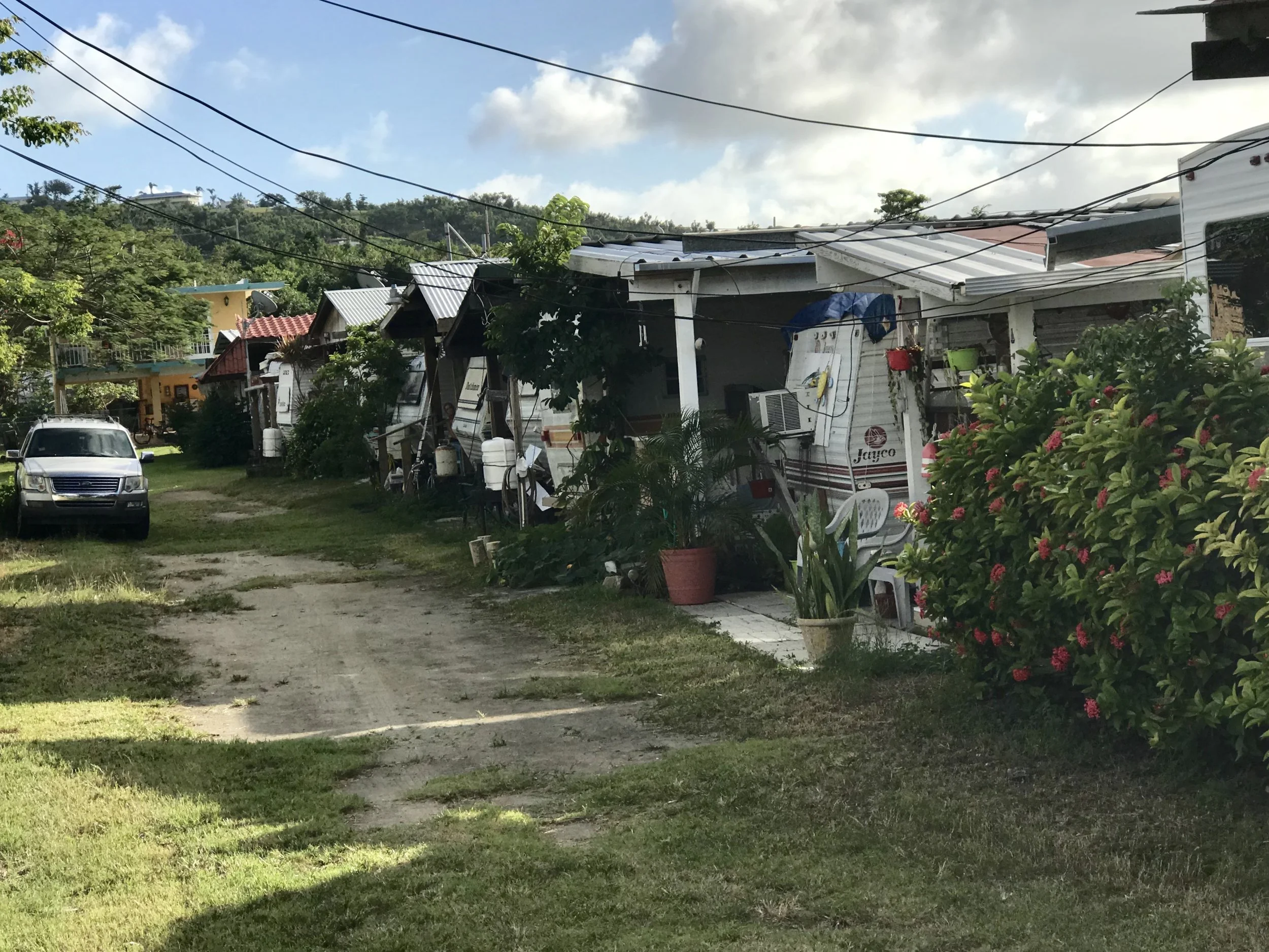
This neighborhood is across the street from the beach, and looked unscathed. I asked a resident if he had been there during the storm. He said no, but added that he was pleased when he came home to find things ok. Apparently his neighbors in an adjoining park didn't do so well.
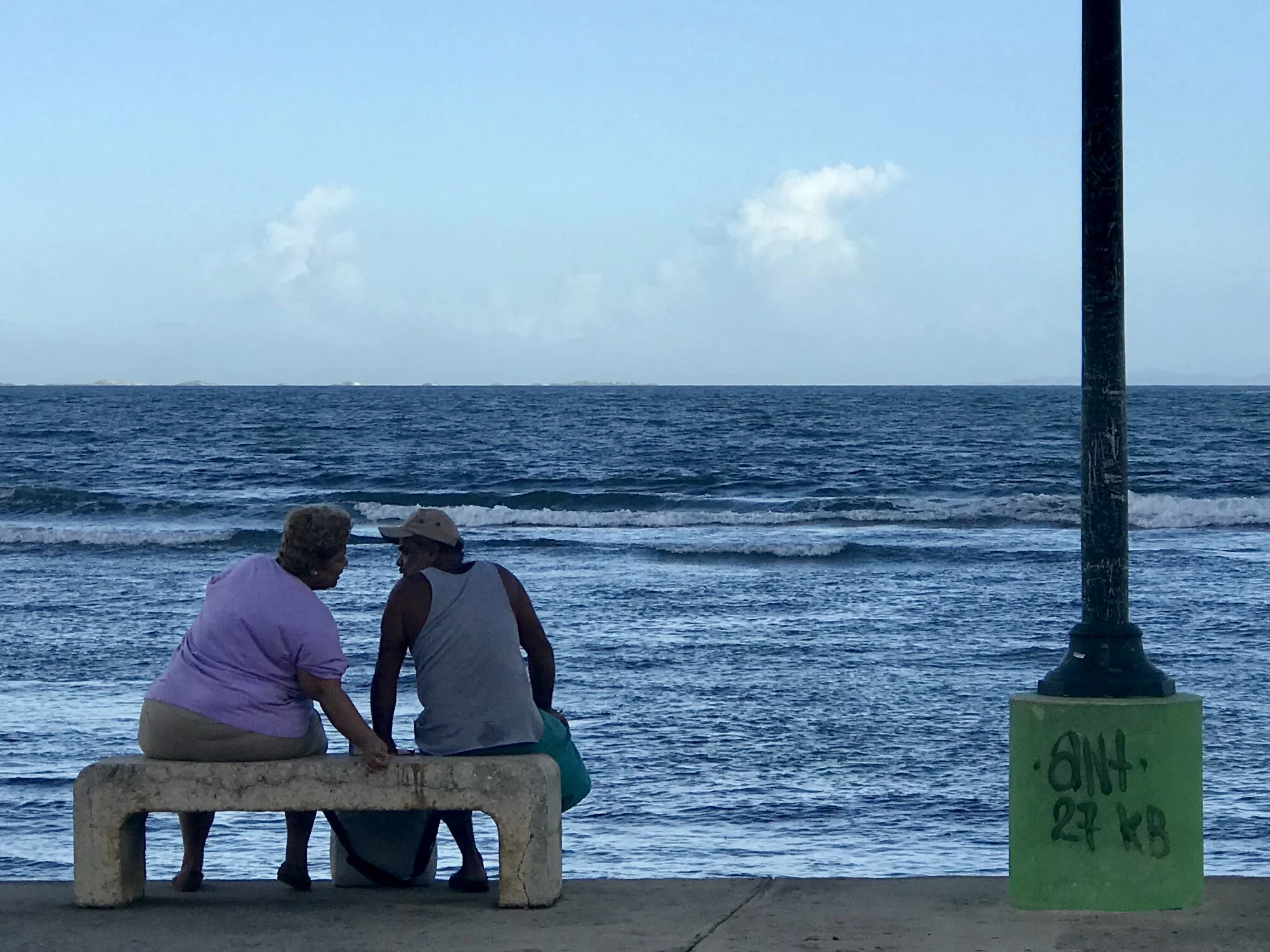
It was Saturday night in Fajardo, and the locals wanted to enjoy themselves, so they were out, especially at the beach in the center of town.
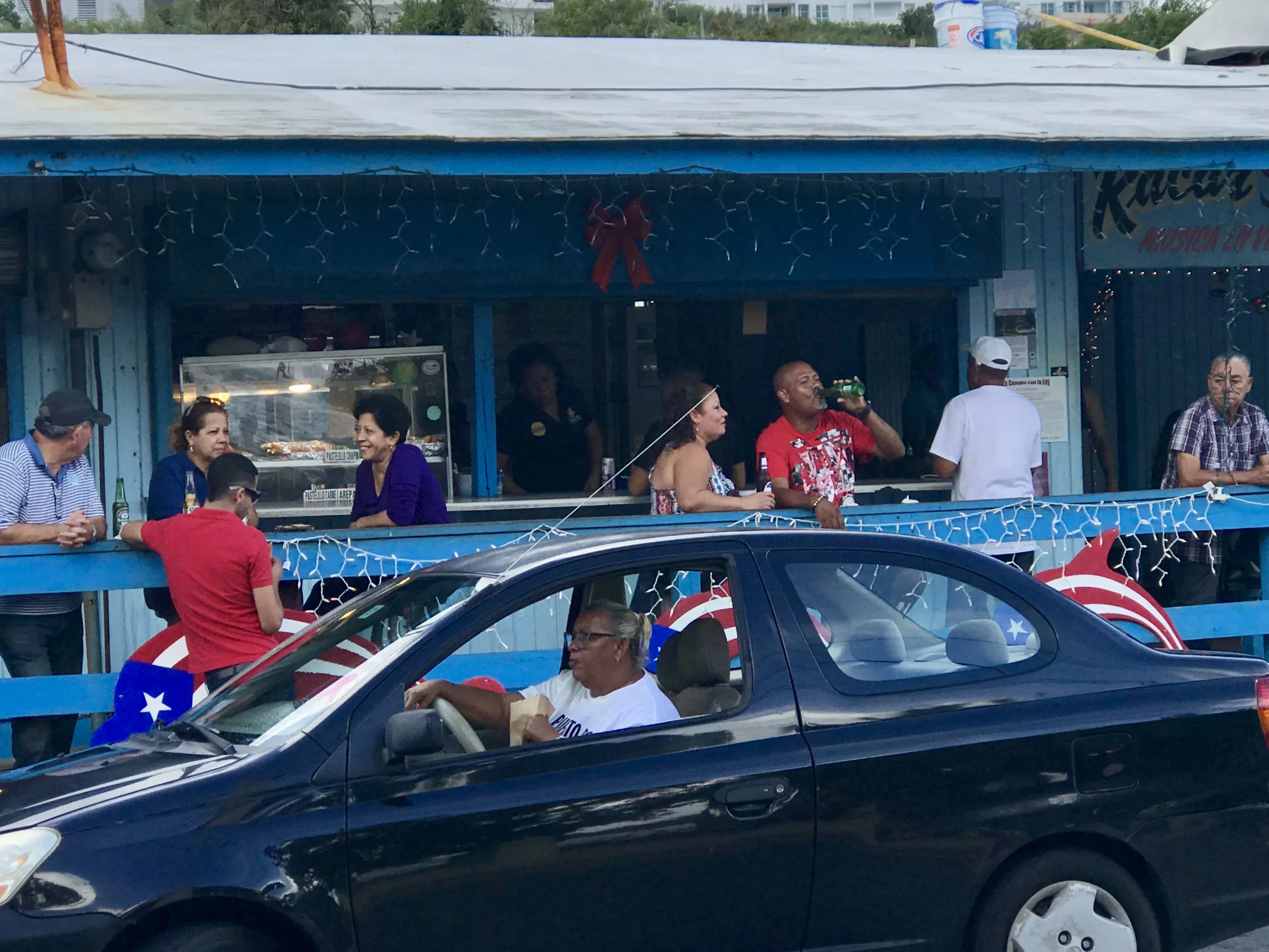
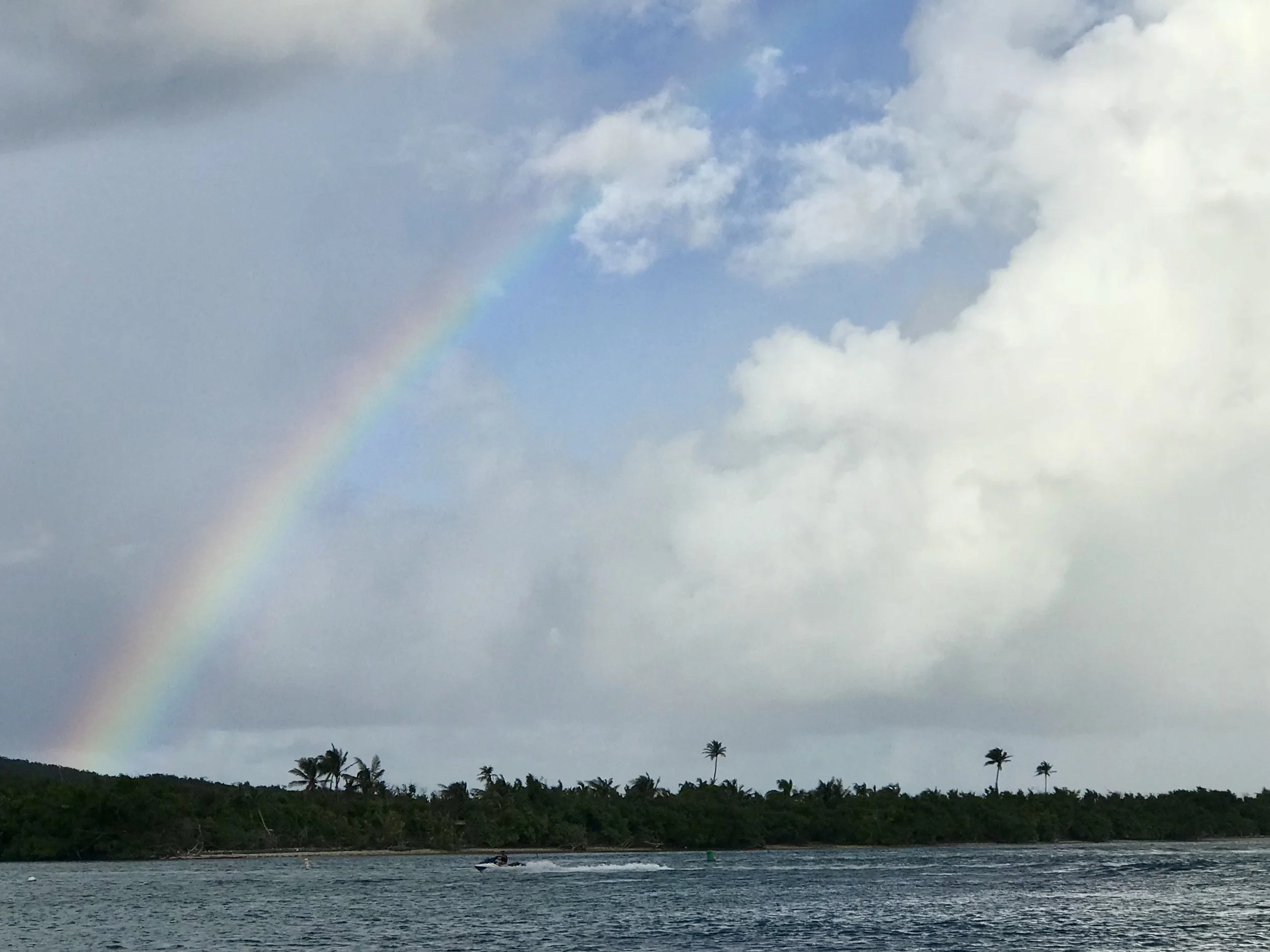
Nearby I found the Hotel Conquistodor. I rode into the parking lot in the back, and in spite of some "No trespassing" signs I decided to take a closer look at a boat in a small lagoon that looked beat up. A security guard flagged and down and admonished me for being on private property while making it clear that the Hotel would not appreciate negative publicity. His exact words were, "Be a good boy."
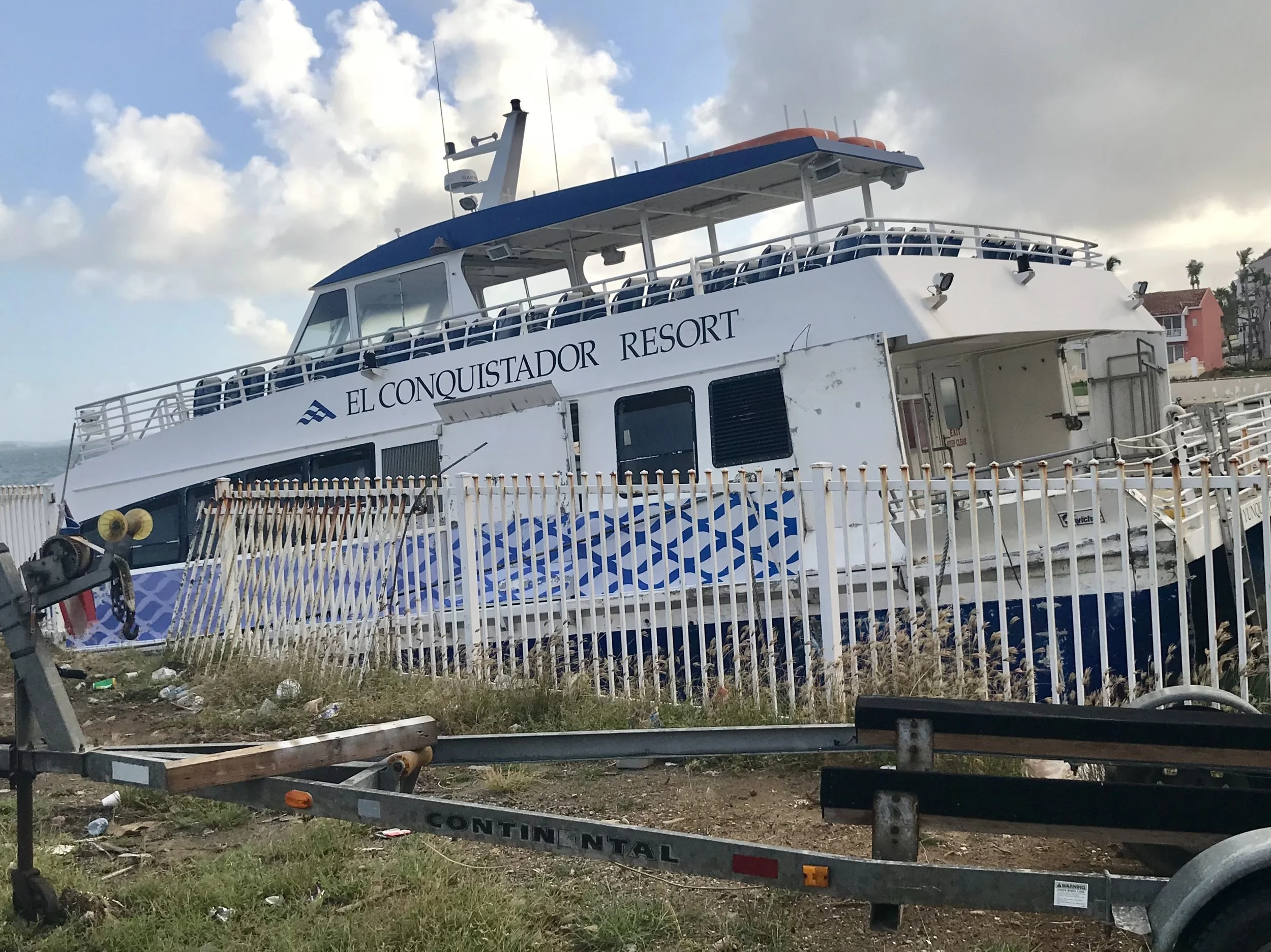
I have some sympathy for what I think he was getting at. The truth is that not only can Puerto Rico support tourists right now, the country needs tourists to help its economy recover. (Maybe that's a new business model for our changing climate - "Post Disaster Tourism?") At the same time, the island is still recovering, and while amenities are plentiful in the San Juan área, many tourist sites remain closed to the public. It's a bit of a Catch 22 for everyone involved, although it will only get better as time goes on - at least until the next extreme weather event.
After a while of people and rainbow watching I biked back toward my room, stopping at an interesting looking outdoor seafood restaurant I had noticed earlier. The grilled salmon was fantastic, and the tostones (fried plantains) were superlative. I washed them down with several Medallas, a local beer. After my second beer a gentleman at an adjoining table started asking me questions about my folding bike. Maybe it was the beer, but I had a moment of abandon and began talking in Spanish, not really caring if I was sloppy as long as he could get my gist. In time, I learned about him - he was a retired nuclear engineer. He had attended Columbia and his entire career had been in the states. He told me this in Spanish as I realized he spoke perfect English, yet was making me speak in Spanish. Frankly, this is exceedingly rare in Puerto Rico. Although one cannot be of the culture, one can certainly function in PR using only English. I realized he was simply helping me to speak Spanish. He encouraged me to visit the Dominican Republic and Cuba. When I told him I was trying to keep up a blog about how climate change is affecting different regions of the Americas, he asked, "Why"? "What good will that do"? He was on his third beer by that time. After a moment he said, "What does hope mean to you? You know we won't make it. No one in power cares about poor people. Climate change won't be solved. So where do you get hope?" ...A moment passed. I told him what I really believe, "Because no matter how bad it gets, life will never be extinguished. That is the ultimate form of resistance. And that is what we can celebrate. Our connection to life. Our very lives. The act of living, no matter how it comes". He put his arm around me and said, "I like that answer". Then, abruptly he stood up. I could see he was about to leave. And he said, "Promise me you'll visit Utuado". I knew what he intended. Utuado is to Puerto Rico what the 9th Ward is to Katrina. A very poor section of Puerto Rico near the center of the country, it still does not have reliable electricity or water. Anyone who really wants to understand how future hurricanes will impact those who haven't created climate change should visit Utuado. I told him I fully intended to, but it won't be until I return.
He nodded, and then said one last thing: "Your country is dying."
Tal vez.
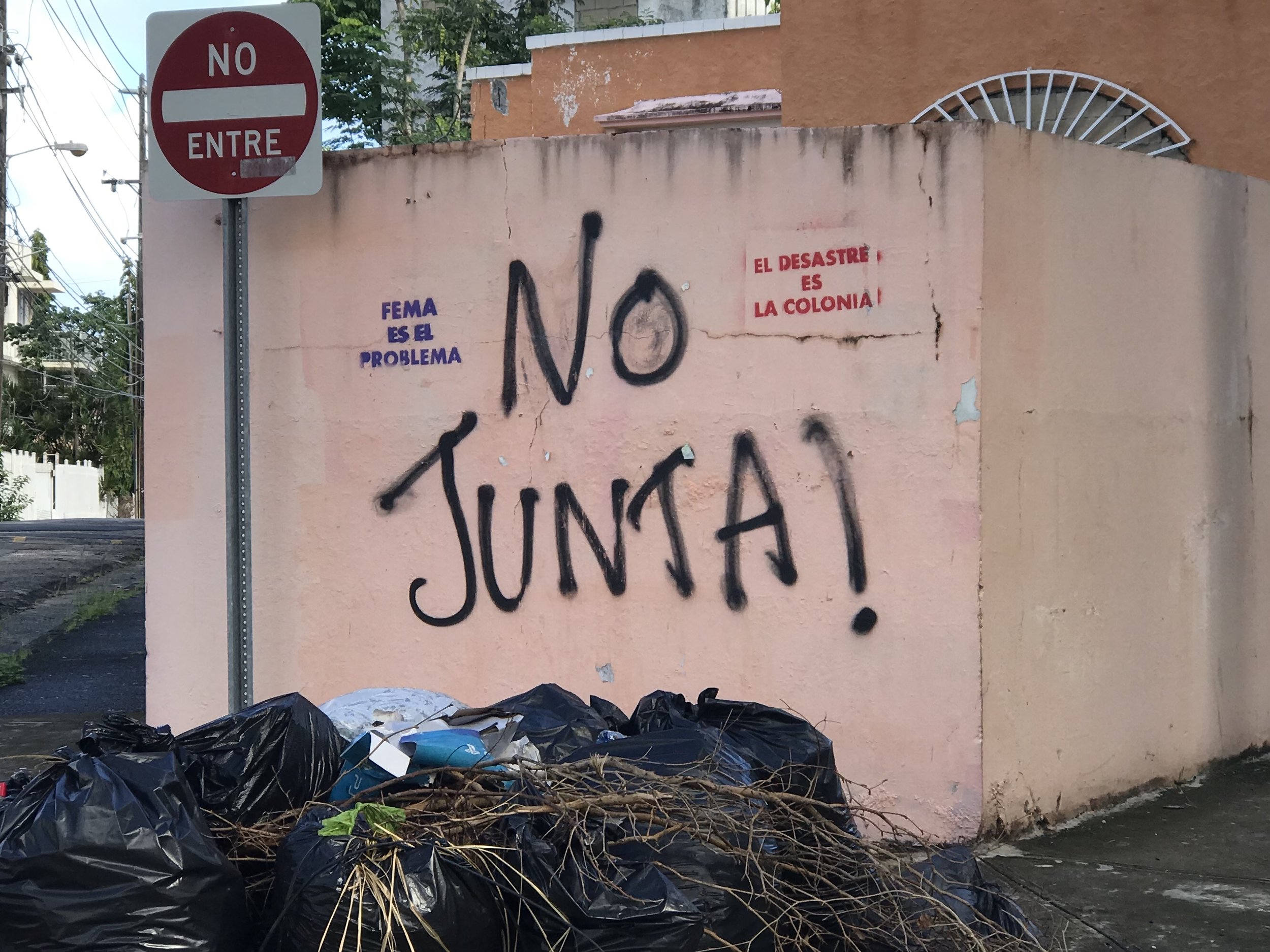
On Monday, after returning to San Juan, I biked through Viejo San Juan for another look. This time I was able to look a bit deeper. While the old town was incredibly resilient, I found one visually stunning exception. I am sure there are more.
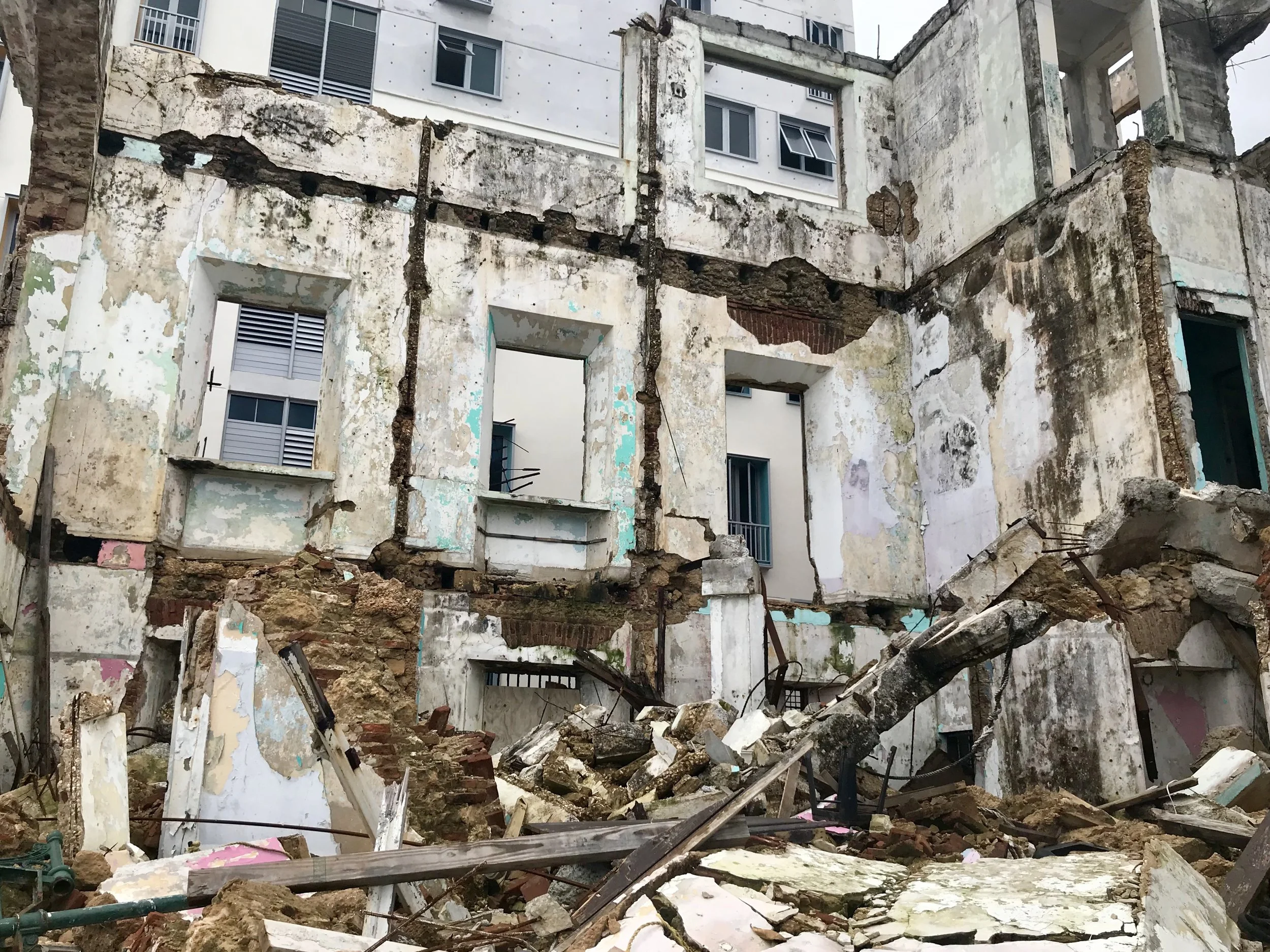
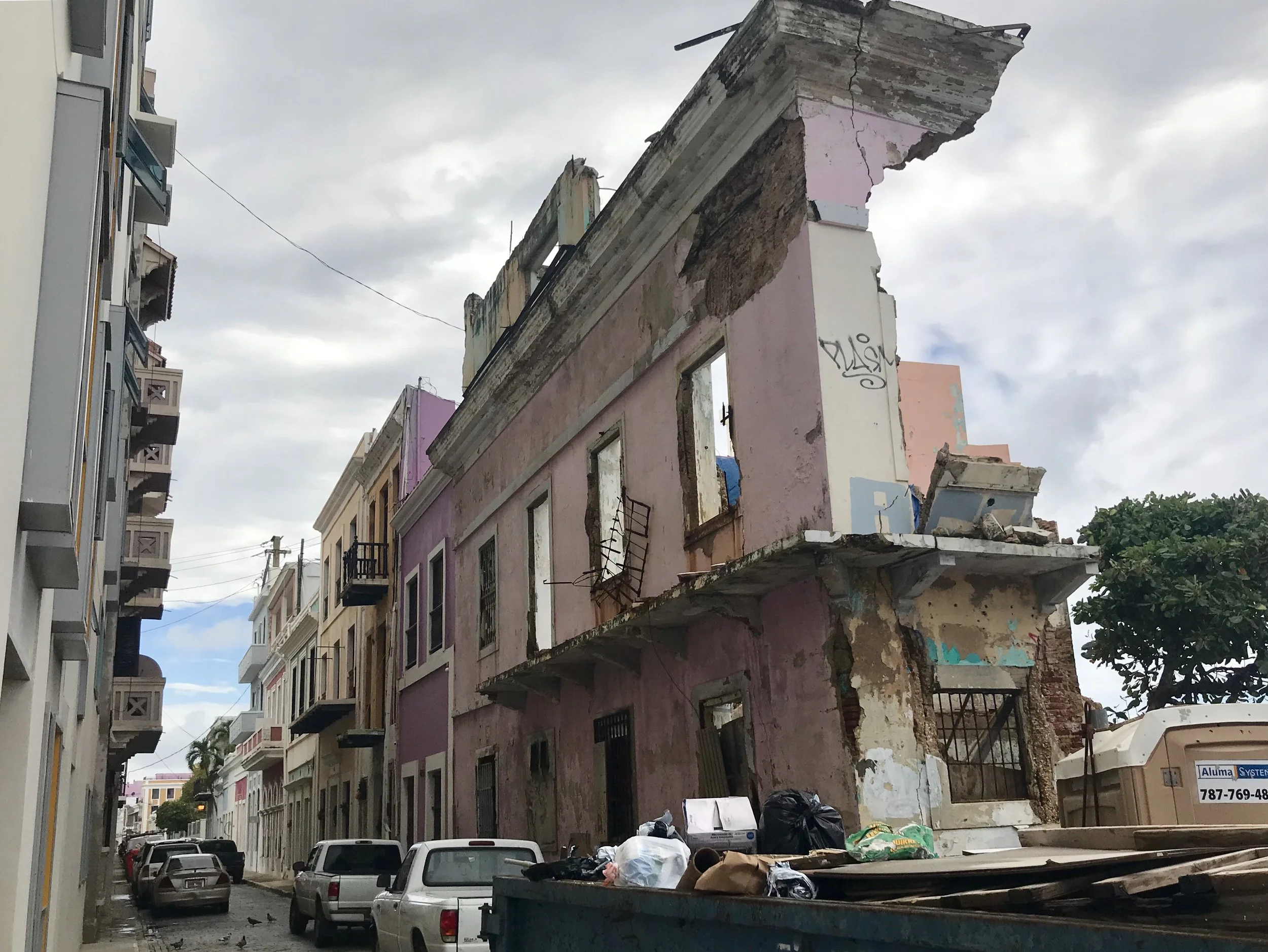
And then I discovered La Perla. Made famous by the extraordinarily popular YouTube video "Despacito", and the slightly older song by Calle 13 called "La Perla" featuring Reuben Blades, La Perla is a highly picturesque and very accessible barrio just under the north wall of old San Juan right on the Atlantic Ocean, making it incredibly exposed to hurricanes and storm surges. At one time it was a squatters community and was considered dangerous because of drug dealing and prostitution. It is still a rough place, but also now has a strong tourist appeal, especially among millennials. Many homes, bars, clubs, restaurants and cars there where were badly damaged by the hurricane. Electricity was not restored quickly, so the area is still in significant distress. It is also a visual paradise. In some ways it's a symbol of a significant side of Puerto Rico: gritty, vulnerable, resourceful, minimalististic, ingenious and highly attractive. Certainly this is part of the Puerto Rico One can get to know by being open and attentive. And as a symbol of popular boriquén (Puerto Rican) culture it is one I appreciate more each day. It's a rugged, sexy and resilient place. And it's very much still here, in spite of Maria. That gives me hope. Life endures.
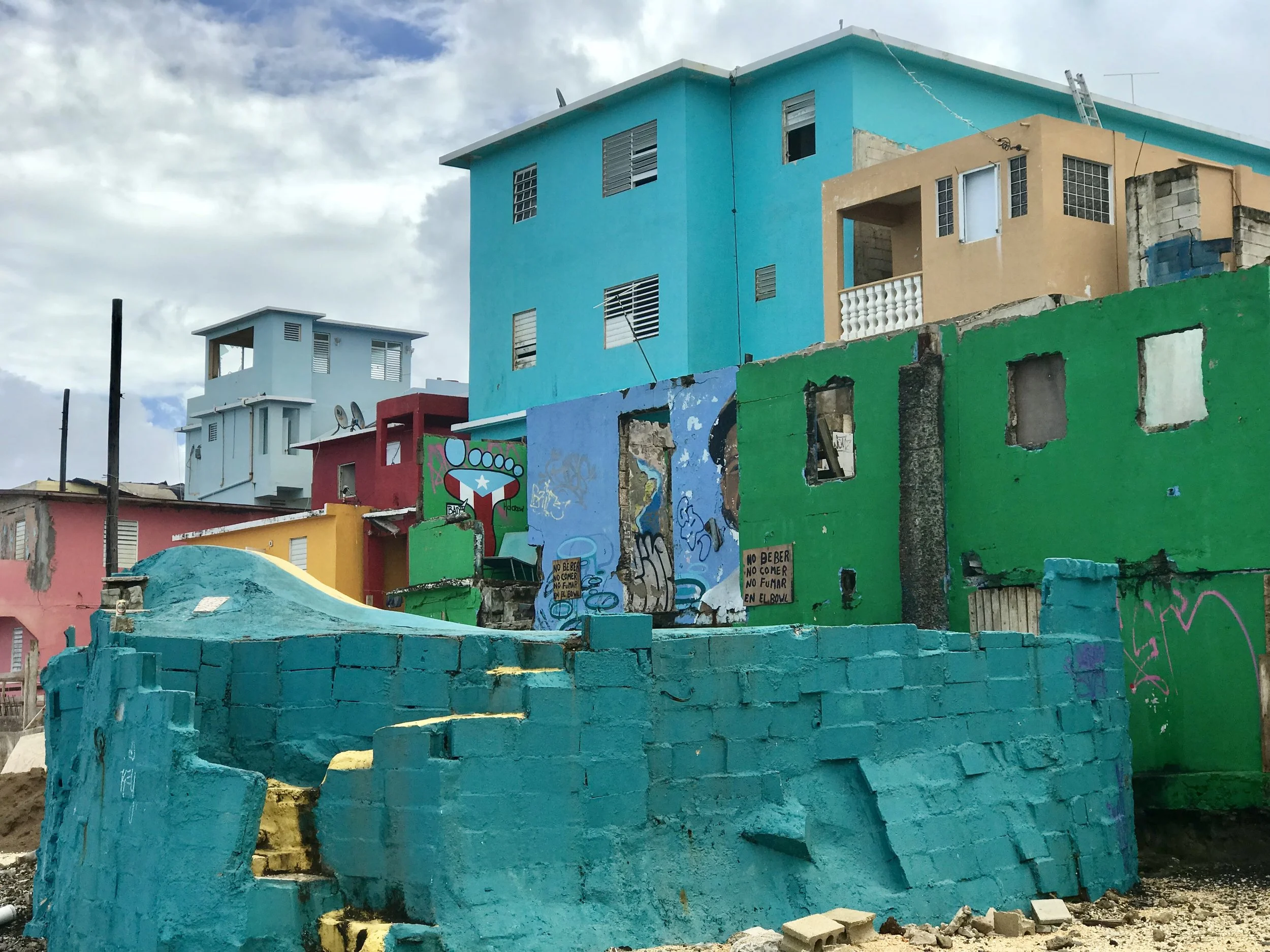
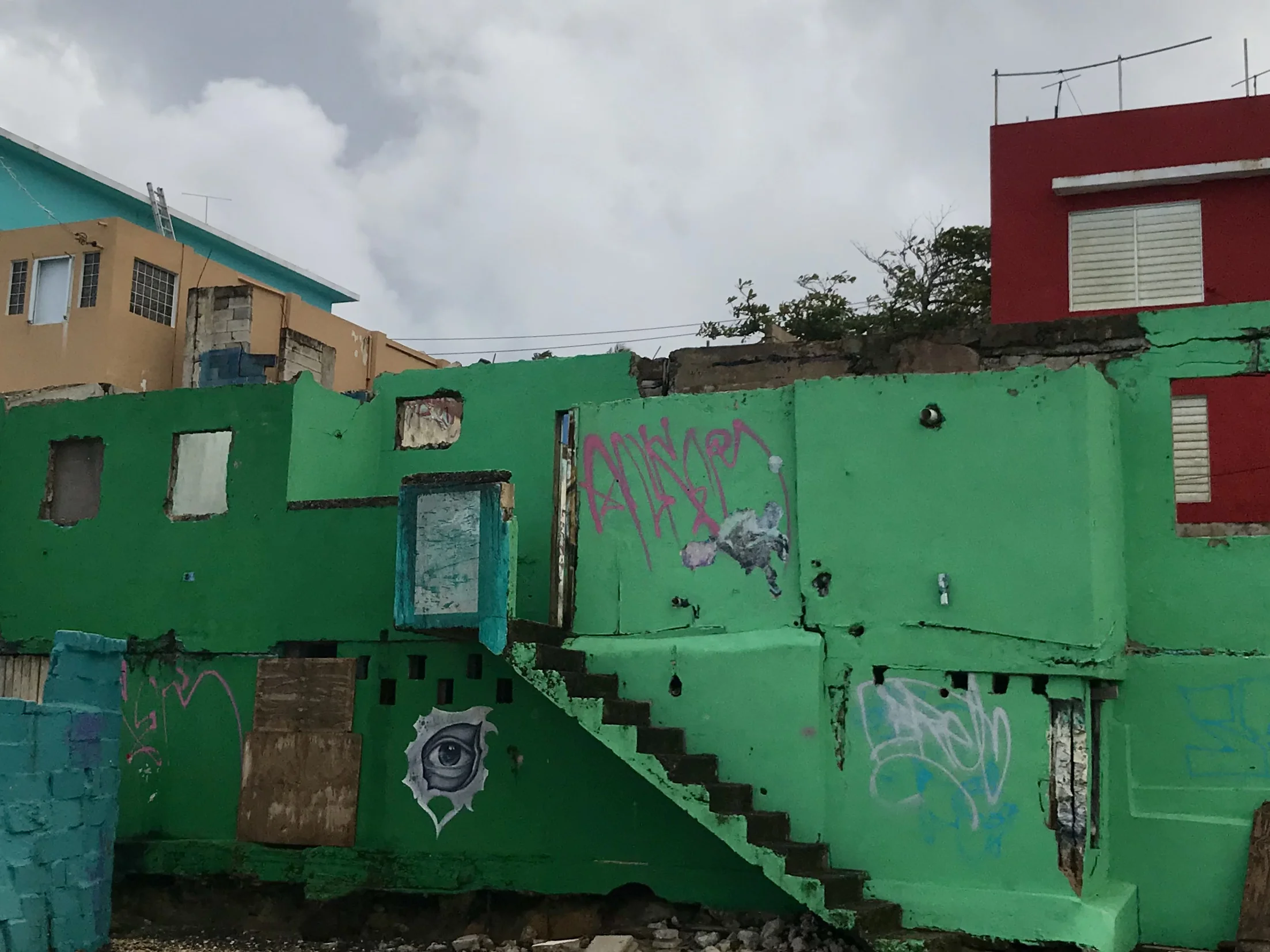
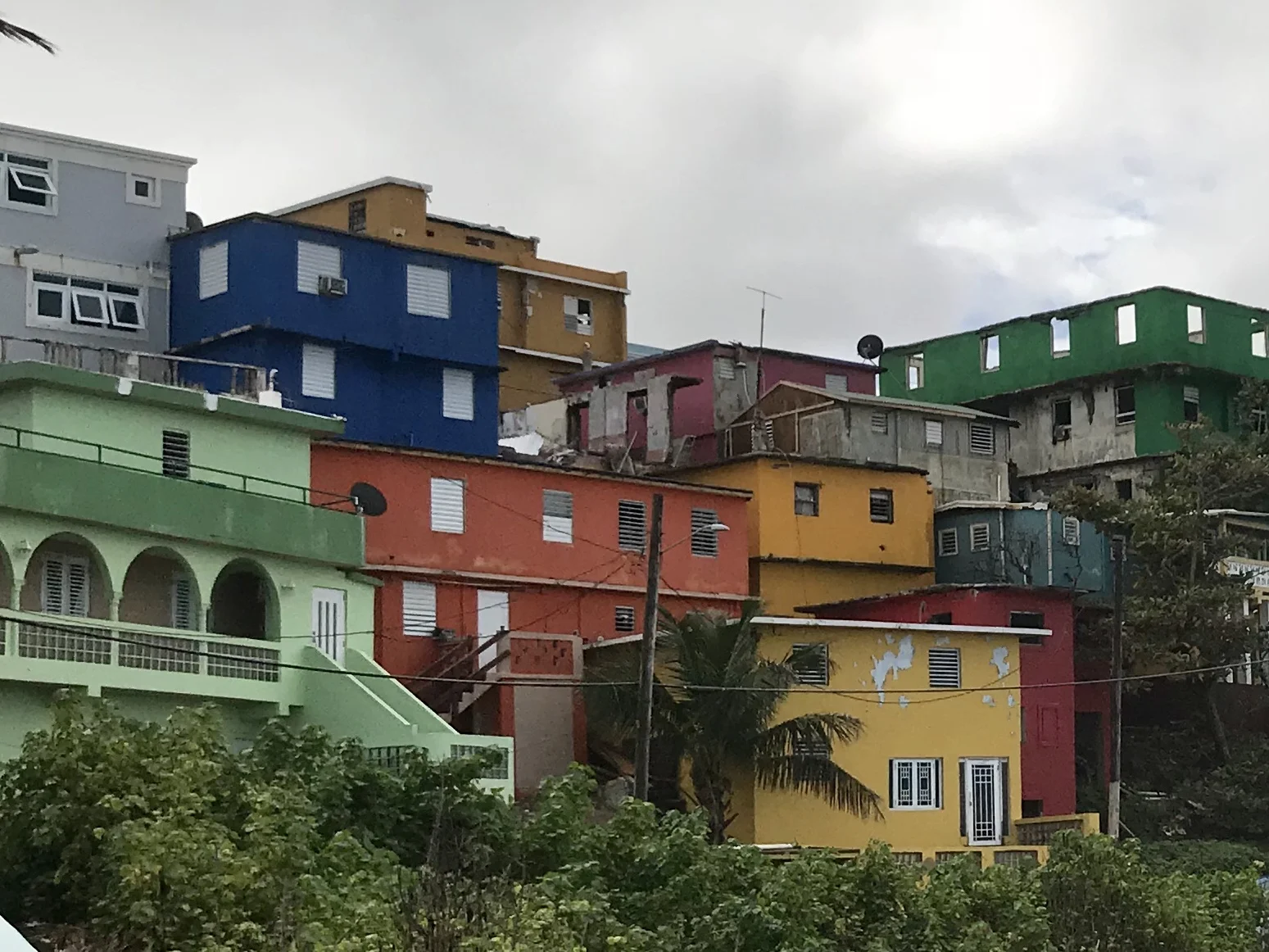
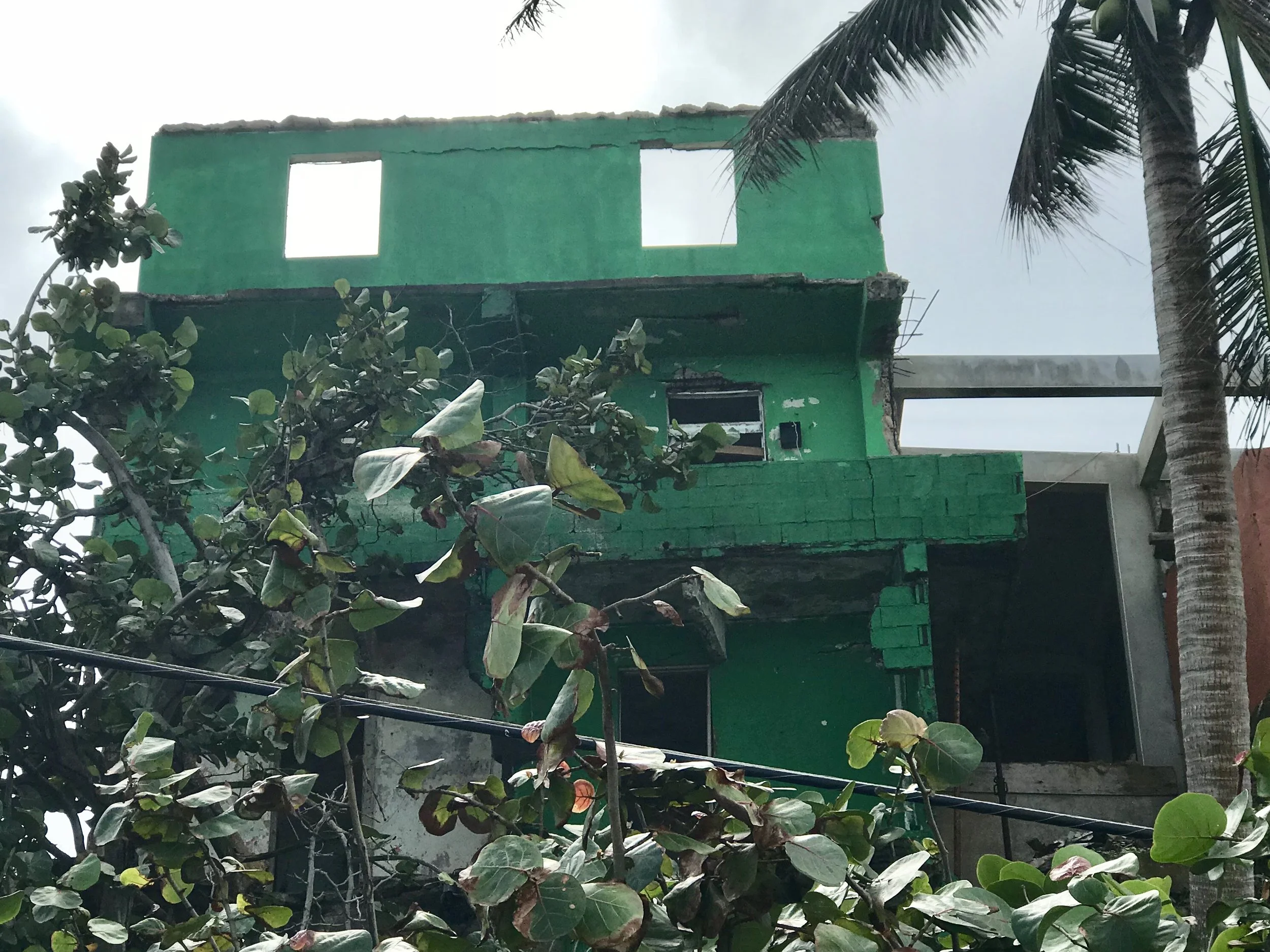
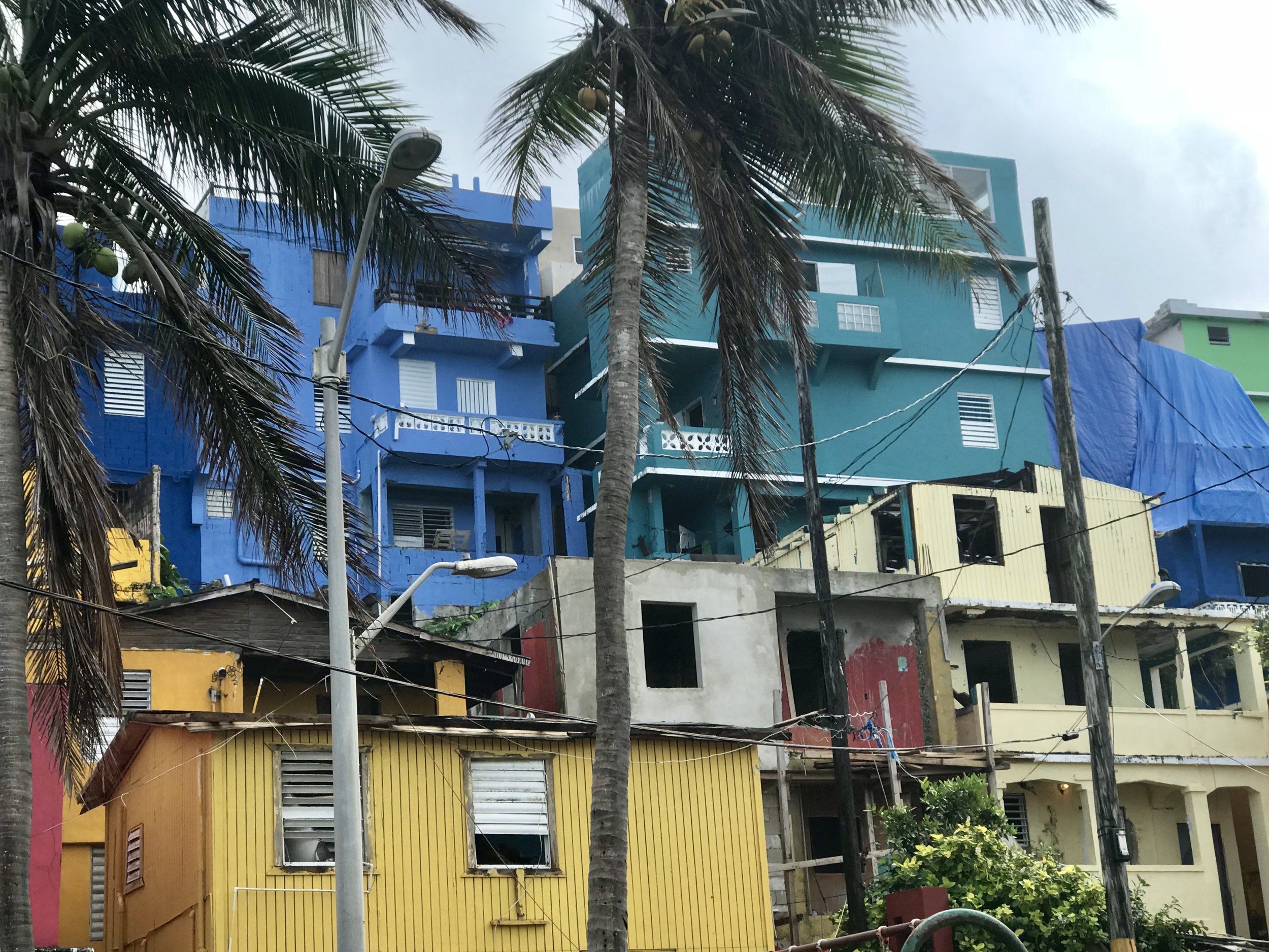
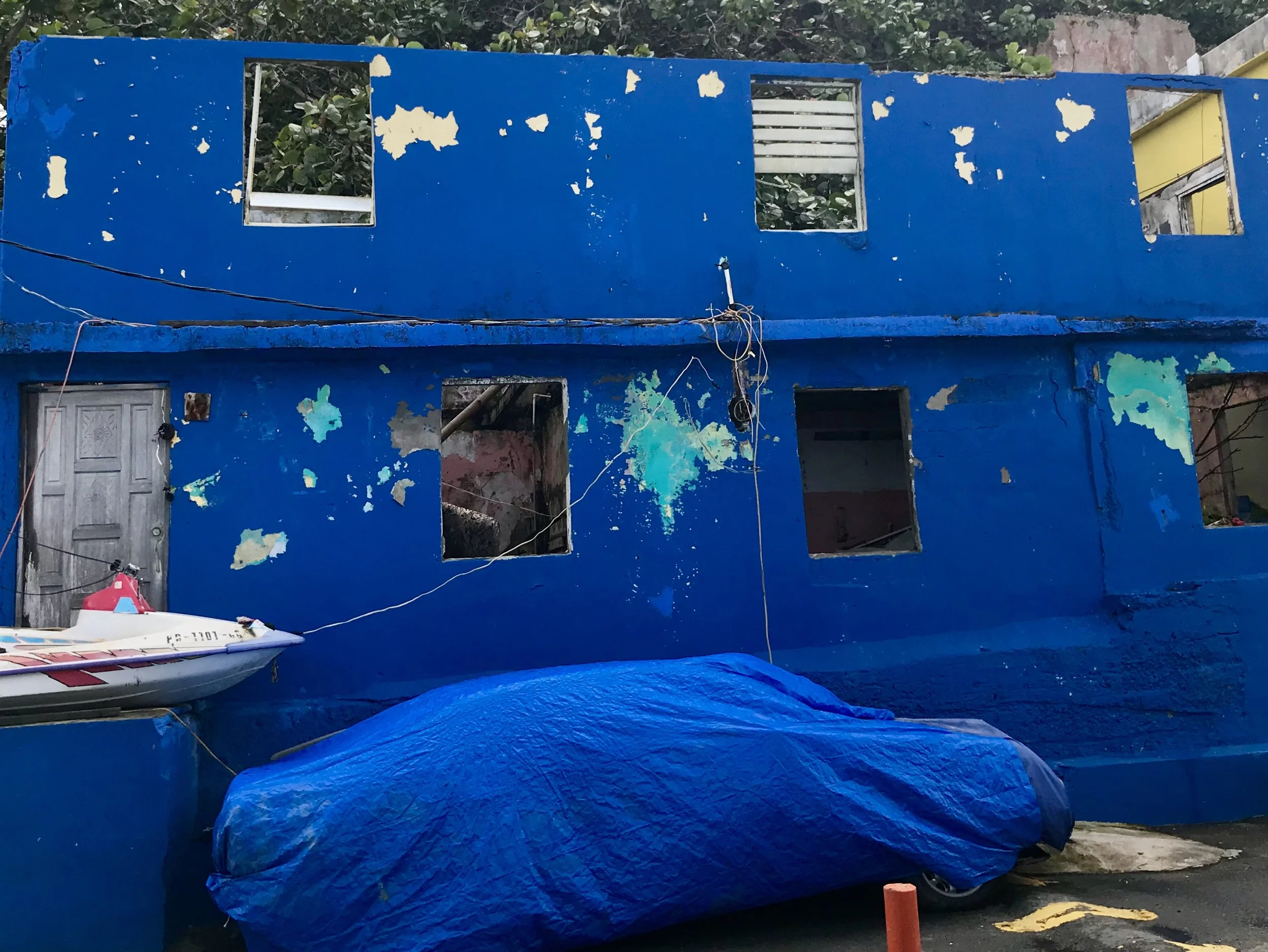
Here is a translation of the lyrics for La Perla (from the internet):
The Pearl
Hey, this is dedicated to all of the neighborhoods of Puerto Rico.
Trujillo! Dedicated to the neighborhood of La Perla.
Pocho! Tell Johana to make me some really good rice and beans.
A shout out to Jose; we'll catch you on your way down.
And you - what are you looking at?
I've had an attitude since I was five years old
My mama raised me with scolding and slaps on the mouth
Had gray hair mixed with brown since childhood
I'm the black sheep of the whole flock
And I grew little by little
Jumping from rooftop to rooftop knocking off coconuts
And even though I almost killed myself and beheaded myself
No one ever saw me crying or dripping snot
Always smelled good and had my hair combed
To look for a girlfriend with a pretty last name
Larita, my first kiss of love
The witch got married, rain with sun
Down there in the hole in the gap
Bouquets of flowers are blossoming
Colorful little houses with the windows open
Next door neighboors of the beach
I have everything; I don't lack anything
I have the night which I can use as a blanket
I have the best landscapes of the sky
I have a little refrigerator stocked with ice beer
A rainbow flavored snow cone
Pretty people surrounded by water
The deceased depicted on the wall with spray paint
And those who stay playing basketball
A couple of gringos who ruin my landscape
Been taking pictures since they landed
The police that shoot and go unpunished
Breaking into my house to get their paycheck
My mother was born here and so was even my great-grandmother
This is my neighborhood and I'm free like Mandela
Beware of the old school that it not catch you
Because it'll get you with a sandal or a broomstick
So don't give me that clown act
Because I come with the appetite of a laborer
To eat anyone who comes to take what's mine
I'm the Napoleon of the countryhouse
Hey! I dedicate this to those who work for low wages
To feed their little chicks
I love my neighborhood like Tito loves Jaimito
I don't fight for paved roads
Or for square footage or for a golden dream
I fight for a perfumed landscape
And for a good steak and onions dish
For my mother's smile which is worth a million
I fight for my grandmother rocking in her chair
I fight for some barbecued kebabs
And for how beautiful La Perla looks from a plane
Hey tell 'em!
Hey! This is for the innocence of Jonatán Román
The “Chilinga” from Argentina
We're firing up engines. Do it.
That laughter in La Perla I can hear in the stream
And from Pito to Callao and where there are little ones
I believe in neighborhoods with mothers who lived with similar purposes
And in the end they died without having taken any vacation
As my grandmother used to say: those were the cards dealt to the poor
Even the unborn work for this eternal as well as universal neighborhood
And the one who messes with my neighborhood won’t get along with me
I can use the night as a blanket!
I can see the lights in La Perla from Panama
I can use the night as a blanket!
Shining in Morse code and they beckon me
I can use the night as a blanket!
A road made of stars, our traffic light is the moon
I can use the night as a blanket!
I went out at seven thirty and am getting back at one
I can use the night as a blanket!
Girl, put some Vicks vapor rub on me like my mother used to
I can use the night as a blanket!
I will remember where I came from even in my sleep
I can use the night as a blanket!
The good man isn't afraid, isn't afraid of the dark
I can use the night as a blanket!
Ea! And I don't lack for anything
That neighborhood wall and this'll amaze you
Fifty years later, my name is still on it
There's no forgiving the idiot clown here
Your last name, your money is worthless here
The character of the person we hang out with is respected
We were born of many mothers but we're only brothers here
And that ocean in front of my house, I swear it's true,
Like the one in La Perla, even if I'm in Panama
And on the horizon I see a moving cloud drawing the face of the great Maelo Ribera
Celebrate this get-together man.
What do you make of this collaboration between Rubencito and Calle 13?
I can use the night as a blanket!
But that doesn't take care of the suspicious white man
I can use the night as a blanket!
The night doesn't absolve the lying verb
I can use the night as a blanket!
If you lost yourself, brother, find your self
I can use the night as a blanket!
Come to Panama and contribute to tourism
I can use the night as a blanket!
A thousand thanks Resident, a thousand thanks Visitor
I can use the night as a blanket!
Catch yourself a platform in Argentina; keep moving forward
I can use the night as a blanket!
With Lilia the lyrics are going up; let's see if they filter through
I can use the night as a blanket!
Mission accomplished; the minister retires.
Fear and Hope from NYC to San Juan, PR post Maria, Post 1
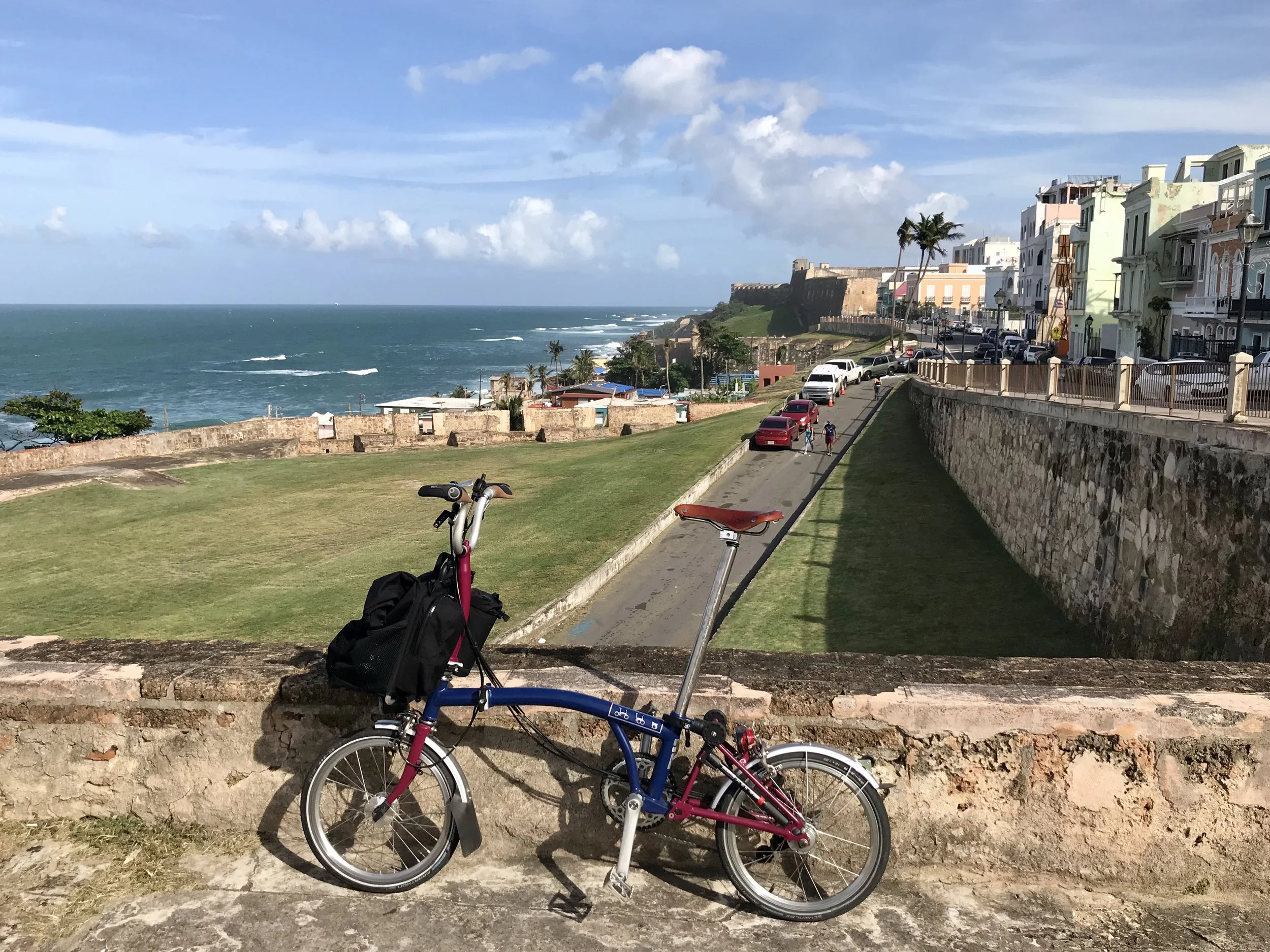
My folding bike overlooking the Atlantic in old San Juan, Puerto Rico.
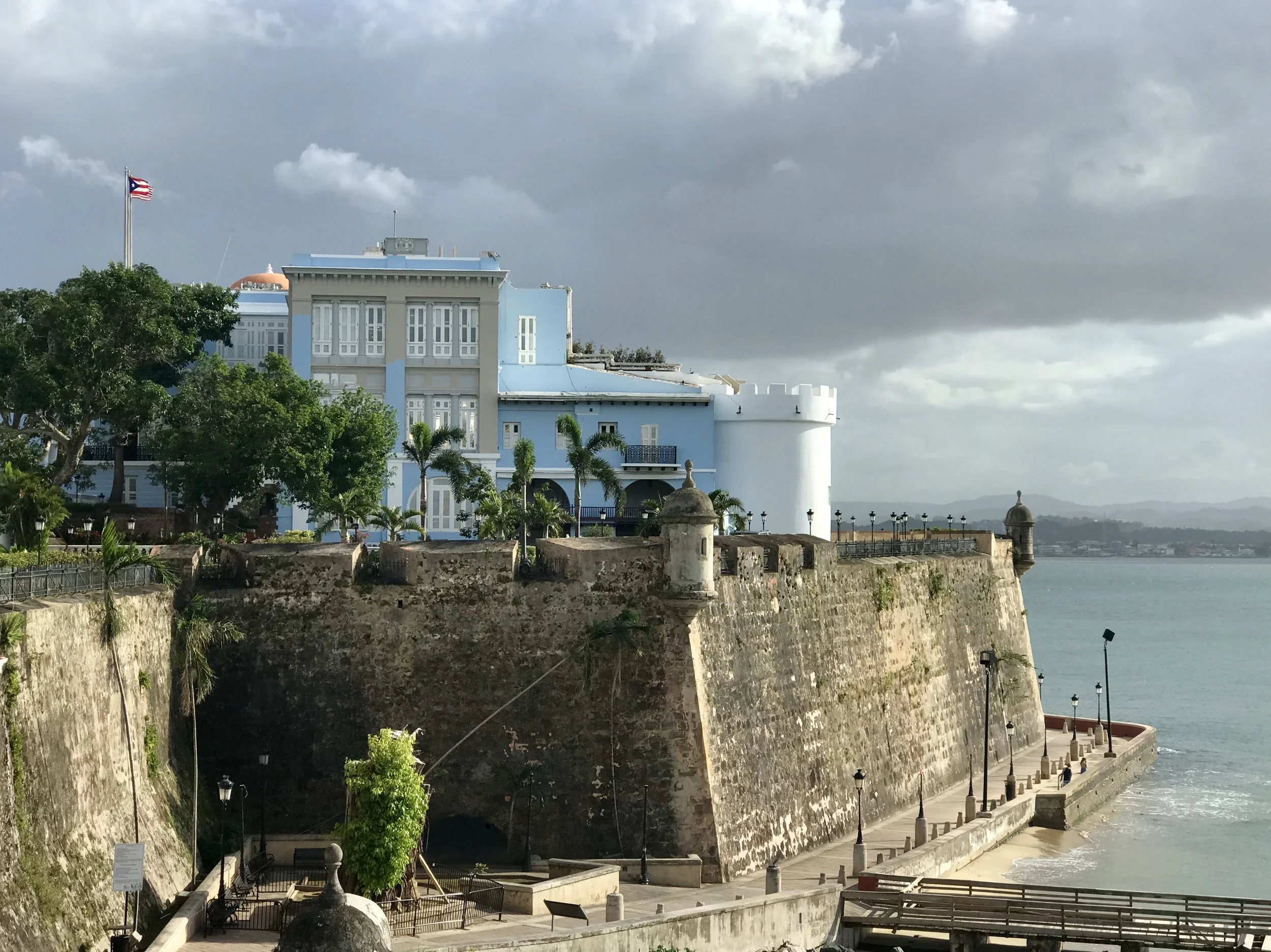
A beautiful day in Old San Juan.
"There is no legitimate debate that climate change is happening. The only debate is around the nuances of the timeframe and how bad it will be." -Margaret Haberman
Last October I attended several provacative panels on climate science at Climate Week, an annual New York City based conference. I was particularly puzzled by one panel organized by the soon-to-be "Museum of Climate Change" entitled "Fear and Hope in the Climate Conversation." Although the speakers were all highly qualified, no one seemed to want to talk about fear, and no one did. This forced the conversation toward hope, taking it in several directions. One direction focused on personal reflections about optimism (which seemed to be based more on the individual character traits of the panelists - they indeed were a personally optomistic group), and on reviews of the most hopeful trends for managing climate change occurring around the world. Had the panel been called "What are We Doing Well?" I might have left more satisfied. Yes, smart and successful people are naturally confident. Yes, hundreds of cities and a number of states have pledged their intention to stick to the basic tenets of the Paris Climate Accords, which includes the goal of limiting global temperature rise to 1.5 degrees centigrade. Yes, global growth in the clean energy sector is increasingly explosive, robust and unstoppable. Yet at the same time, scientists tell us that the Paris accords, plus the current level of growth of clean energy alternatives are not enough. It's a start, but not enough. Greater urgency is paramount. And how will we achieve that? And what should we fear if we don't manage? And what should we fear even if we do?
Coupling hope with the word fear made me expect and desire a deeper conversation. Frankly, I yearn for that time when we become realistic about our situation. Those of us who pay attention to peer reviewed climate science know there are plenty of reasons to be worried. Essentially, our best efforts to address climate change are failing to match the urgency of our situation, and with some notable and inspiring exceptions, most individuals and communities around the globe are woefully unprepared for what is coming. With CO2 levels at the highest levels for the past 800,000 years (humans have been around for fewer than 100,000 of those years), we are are only at the beginning of an acceleration of deadly heat waves, sea level rise, and destructive weather events that will grow increasingly intense and more frequent.
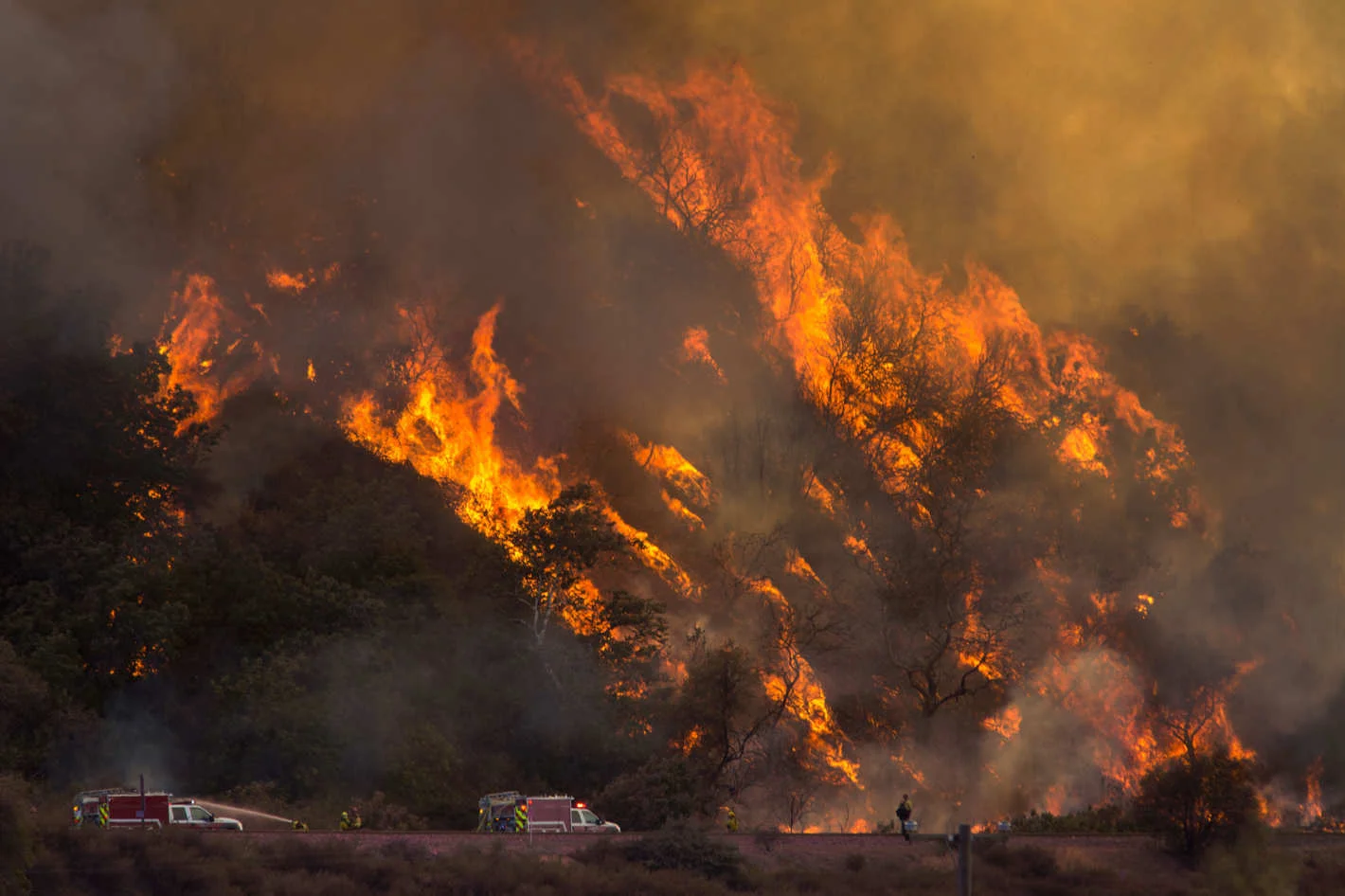
Fires burn in western Oregon in the summer of 2017.
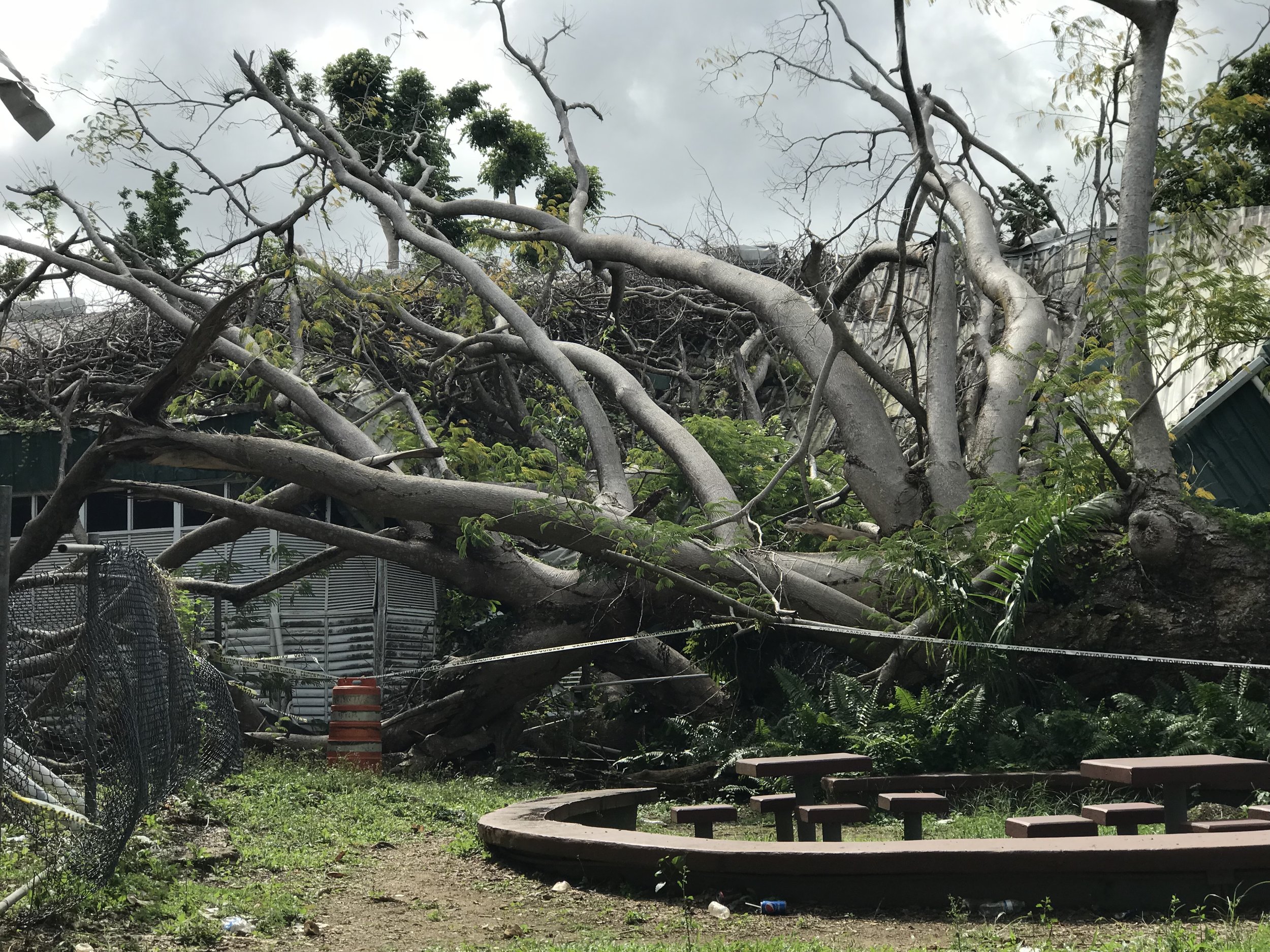
What wind can do.
On July 9th, 2017, New York Magazine published a landmark article by David Wallace-Wells entitled "The Uninhabitable Earth, Famine, Economic Collapse, A Sun That Cooks Us: What Climate Change Could Wreak - Sooner Than You Think." The most-read story in the history of New York Magazine, this article inspired many follow up articles, some by writers who felt that the article's alarmist tone was more harmful than helpful, and in some cases, inaccurate. But then criticisms about the article were literally drowned out by an extraordinary series of extreme weather events. Along came Harvey, Irma, Jose and Maria. And although it took a few months for scientists to be able to describe how climate change is the driver for these events, it is now possible to describe how warm waters in the Atlantic, prevailing trade winds and a wobbly jet stream resulting from a warming atmosphere all contibuted to create a season of "perfect storms" that are rightly viewed as canaries in a coal mine.
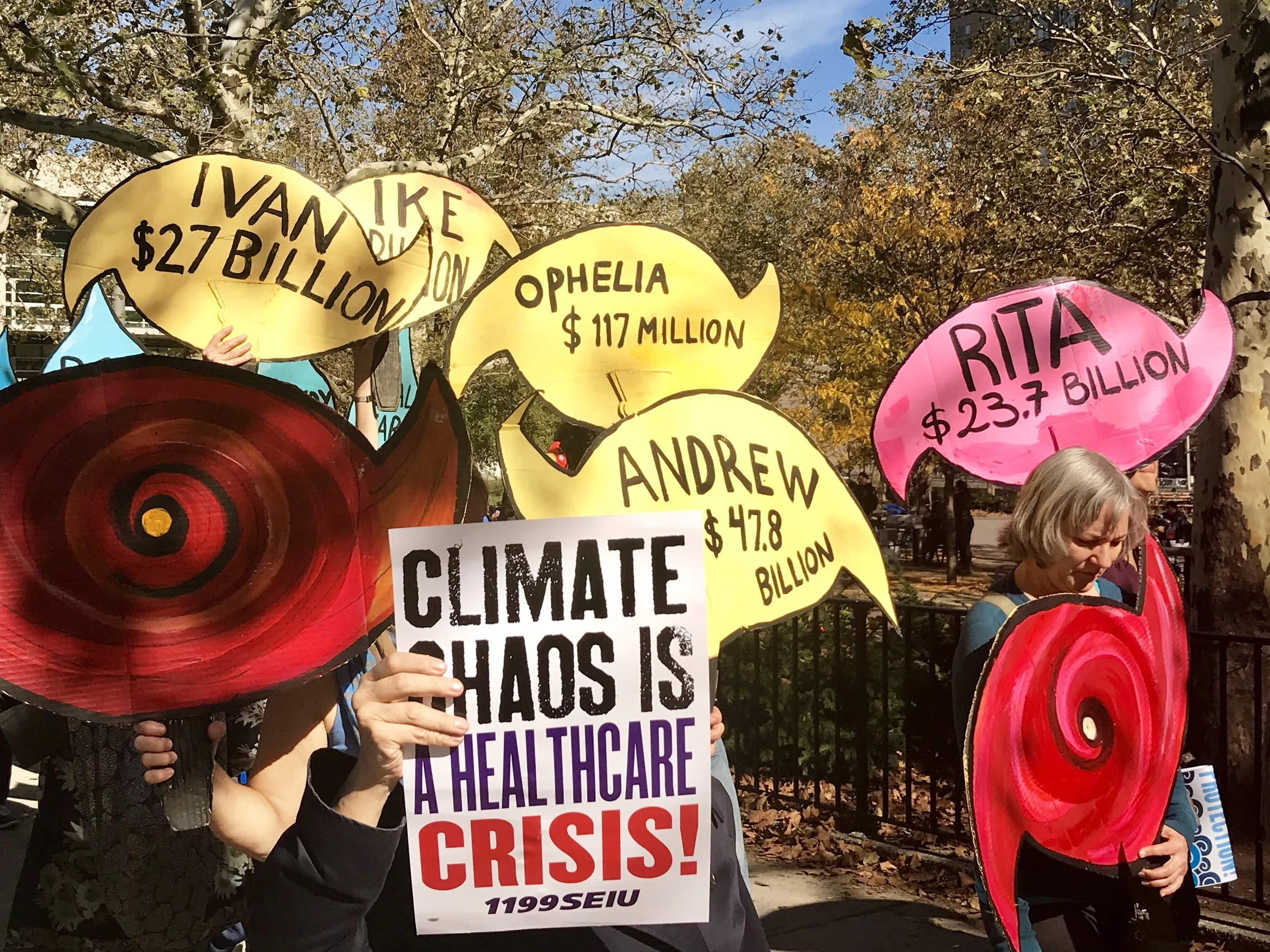
Climate March in New York City on the 5th anniversary of Hurricane Sandy.
Like other Americans who weren't in the path of those storms (as opposed to those who were) I watched the story of the 2017 hurricane season mostly on TV. And although I don't believe our major networks peddle intentional "fake news", I do believe that first hand experience is the greatest way to learn about something. So, in November I decided to travel to Puerto Rico in January to study Spanish at a private school in downtown San Juan called Isla Language. I will be here for two weeks, improving my funky Spanish in the mornings and cycling around San Juan in the afternoons.
I have been here for four days now. San Juan is functional. Water and food are not difficult to obtain, and other than many destroyed street and traffic lights, people are busy in the normal sense of the word. The electric company is ubiquitous. Workers are deployed all over, broken poles are gradually being removed and wires hang everywhere. Ironically, remnants of old wires are as omnipresent as new ones. Clearly, getting wires up is more important to the utilty than cleaning up debris. That said, I imagine that the town will gradually become more organized as time passes. A resident (and fellow language student) pointed out several buildings in distinct disrepair and told me they were that way before the hurricane because of Puerto Rico's debt crises, which makes me often wonder if I am seeing something that fell into disrepair before the Hurricane.
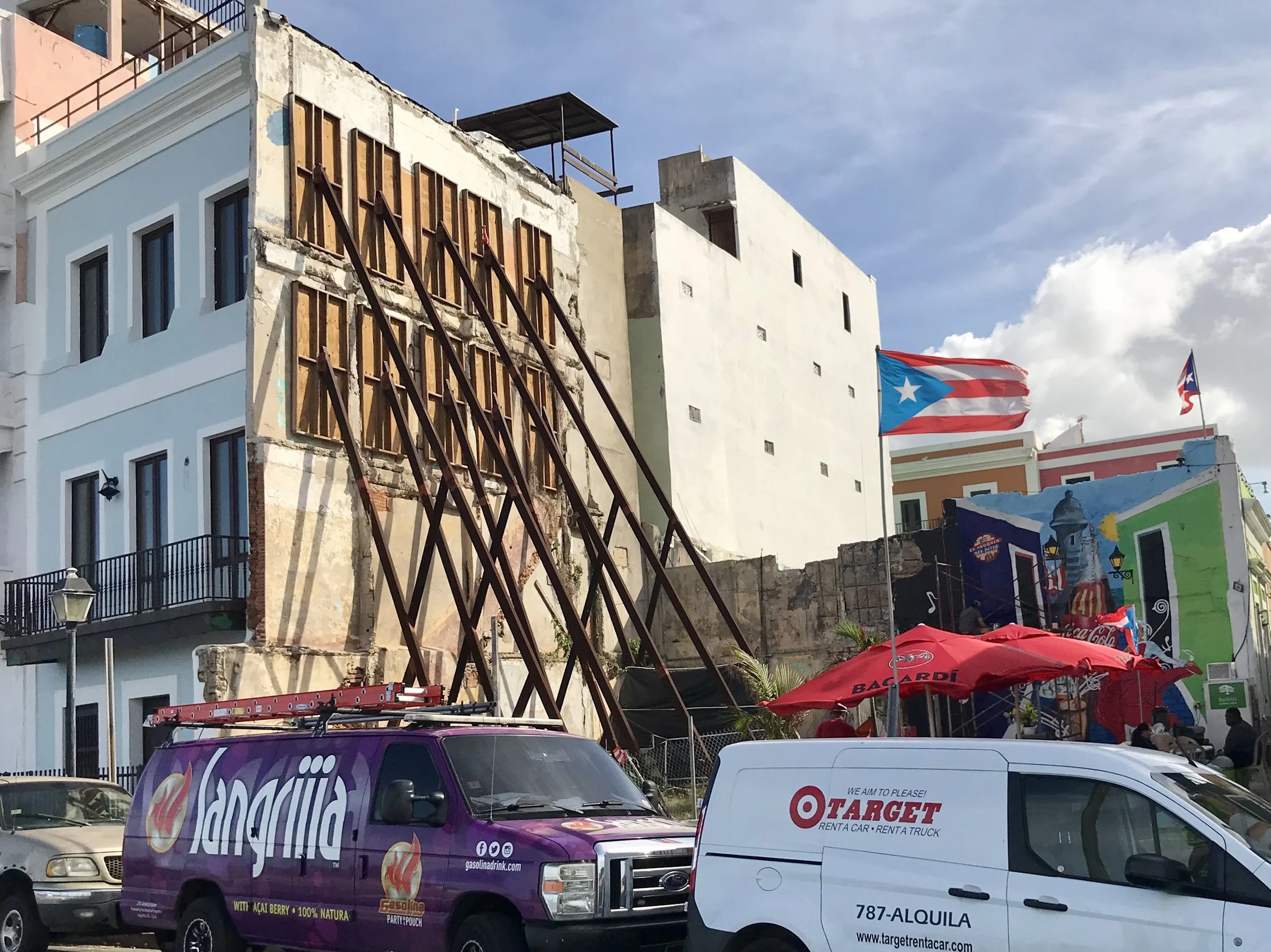
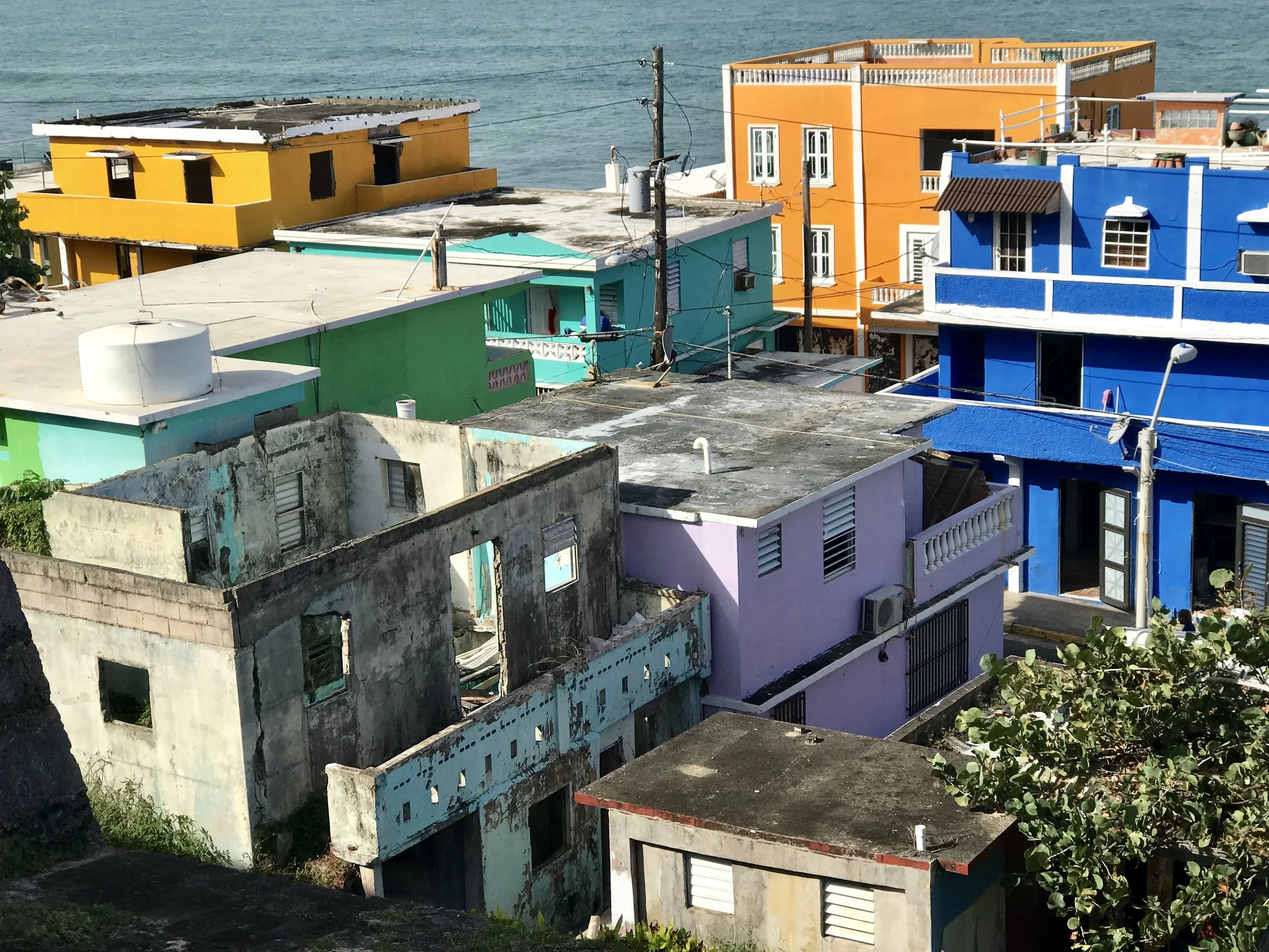
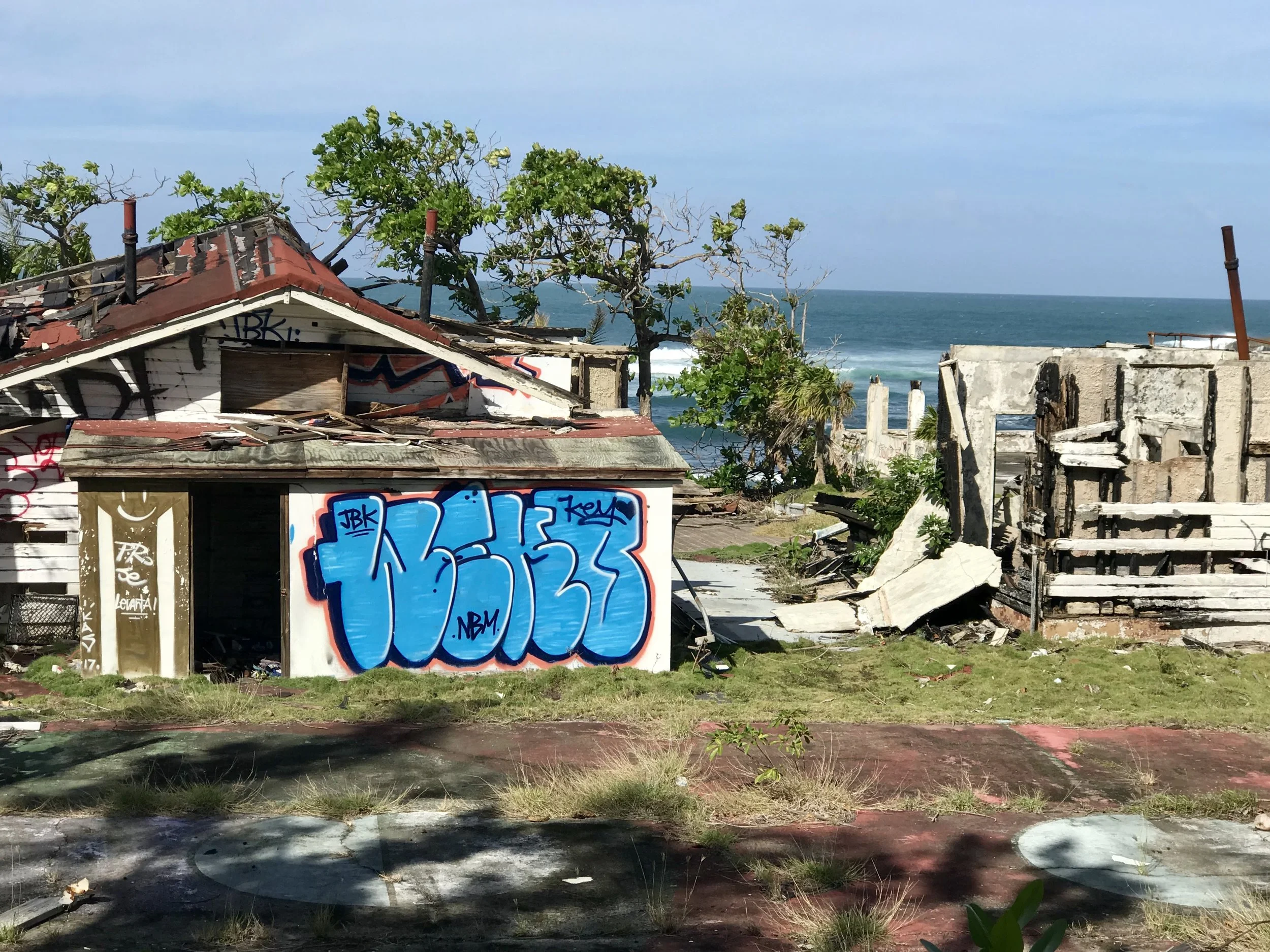
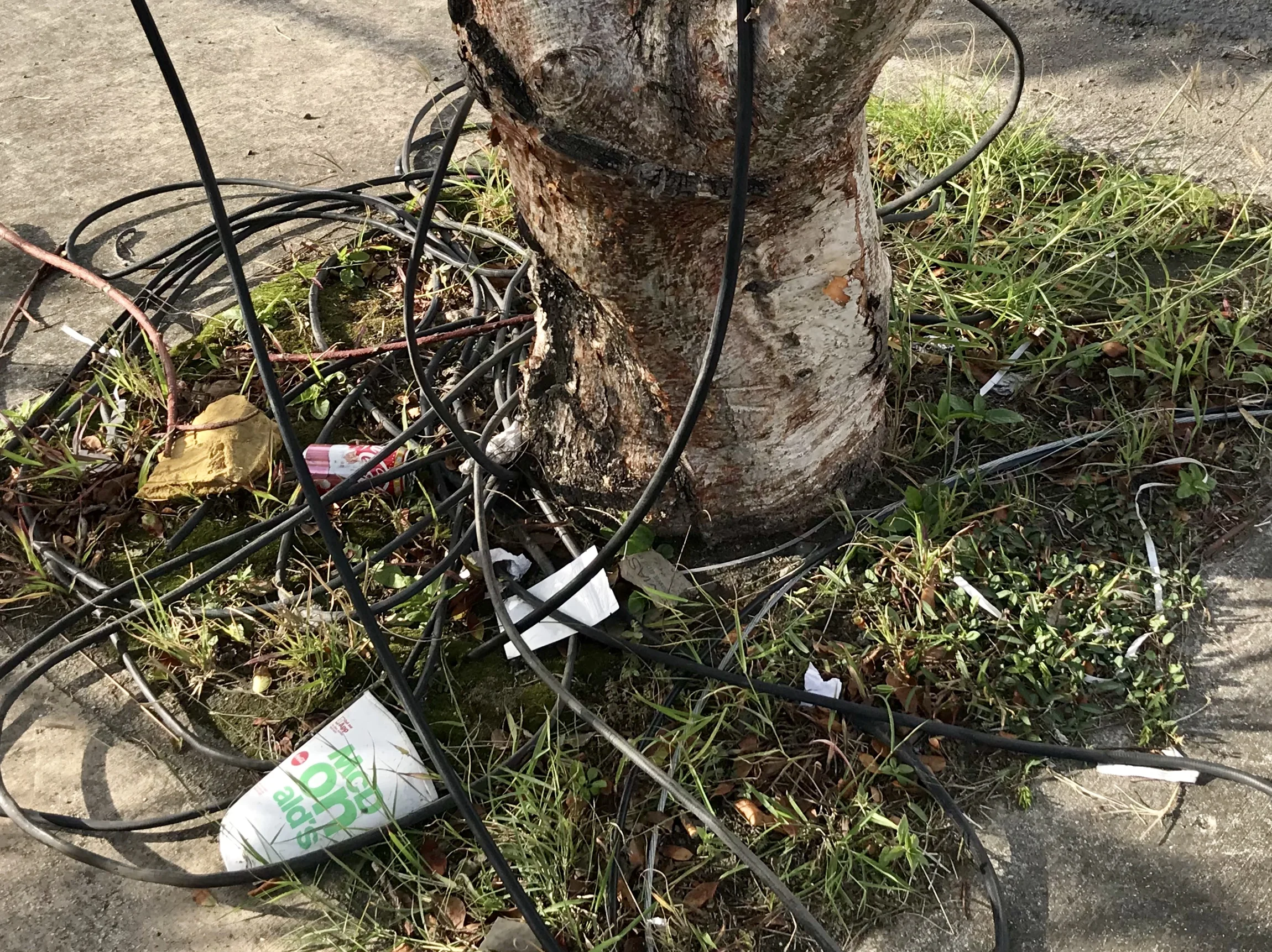
Electric wiring left after a line was repaired.
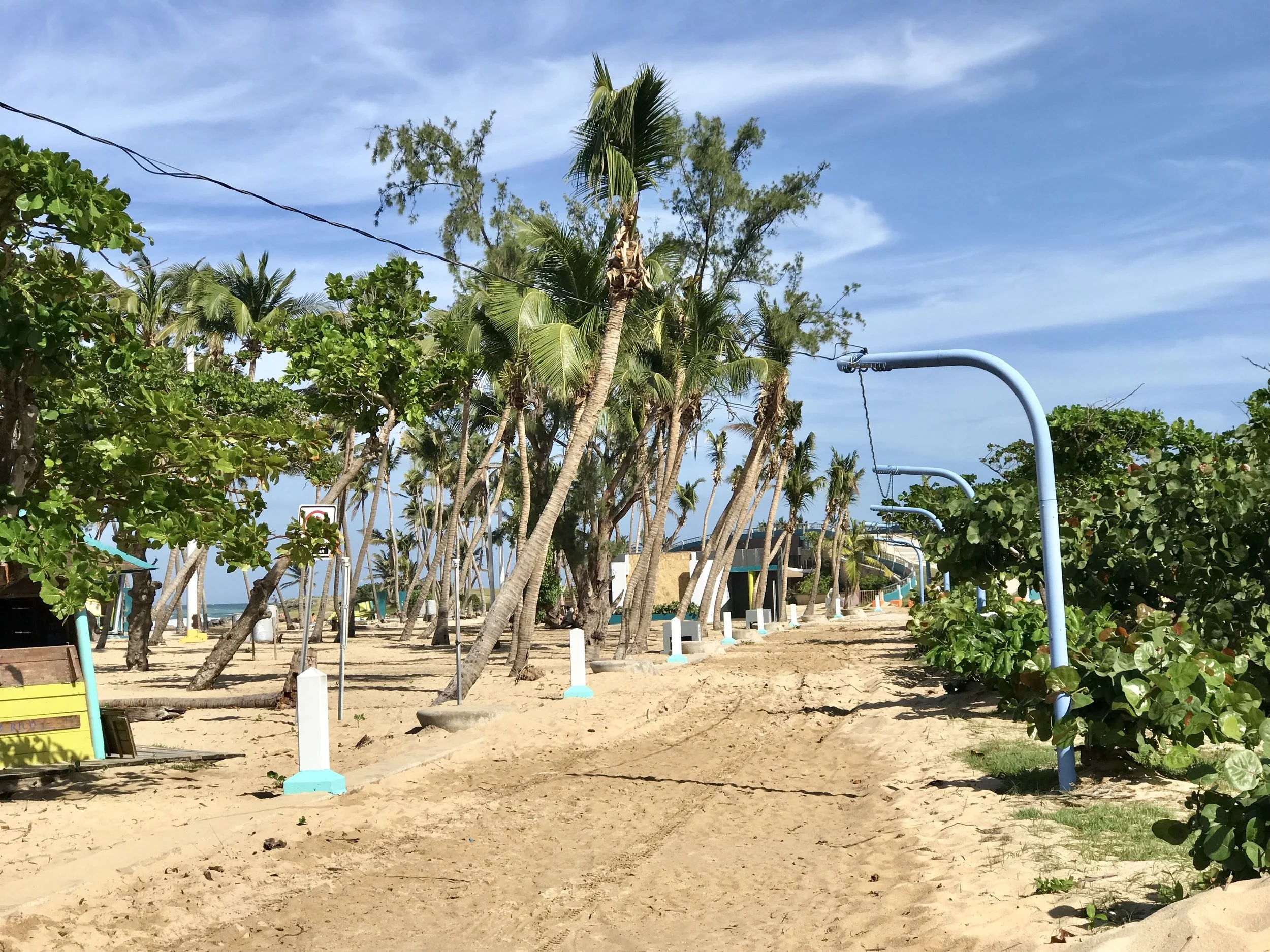
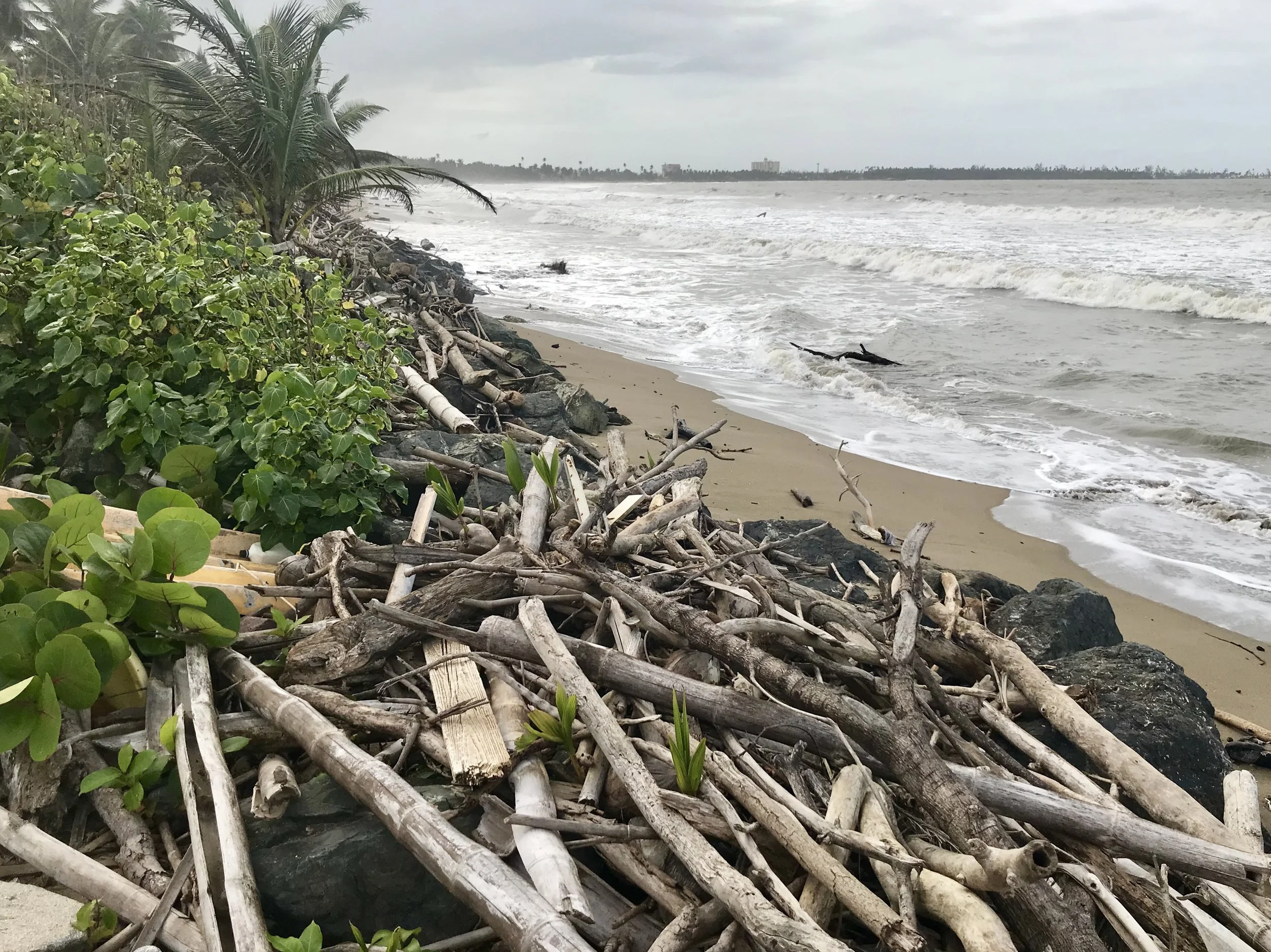
Debris on the beach.
Interestingly, only a few areas have maintained stable housing prices since 2008. The rest have lost value steadily over the past decade as the debt has spiraled. It appears to me that if anyone is looking for real estate in the Caribbean and they aren't worried about climate change impacts, this is a good place to buy. As a New Yorker, I'm very impressed by the prices, the gorgeous beaches (even post Hurricane) and the general joi de vie of the Puerto Rican people. Interestingly, the oldest part of San Juan weathered the Hurricane quite well - apparently the Spanish knew how to build buildings that would last.
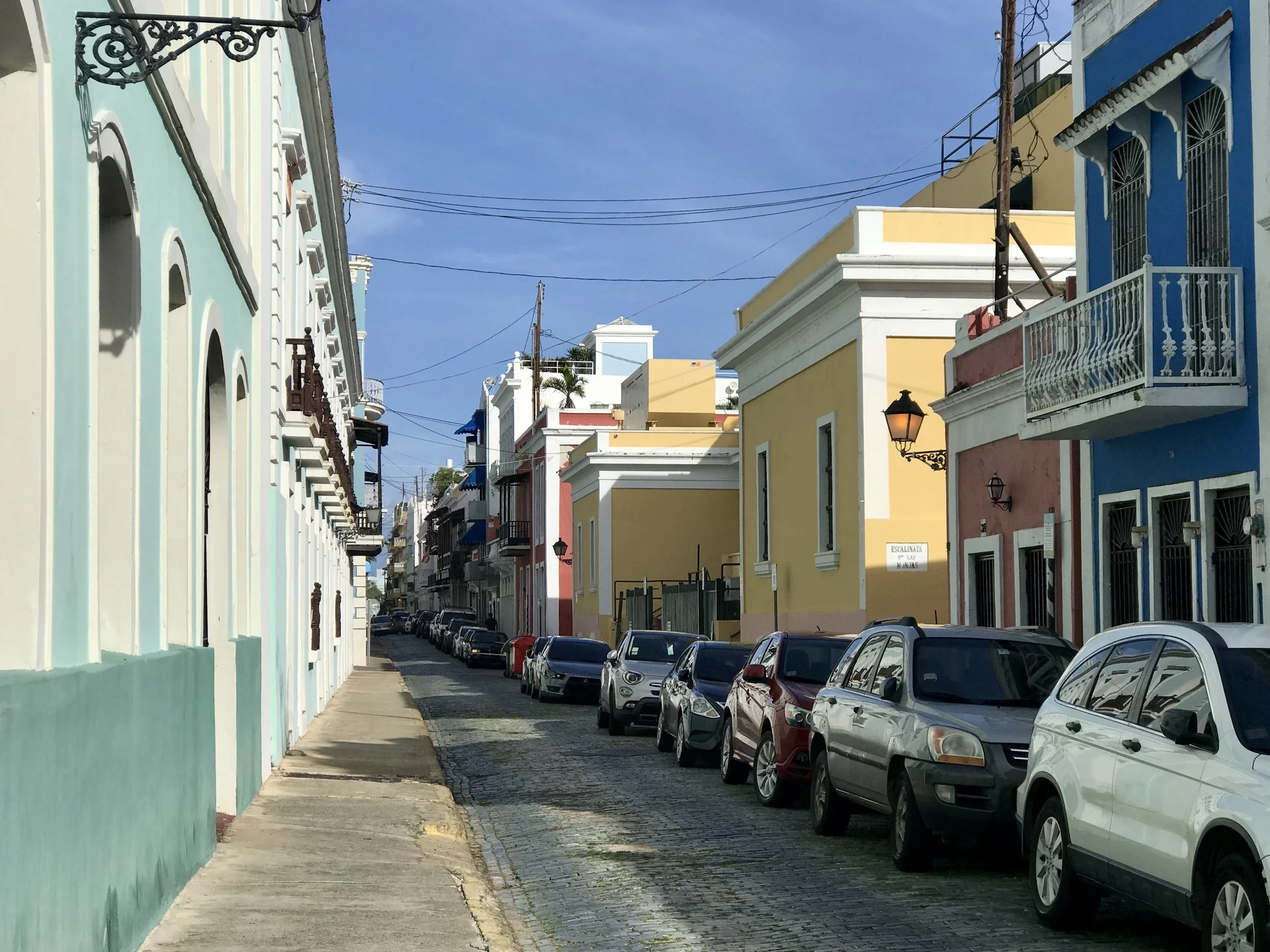
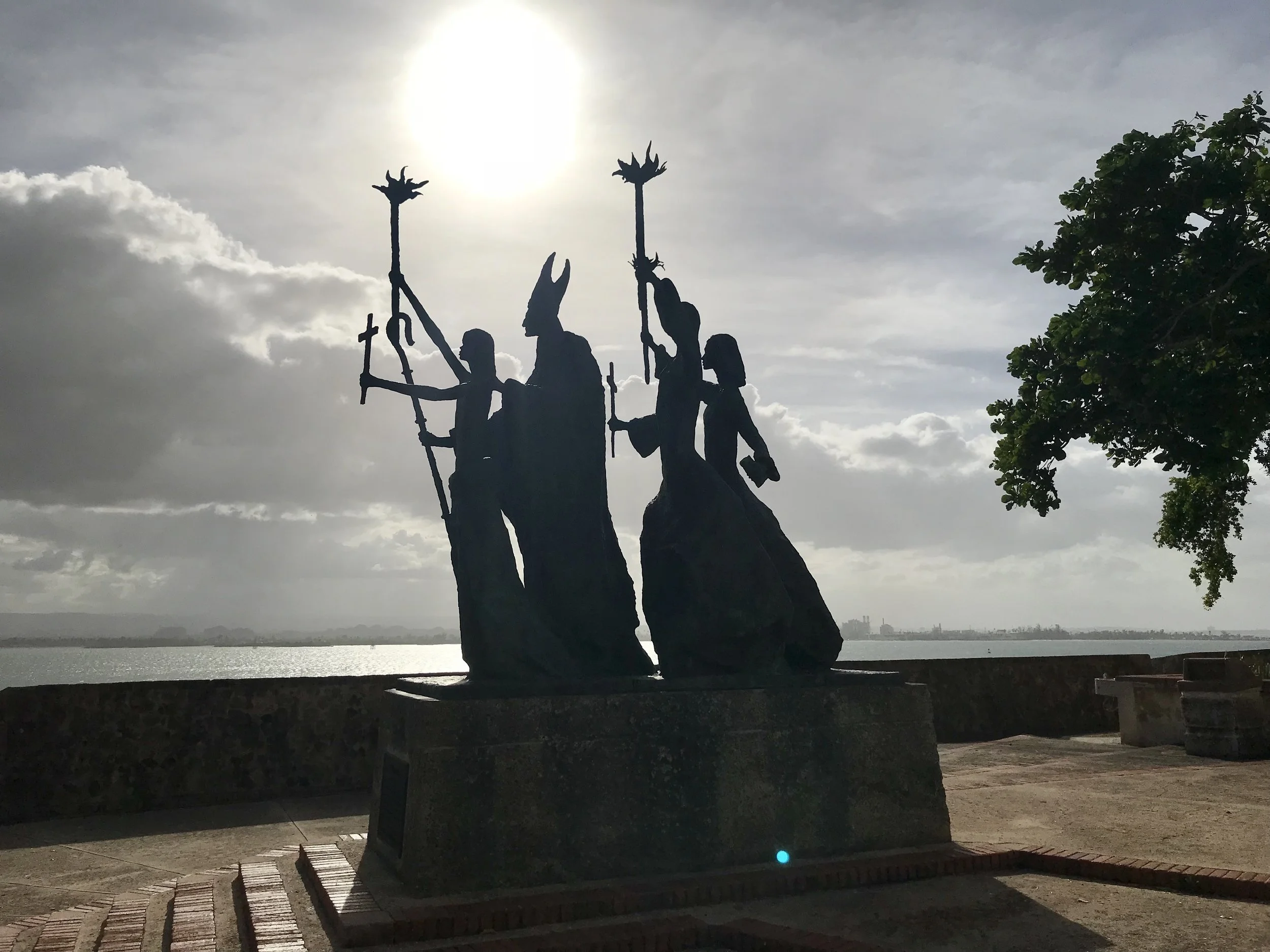
One aspect of hope is our capacity to endure difficulties, regardless of how challenging they become. I can say with great respect that the Puerto Rican people possess this kind of hope. They are a remarkably cheerful and personally resourceful people, in spite of having experienced great hardship. It may be true that more people died in the aftermath of Maria than Katrina (see Hurricane Maria’s Aftermath in Puerto Rico ), but that fact is not evident in bustling San Juan.
"Anybody who works on the climate crisis has to deal with an internal struggle between hope and despair." -Al Gore